bin

Stream in the Orinoco River Basin, Venezuela

Sponsored by

Venezuela, Bolivarian Republic of, Amazonas, Atures

The Orinoco River basin, located in Venezuela and Colombia, is one of the most significant river systems in South America. It spans approximately 2.140km and drains an area of over 880.000km². The basin’s diverse ecosystems range from flooded forests and savannas to wetlands and clear water streams, supporting an incredible array of flora and fauna.

The Orinoco River has been a vital lifeline for indigenous communities for centuries, providing sustenance, transportation, and a means of trade. Early European explorers, such as Christopher Columbus and Alexander von Humboldt, documented their encounters with the river, contributing to Western knowledge of South America’s rich biodiversity.

Ecologically, the Orinoco River basin is renowned for its biodiversity. It is home to over 1.000 fish species, many of which are endemic.

Submitted by
Shivansh Rajpoot
Approved by
Roberto E. Reis & Pablo C. Lehmann
GPS
3.4225750, -65.7232285
Geographical region
South America
Drainage Basin
Orinoco
River catchment
Upper Orinoco
Water body type
Stream
Water body name
Nameless
Water body part
Channel
Water body course
Headwaters
Water body: tributary of
Channel
Tributary name
Rio Atabapo

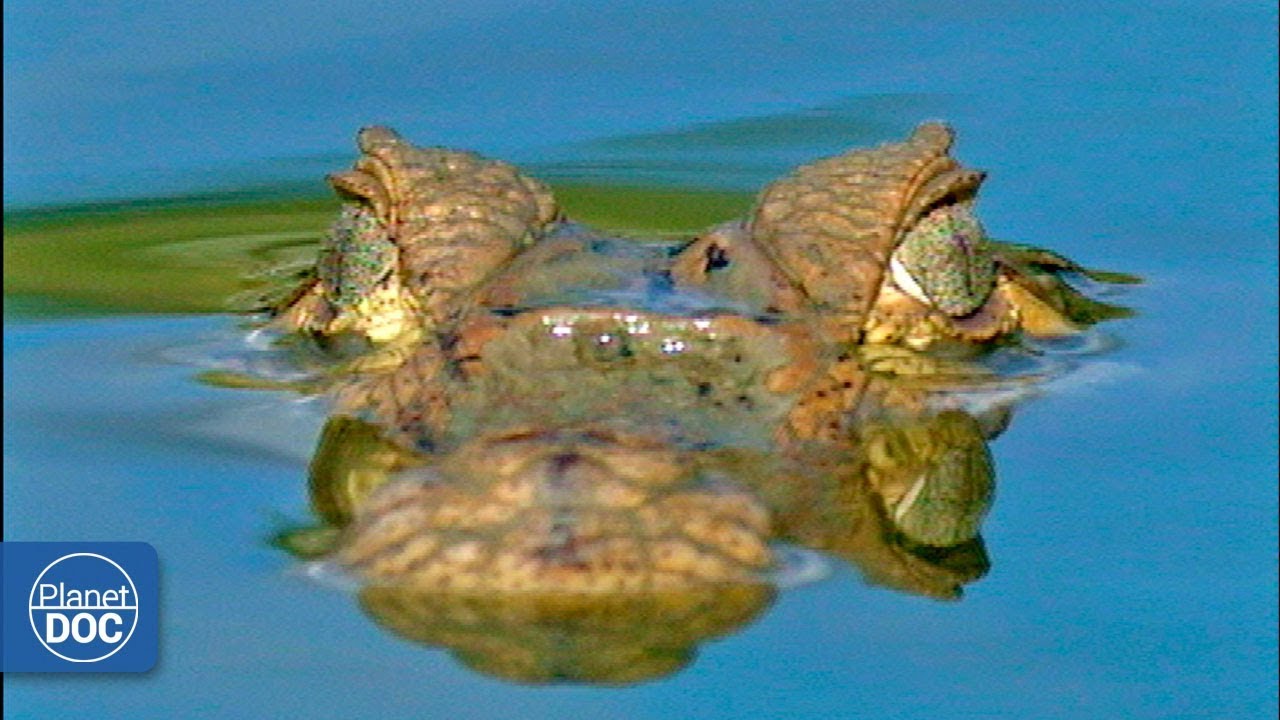
Videos above and below water

Warning: Undefined variable $fish_parent in /home/biotopea/public_html/wp-content/themes/bap/content-bin.php on line 55

Warning: Undefined array key "additional_species" in /home/biotopea/public_html/wp-content/themes/bap/functions/bap-fields.php on line 349

Water Chemistry

Water information

Water type
fresh-water
Water color
Black water
Water transparency
Low
Concentration of sediments
Medium
Water temperature
24 °C
Water flow/curent
Slow

Chemical parameters

pH
5.5
Conductivity
145
GH
71.44 mg/l
dGH
KH
4.758 mg/l
dKH
Dissolved Oxygen
80 %

Substrate in nature

Sand
Beige
Pebble/Gravel
Mixed
Stone
Brown
Stone form
Irregular
Silt/Mud
Brown
Leaves
Adundant
Driftwood
Many
Submerged terrestrial vegetation
Yes

Aquatic Biotope

Date of collecting
15 May, 2024
Collecting area
River bank
Water depth
1,0m
Air temperature
28 °C
Sunlight
Partial shade

Environment

Environment
Affected by human activity
Deforestation
Deforestation
Advanced
Surrounding area

The Orinoco River basin features a range of geographical features, from the expansive llanos floodplains to the rugged Guyana highlands.

The climate is predominantly tropical, with high temperatures year-round and a distinct wet and dry season. Rainfall is abundant, contributing to the creation of extensive floodplain areas that become inundated during the rainy season. The high humidity and warmth of the region support lush vegetation and a rich array of wildlife.

Terrestrial vegetation:

  • Cecropia peltata (Urticaceae)
  • Mauritia flexuosa (Arecaceae)
Underwater landscape

The underwater landscape of the Orinoco River basin is characterized by its dynamic and diverse aquatic environments. The river and its tributaries flow through a range of habitats, from swift, clear water streams to slow-moving, nutrient-rich floodplain waters.

Riverbed and Ssubstrate: the riverbed of the Orinoco River typically consists of a mix of fine sands, silts, and occasional rocky outcrops. In the floodplain areas, the substrate can be more variable, including soft, muddy sediments that are rich in organic material. The variability in substrate types supports different kinds of aquatic life and contributes to the overall complexity of the ecosystem.

Aquatic vegetation: underwater vegetation plays a crucial role in the Orinoco River basin’s ecosystem. In the clear-water areas, aquatic plants like Echinodorus spp. and submerged grasses provide cover and breeding grounds for fish and other aquatic organisms. In floodplain areas, floating plants such as water lilies and emergent vegetation like the Mauritia flexuosa palm contribute to the structural complexity of the habitat. This vegetation supports a wide range of fish species and contributes to the oxygenation and nutrient cycling within the aquatic system.

Fauna: The aquatic fauna of the Orinoco River Basin is equally diverse. Fish species such as the Apistogramma pandurini, various tetras, and Corydoradinae catfish are adapted to the different conditions found within the river and its tributaries. The underwater environment provides essential resources for these species, including food, shelter, and breeding sites. The presence of a diverse range of fish species, along with other aquatic organisms such as invertebrates and amphibians, highlights the richness of the aquatic landscape.

Fishlist:

  • Apistogramma pandurini (Cichlidae)
  • Paracheirodon axelrodi (Characidae)
  • Hemigrammus rhodostomus (Characidae)
  • Paracheirodon innesi (Characidae)
  • Osteogaster schultzei (Callichthyidae)
  • Hoplisoma albolineatum (Callichthyidae)
  • Hemigrammus ocellifer (Characidae)
  • Hemigrammus pulcher (Characidae)

Aquatic plants:

  • Eleocharis vivipara (Cyperaceae)
  • Echinodorus grisebachii ‘Amazonicus’ (Alismataceae)
Threats to ecology

The Orinoco River basin faces several ecological threats that impact its biodiversity and the health of its ecosystems. These threats arise from both natural and human-induced factors and pose significant challenges to conservation efforts in the region.

Deforestation and habitat loss: one of the primary threats to the Orinoco River Basin is deforestation, driven by logging, agriculture, and urban expansion. The removal of tropical rainforest not only reduces habitat for countless species but also disrupts the water cycle and increases soil erosion. The loss of forested areas impacts the aquatic systems by reducing the amount of organic material entering the rivers and altering water temperatures and flow patterns.

Climate change: climate change poses a significant threat to the Orinoco River Basin’s ecosystems. Rising temperatures and altered precipitation patterns can affect the hydrology of the river system, leading to changes in water levels and flow rates. These changes can disrupt the seasonal flooding of the floodplains, which is critical for many species’ breeding and feeding. Additionally, increased temperatures can lead to changes in water chemistry and stress aquatic organisms.

Pollution: pollution from agricultural runoff, industrial activities, and urban development poses a serious threat to the water quality in the Orinoco River Basin. The introduction of chemicals such as pesticides and heavy metals can harm aquatic life and disrupt the balance of the ecosystem. Eutrophication from nutrient runoff can lead to excessive algal growth, which depletes oxygen levels and negatively impacts fish and other aquatic organisms.

Overfishing and habitat degradation: overfishing is another major concern, as it can lead to declines in fish populations and disrupt the balance of the aquatic ecosystem. The use of destructive fishing practices, such as using fine mesh nets, can damage aquatic habitats and lead to the loss of biodiversity. Habitat degradation from mining activities and infrastructure development also impacts the health of the river and its floodplains.

Invasive species: the introduction of non-native species poses a threat to the native biodiversity of the Orinoco River Basin. Invasive species can outcompete native plants and animals for resources, leading to changes in the ecosystem structure and function. Efforts to manage and control invasive species are crucial to preserving the ecological integrity of the region.

Riparian zone

Trees near the aquatic habitat
Many -

Comment by the expert

Roberto E. Reis: Good description of environment. A variety of threats well described. A fair number of fishes and a few plants listed for the aquatic habitat. Aquatic habitat fairly well described. A good amount of literature and websites listed.

Pablo C. Lehmann: The information and resources of the natural biotope are quite complete. It could have focused more on the aquatic environment, including more information on the fish.