Zambia, Northern province
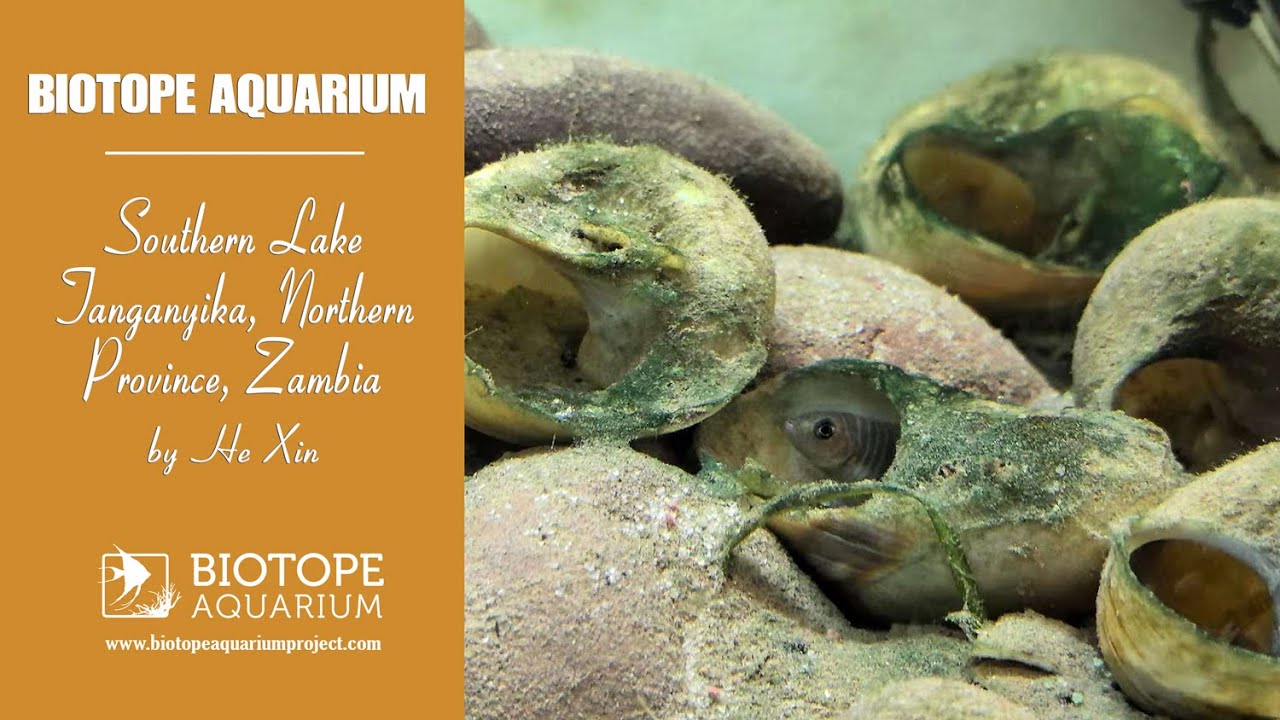
Observed the Natural Habitat of Neolamprologus similis (Zebra Shell Dwellers) – sandy substrate areas, shell bed accumulation zones, and transitional shallow zones with sand and gravel. As a small cichlid species endemic to Lake Tanganyika, the Zebra Shell Dweller prefers sandy bottoms and clustered shells. They live in colonies, cooperate to move shells, sift sand to build nests, with males defending territory and both sexes caring for their young. Therefore, I aim to faithfully replicate their ecological needs and behavior patterns, reflecting the core principle of BIOTOPE: “True to Nature.”
Aquarium setup
- Tank Volume: 45L
- Filtration System: Sunsun XP400 waterfall filter, 300L/h flow rate, equipped with 70g of media for chemical and biological filtration.
- Heater: Yee brand, 25W, ensuring stable water temperature.
- Lighting: Philips 6000K RGB LED tube, offering a spectrum of lighting to enhance the aquarium’s visual appeal.
Setup materials
- Sand: Ultra-fine river basin sand to simulate the lakebed environment of Lake Tanganyika.
- Limestone: Used as a base layer to provide essential minerals and trace elements.
- Shells: Bluebird snail shells form shell clusters, offering hiding and breeding spaces for the fish.
- Background: Blue vinyl background to enhance the sense of depth in the aquarium.
Water quality management
- Water change frequency: 35% water change monthly. Tanganyika mineral salts and buffering solution are added to maintain pH, GH, and KH levels.
- Water treatment: Tap water is treated with dechlorinator tablets to remove chlorine, chloramine, and ammonia, ensuring safe water quality.
- Temperature control: Great care is taken to match the temperature of new water to the tank water to avoid stressing the fish due to temperature fluctuations.
Fish keeping
- Species: One species, total of 8 individuals (6 females, 2 males).
- Feeding: Fed once daily, primarily with freshly hatched baby brine shrimp.
- Lighting Duration: Lights on for 8 hours daily to promote algae growth on shells, providing a natural food source for the fish.
Conclusion
Through meticulous aquascaping and water management, I have nearly recreated a habitat close to the natural environment of the Zebra Shell Dweller. This aquarium is not only visually appealing but also provides a healthy and comfortable living space for the fish. By observing their behavior and development, I can better understand their needs and continue to optimize the aquarium environment.
- GPS
- -8.7747231, 29.1114254
- Geographical region
- Eastern Africa
- Drainage Basin
- River catchment
- Ruzizi river
- Water body type
- Tectonic Lake
- Water body name
- Lake Tanganyika
- Water body part
- Open water
- Water body course
- Water body: tributary of
- Tributary name
Videos above and below water