bam Demanding level

Li River tributary, Guilin, Guangxi, China

Sponsored by

China, Guangxi Zhuang Autonomous Region, Guilin

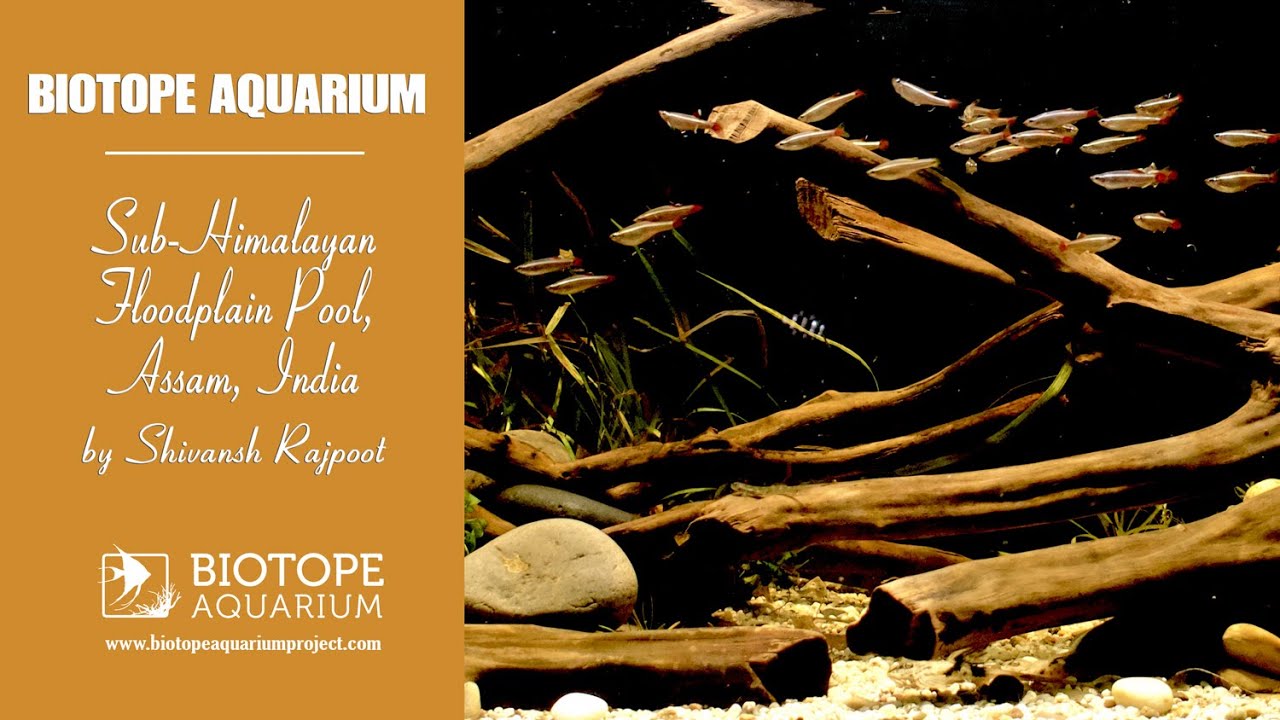
This aquarium replicates a shallow, fast-flowing tributary of the Li River in Guangxi, Southern China. The layout uses smooth grey stones, white sand, and driftwood to mirror the natural substrate.

A strong flow is maintained via surface skimmer and powerhead to mimic rapids, benefiting hillstream loaches like Sewellia lineolata. Tanichthys albonubes swim mid-water in schooling formations. Aquatic mosses and sparse rooted Vallisneria offer a natural feel without overwhelming the flow dynamics. The design reflects the contrast between structural simplicity and ecological richness of cool, clear Chinese mountain streams.

Submitted by
Shivansh Rajpoot
Approved by
Sun Kai & Zhou Hang
GPS
25.8920002, 110.2970963
Geographical region
Eastern Asia
Drainage Basin
Pearl River Basin
River catchment
Li River
Water body type
Stream
Water body name
Unnamed forest stream near Longsheng
Water body part
Rapids
Water body course
Headwaters
Water body: tributary of
River
Tributary name
Li River

Videos above and below water


Warning: Undefined variable $fish_parent in /home/biotopea/public_html/wp-content/themes/bap/content-bam.php on line 85

Warning: Undefined array key "additional_species" in /home/biotopea/public_html/wp-content/themes/bap/functions/bap-fields.php on line 349

Water Chemistry

Water information

Water type
fresh-water
Water color
Clear water
Water transparency
High
Concentration of sediments
Low
Water temperature
24 °C
Water flow/curent
Very strong

Chemical parameters

pH
6.5
Conductivity
100
GH
125 mg/l
dGH
KH
36 mg/l
dKH
Dissolved Oxygen
90 %

Aquarium information

Aquarium description

Set-up date
02/04/2024
Aquarium decoration

Stones in natural grey tones, resembling those found in South China’s mountain streams, were arranged to create a realistic substrate. These were combined with natural river sand sourced from an aquarium supplier.

Several branches and roots, personally collected and carefully treated, were positioned to mimic the driftwood and bank debris typically seen in such habitats.

To recreate the natural silty appearance of aged streambeds, a small amount of sieved, pre-washed garden soil was gently layered over the sand and allowed to settle naturally over time.

A matte black background was combined with a blue light-diffusing mat placed 1cm behind the tank glass, with roots and dried grasses placed between to create an optical “deep shadow” effect that mimics streambank vegetation viewed through water.

All hardscape elements were disinfected to ensure fish safety.

Aquarium equipment

Filtration:

  • Eheim Classic 600 – reliable canister filter (1000 L/h) for fine biological filtration
  • Fluval FX6 – high-capacity external filter (3500 L/h) for rapid mechanical and bio media turnover, suitable for large biotope volumes

Circulation:

  • Sobo WP-400M Wave Maker – installed to simulate the directional water flow typical of mountain streams, crucial for Sewellia lineolata and maintaining high dissolved oxygen

Lighting:

  • Warm white focus spotlights (non-RGB) mounted externally, used to mimic natural dappled sunlight seen in shallow, forest-shaded streams
  • No CO₂ system or artificial plant lighting is used, aligning with the low-light conditions of the native biotope

Aeration:

  • Flow and turbulence are fully managed through filter returns and the wave maker; no surface skimmer or additional air pumps are used
Fish care

The setup closely mimics a cool, fast-moving mountain stream where Tanichthys albonubes and Sewellia lineolata naturally occur. Hiding spaces between stones and roots offer shelter and feeding zones.

Water level remains below50 cm to simulate shallow flow zones.

Temperature is kept between 23-24.5 °C.

Fish are fed twice daily with a rotation of high-quality micro pellets, frozen bloodworms, and live baby brine shrimp.

Water is tested during changes to maintain optimal pH (~6.5), KH (~2), GH (~7), and TDS (~70 ppm).

The flow rate is balanced to prevent exhaustion while simulating natural current.

Fish list:

  • Tanichthys albonubes (Cyprinidae)
  • Sewellia lineolata (Gastromyzontidae)

Mollusc list:

  • Neritina sp. (Neritidae)
Plant care

Hardy aquatic plants like Vallisneria spiralis are rooted sparsely across the tank. These are selected for their tolerance to flow and low lighting. Aquatic mosses occasionally grow on wood and stone. No CO₂ injection or fertilizers are used. Plants are misted with RO-water, and trimmings are performed monthly to manage growth and maintain visibility of the hardscape.

Aquatic plant:

  • Vallisneria spiralis (Hydrocharitaceae)

Aquatic moss:

  • Taxiphyllum barbieri (Hypnaceae)
Water care

Water is changed every 2 days (~20%). RO water is remineralized to biotope standards before use. After each change, a trusted bacterial culture is dosed. Filter media is rinsed gently in tank water every 5-6 months to maintain beneficial colonies. Water movement from both filters and the wave maker ensures consistent oxygenation, and accumulated debris is removed manually using spot siphoning.

Dimensions

Length
120 cm
Depth
45 cm
High
38 cm
Volume
230 L

Substrate in aquarium

Sand
White
Pebble/Gravel
Grey
Stone
Grey
Stone form
Roundish
Silt/Mud
Beige
Leaves
Few
Driftwood
Many
Submerged terrestrial vegetation
None