bin
Flooded fields, Thailand
Thailand
The Thailand Flooded Fields biotope, which includes agricultural rice paddies, floodplains, and shallow seasonal marshes, represents one of Southeast Asia’s most dynamic freshwater environments. Shaped by the annual monsoon cycle, these shallow, slow-moving waters create highly productive habitats characterized by abundant vegetation, fluctuating water levels, and rich organic matter accumulation. These ecosystems are particularly valued by aquarium enthusiasts for their unique ecological characteristics and biodiversity.
- Submitted by
- Mainak Sen Gupta
- Approved by
- Heok Hee Ng & Greg Martin
- Geographical region
- Southeastern Asia
- Drainage Basin
- River catchment
- Water body type
- Wetland
- Water body name
- Flooded fields
- Water body part
- Flood plain
- Water body course
- Headwaters
- Water body: tributary of
- Tributary name
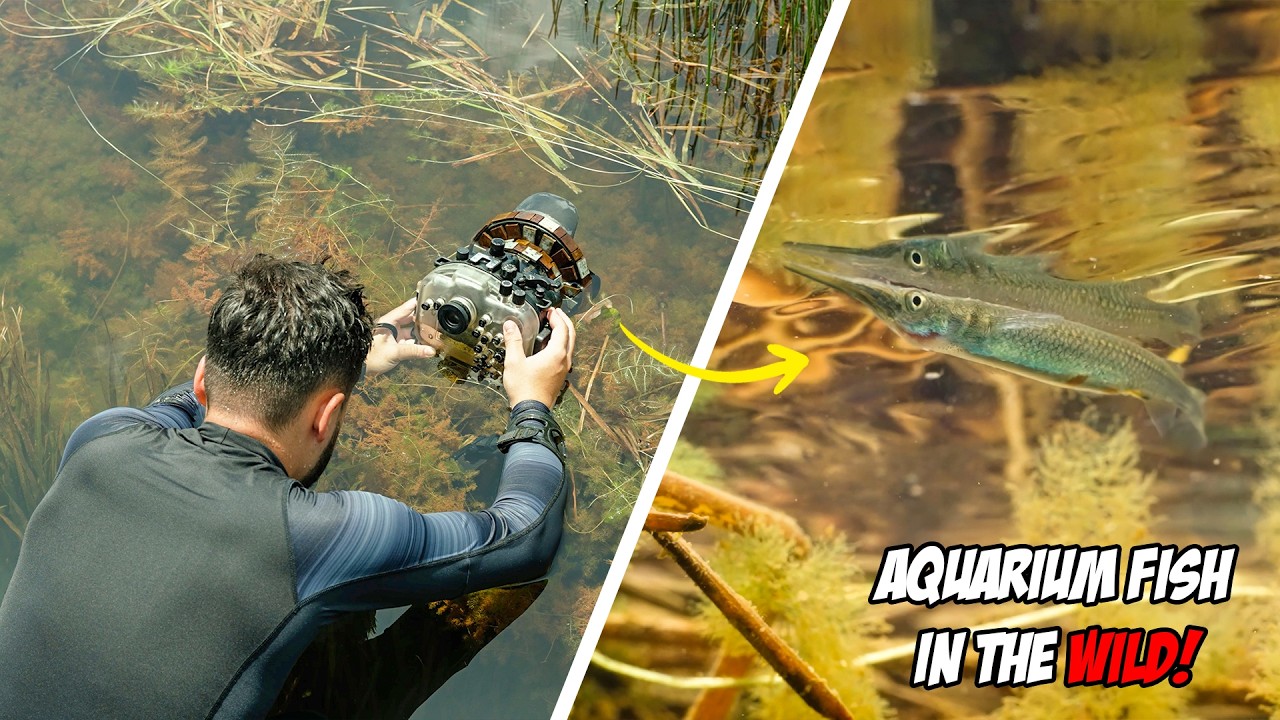
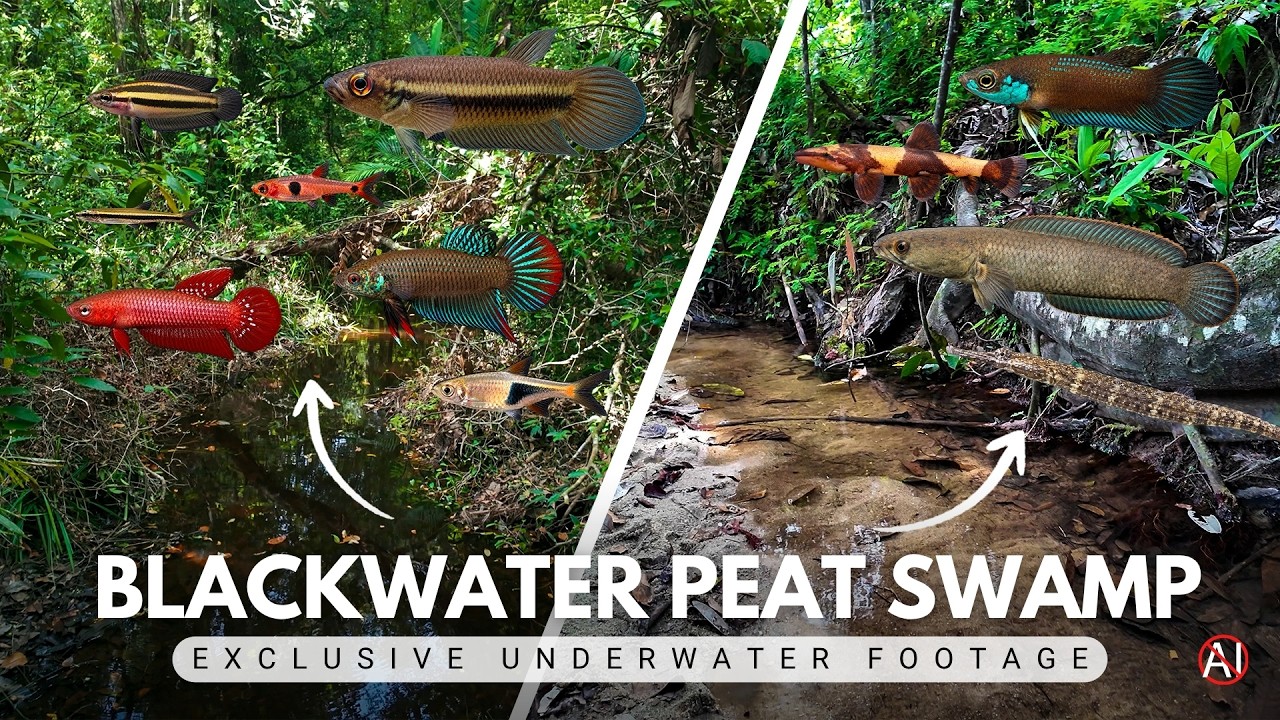
Videos above and below water
Warning: Undefined variable $fish_parent in /home/biotopea/public_html/wp-content/themes/bap/content-bin.php on line 55
Water Chemistry
Water information
- Water type
- Freshwater
- Water color
- Black water
- Water transparency
- Medium
- Concentration of sediments
- High
- Water temperature
- °C
- Water flow/curent
- Slow
Chemical parameters
- pH
- 6
- Conductivity
- GH
- dGH
- KH
- dKH
- Dissolved Oxygen
Substrate in nature
- Sand
- Grey
- Pebble/Gravel
- Mixed
- Stone
- Brown
- Stone form
- Irregular
- Silt/Mud
- Brown
- Leaves
- Adundant
- Driftwood
- Few
- Submerged terrestrial vegetation
- Yes
Aquatic Biotope
- Date of collecting
- Collecting area
- Water depth
- Air temperature
- 24 °C
- Sunlight
Environment
- Environment
- Affected by human activity
- Affected by human activity
- Agriculture
- Agriculture
- Advanced
- Surrounding area
Thailand’s flooded fields, characteristic of Southeast Asian freshwater landscapes, are surrounded by extensive rice paddies, seasonal wetlands, and scattered patches of tropical vegetation. These waterlogged habitats support a rich diversity of aquatic plants, fish, amphibians, insects, and wading birds.
During the monsoon season, the flooded plains become highly productive ecosystems, providing feeding areas, shelter, and breeding grounds for numerous species while continuing to support traditional agricultural practices.
Fish:
- Betta imbellis (Osphronemidae)
- Maculatus (family to be confirmed)
- Urophthalmoides (family to be confirmed)
Aquatic plants:
- Ceratophyllum demersum (Ceratophyllaceae)
- Pistia stratiotes (Araceae)
- Lemna minor (Araceae)
Wetland plants:
- Hydrocotyle verticillata (Araliaceae)
- Stenochlaena palustris (Blechnaceae)
- Nephrolepis exaltata (Nephrolepidaceae)
- Underwater landscape
The underwater landscape of Thailand’s flooded fields in the Southeast Asian biotope consists of shallow, slow-moving waters covering fertile soils, submerged grasses, rice stalks, and scattered aquatic vegetation. Fallen leaves, branches, and soft muddy substrates create a complex microhabitat that supports fish, shrimp, snails, and a wide variety of microorganisms.
Seasonal flooding transforms these agricultural landscapes into dynamic aquatic ecosystems, increasing nutrient availability and creating temporary habitats rich in biodiversity.
- Threats to ecology
Thailand’s flooded field ecosystems face increasing ecological threats from agricultural intensification, pesticide and fertilizer runoff, habitat conversion, and changes in water management practices. These pressures can degrade water quality, reduce aquatic biodiversity, and disrupt the natural seasonal flooding cycles on which many species depend for feeding, shelter, and reproduction.
Climate change, including altered rainfall patterns and prolonged drought periods, further threatens the stability and ecological productivity of these unique wetland habitats.