bin
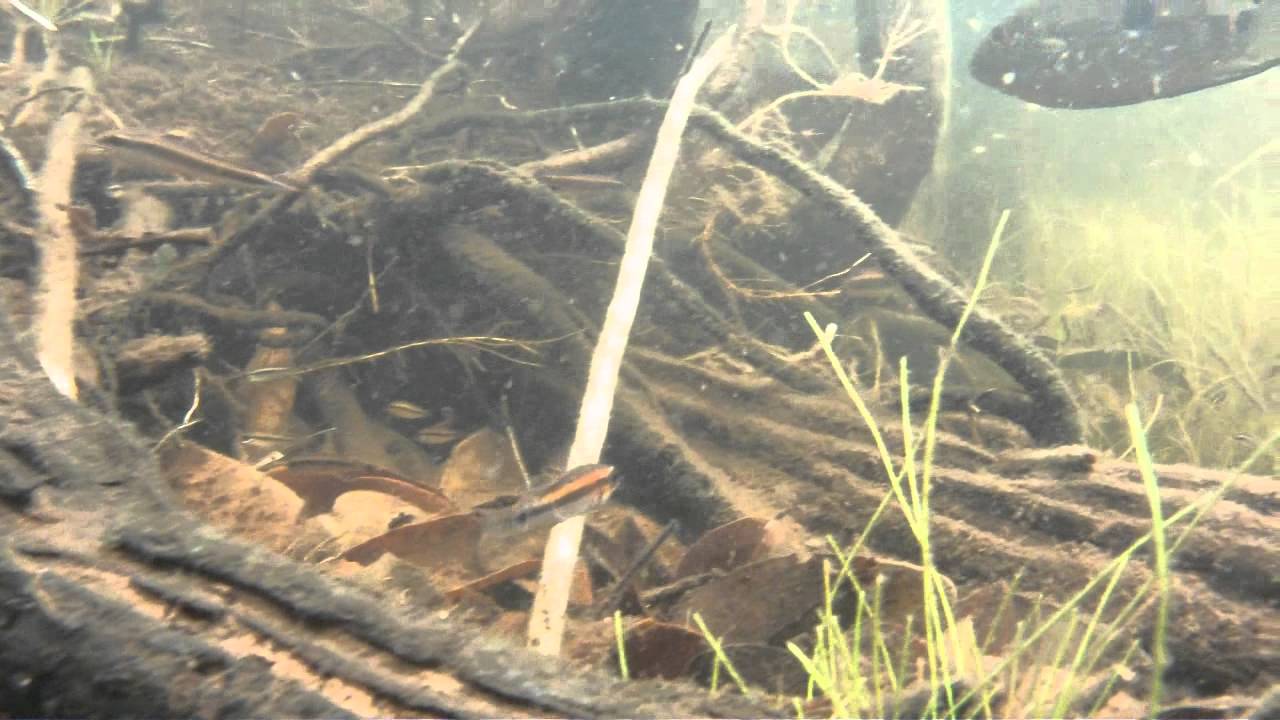
Flooded Forest, Lower Rio Negro, Manaus, Brazil
Brazil, Amazon
The Rio Negro and the surrounding Amazon rainforest are popular destinations for ecotourism and adventure tourism. Visitors come to explore the diverse flora and fauna, engage in wildlife watching, and experience the unique culture of the indigenous communities.
The Rio Negro supports a diverse range of fish species, making it an important fishing ground for local communities. Fishing is a vital source of livelihood and food for many people living along the river.
- Submitted by
- Gökhan Kiyici
- Geographical region
- South America
- Drainage Basin
- Amazon basin
- River catchment
- Rio Negro
- Water body type
- River
- Water body name
- Rio Negro
- Water body part
- Marsh land
- Water body course
- Upper course
- Water body: tributary of
- Tributary name
Videos above and below water
Warning: Undefined variable $fish_parent in /home/biotopea/public_html/wp-content/themes/bap/content-bin.php on line 55
Water Chemistry
Water information
- Water type
- fresh-water
- Water color
- Black water
- Water transparency
- Low
- Concentration of sediments
- Low
- Water temperature
- 26-29.5 °C
- Water flow/curent
- Slow
Chemical parameters
- pH
- 3.7
- Conductivity
- 6
- GH
- dGH
- KH
- dKH
- Dissolved Oxygen
- 38 %
Substrate in nature
- Sand
- Beige
- Pebble/Gravel
- Mixed
- Stone
- Brown
- Stone form
- Roundish
- Silt/Mud
- Brown
- Leaves
- Many
- Driftwood
- Many
- Submerged terrestrial vegetation
- Yes
Aquatic Biotope
- Date of collecting
- 2019
- Collecting area
- Flooded area
- Water depth
- 1,0m
- Air temperature
- 22 °C
- Sunlight
- Partial shade
Environment
- Surrounding area
The surrounding area of the upper Rio Negro is characterised by the vast and biodiverse Amazon rainforest, which forms a magnificent backdrop to the river. Characteristics of the surrounding area:
- Amazon Rainforest: The upper Rio Negro is located within the Amazon rainforest, often referred to as the “lungs of the Earth.” It is the largest tropical rainforest in the world, spanning several countries in South America. The Amazon rainforest is renowned for its incredible biodiversity, with a vast array of plant and animal species.
- Diverse Ecosystems: The area surrounding the upper Rio Negro is home to a wide range of ecosystems, including dense rainforests, floodplains, swamps, lakes, and savannas. Each ecosystem supports unique flora and fauna, adapted to specific environmental conditions.
- Flora: The upper Rio Negro region is characterized by towering trees that form a dense canopy in the rainforest. These include a variety of tree species, such as Brazil nut, mahogany, rubber trees, and countless others. Vines, epiphytes (plants that grow on other plants), and bromeliads also thrive in the diverse vegetation.
- Fauna: The upper Rio Negro supports an extraordinary variety of wildlife. It is home to iconic species such as jaguars, giant river otters, capybaras, tapirs, monkeys, and a remarkable diversity of bird species. The river itself is teeming with fish, including various species of catfish, piranhas, and the famous arapaima.
- Indigenous Communities: The surrounding area is inhabited by indigenous communities, including the Tukano, Baniwa, and Yanomami peoples, among others. These communities have a deep connection to the land and the river, relying on its resources for their livelihoods and cultural practices.
- Protected Areas: The upper Rio Negro region contains several protected areas and indigenous territories aimed at preserving the exceptional biodiversity and cultural heritage of the area. These include national parks, reserves, and indigenous lands, providing crucial protection for the ecosystems and supporting sustainable resource management.
- Cultural Significance: The area surrounding the upper Rio Negro holds great cultural significance. Indigenous traditions and practices are woven into the fabric of the region, with rituals, art, music, and traditional knowledge passed down through generations. Visitors to the area may have the opportunity to engage with and learn from indigenous communities, gaining insights into their way of life and deep connection to the natural environment.
- Underwater landscape
The underwater landscape of the upper Rio Negro is a fascinating and diverse environment, characterized by unique features and rich biodiversity.
- River channels: The main channels of the upper Rio Negro form the primary pathways for water flow. They can vary in width and depth, with some sections featuring narrow passages while others widen into expansive stretches. The river channels often have sandy or muddy bottoms, depending on the sediment load and water flow.
- Rocky outcrops and boulders: In certain areas, rocky outcrops and boulders can be found on the riverbed. These provide habitats for various species, including fish and invertebrates. They create sheltered areas, crevices, and hiding spots, supporting a diverse array of aquatic life.
- Submerged vegetation: Along the riverbanks and in shallower areas, submerged vegetation, such as aquatic plants and grasses, can be present. These plants provide essential habitat, breeding grounds, and food sources for fish and other aquatic organisms. They also contribute to the overall ecological balance of the underwater ecosystem.
- Sandbars and gravel Beds: Sandbars and gravel beds are common features in the upper Rio Negro. These areas, characterized by their sandy or gravelly substrates, provide breeding grounds and foraging areas for certain fish species. They may also serve as spawning sites for some aquatic animals.
- Underwater forests: The upper Rio Negro is known for its submerged forests, where tree trunks and branches remain submerged due to the fluctuating water levels. These underwater forests create complex habitats, providing shelter and feeding areas for a variety of fish, invertebrates, and other aquatic organisms.
- River islands and oxbow lakes: The upper Rio Negro is dotted with river islands and oxbow lakes, which are created when the river changes its course over time. These islands and lakes contribute to the underwater landscape, hosting diverse aquatic life and often having distinct characteristics such as slower water flow or different sedimentation patterns.
- Fish aggregations: The upper Rio Negro is home to numerous fish species that form aggregations or schools. These gatherings can be observed in certain sections of the river, creating stunning visual displays as fish move together in synchronized patterns.
Aquatic mammals:
- Inia geoffrensis (Iniidae)
Fishes:
- Rhadinoloricaria sp. (Loricariidae)
- Arapaima gigas (Arapaimidae)
- Colossoma macropomum (Serrasalmidae)
- Pygocentrus nattereri (Serrasalmidae)
- Symphysodon sp. (Cichlidae)
- Paracheirodon axelrodi (Characidae)
- Corydoras sp. (Callichthyidae)
- Crenicichla sp. (Cichlidae)
- Dicrossus filamentosus (Cichlidae)
- Apistogramma sp. (Cichlidae)
Aquatic plants:
- Victoria amazonica (Nymphaeaceae)
- Hydrocharis laevigata (Hydrocharitaceae)
- Pontederia crassipes (Pontederiaceae)
- Elodea densa (Hydrocharitaceae)
- Ceratophyllum demersum (Ceratophyllaceae)
- Pistia stratiotes (Araceae)
- Cyperus sp. (Cyperaceae)
- Threats to ecology
The lower Rio Negro ecosystem faces several threats that can have significant impacts on its ecological integrity and the species that depend on it.
- Deforestation and habitat loss: Deforestation poses a significant threat to the upper Rio Negro’s ecology. The clearing of land for agriculture, logging, and infrastructure development leads to habitat loss, fragmenting forested areas and disrupting wildlife populations. This loss of habitat can result in the decline or displacement of many plant and animal species.
- Illegal logging and wildlife trade: Illegal logging practices contribute to the depletion of forest resources and disruption of ecosystems. This activity involves the extraction of valuable timber species, often carried out without sustainable management practices. Additionally, the illegal trade of wildlife, including rare and endangered species, can further harm the region’s biodiversity and ecological balance.
- Climate change: The upper Rio Negro is not immune to the effects of climate change. Rising temperatures, altered rainfall patterns, and increased frequency of extreme weather events can impact the region’s ecosystems and species. Changes in temperature and precipitation can disrupt plant and animal life cycles, affect species distribution, and compromise the resilience of the entire ecosystem.
- Mining and extractive activities: Mining operations, including gold mining, can have severe environmental consequences. These activities often result in deforestation, habitat destruction, water pollution, and the release of toxic substances such as mercury. Such impacts can harm aquatic ecosystems, contaminate water sources, and threaten the health of both wildlife and local communities.
- Pollution and Contamination: Pollution from agricultural runoff, industrial activities, and improper waste disposal can introduce harmful substances into the water, soil, and air. Pesticides, fertilizers, heavy metals, and other pollutants can negatively impact the health and survival of plants, animals, and microorganisms, disrupting the delicate ecological balance of the upper Rio Negro.
- Overfishing and unsustainable harvesting: Overfishing and unsustainable harvesting practices can deplete fish populations and disrupt the balance of aquatic ecosystems. When fish stocks are overexploited or captured using destructive methods, it can lead to declines in fish populations, affecting other species that depend on them and compromising the overall health of the ecosystem.
- Invasive species: Introduction of invasive species, whether intentional or accidental, can have detrimental effects on the native species and ecological processes of the upper Rio Negro. Invasive species can outcompete native species, disrupt food chains, and alter habitats, posing a significant threat to the region’s biodiversity and ecological balance.
Bibliography
-
2019 - Aquarienpflanzen
by Christel Kasselmann
ISBN 978-3-8186-0699-2
Comment by the expert
Roberto E. Reis: Description of the location reasonable, but description of surroundings Amazon-wide, not local. Description of threats likewise Amazon-wide, with no specific threats to the local biotope. No photos of the biotope except frames from a YouTube video. Ten fish and seven plant species listed. Description of the aquatic habitat, riparian zone, and underwater landscape too general. Bibliography/Sitography weak.
Flávio Lima: The participant has done a good job at searching for video sources, although they refer to habitats at the middle Rio Negro, and not near Manaus (there are some slight differences in aquatic habitats between both areas).
Pablo C. Lehmann: The information provided about the upper Rio Negro ecosystem is well structured, informative and reliable. It effectively conveys the ecological significance of the region, its rich biodiversity and visualises the urgent need to address its threats. This information serves as a valuable resource for understanding and raising awareness about the upper Rio Negro ecosystem.