bin
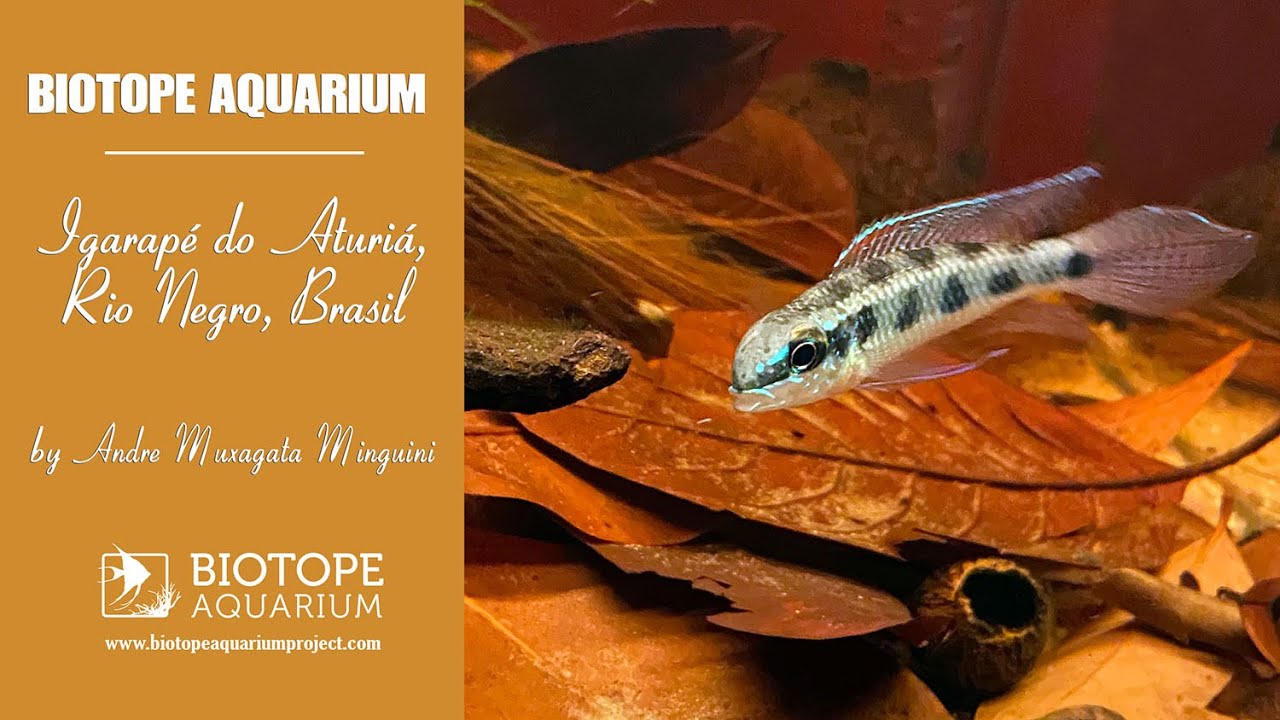
Igarapé do Aturiá, Rio Negro, Brasil
Brazil, Amazonas, Comunidade do Aturiá
The Igarapé do Aturiá is one of the many forest streams that feeds into the Rio Negro. As the rainy season advances and the Rio Negro level rises, this clear igarapé wides as it starts to get invaded by the incredibly dark and tannin rich water.
What used to be the forest floor gets covered by leaf litter and a myriad of botanicals, fallen trees and branches create slower current areas and where the fine white sand of the bottom of the igarapé is exposed to the sunlight lush carpets of Eleocharis sp. grow.
- Submitted by
- Andre Muxagata Minguini
- GPS
- -2.5730000, -60.3724670
- Geographical region
- South America
- Drainage Basin
- Amazon
- River catchment
- Rio Negro
- Water body type
- Igarapè
- Water body name
- do Aturiá
- Water body part
- River mouth
- Water body course
- Lower course
- Water body: tributary of
- Rio
- Tributary name
- Rio Negro
Videos above and below water
Warning: Undefined variable $fish_parent in /home/biotopea/public_html/wp-content/themes/bap/content-bin.php on line 55
Water Chemistry
Water information
- Water type
- fresh-water
- Water color
- Black water
- Water transparency
- Medium
- Concentration of sediments
- Medium
- Water temperature
- 27 °C
- Water flow/curent
- Slow
Chemical parameters
- pH
- 4.27
- Conductivity
- 23.6
- GH
- dGH
- KH
- dKH
- Dissolved Oxygen
- 78.4 %
Substrate in nature
- Sand
- White
- Pebble/Gravel
- None
- Stone
- None
- Stone form
- Silt/Mud
- Reddish
- Leaves
- Adundant
- Driftwood
- Many
- Submerged terrestrial vegetation
- Yes
Aquatic Biotope
- Date of collecting
- 24/01/23
- Collecting area
- Flooded area
- Water depth
- 1,0m
- Air temperature
- Sunlight
- Filtered/dappled sun
Environment
- Environment
- Untouched
- Surrounding area
Wetland plant:
- Eleocharis sp. (Cyperaceae)
- Underwater landscape
The Igarapé do Aturiá is one of the many forest streams that feeds into the Rio Negro. As the wet season advances and the Rio Negro level rises, this clear Igarapé wides as it starts to get invaded by the incredibly dark and tannin rich water. What used to be the forest floor gets covered by leaf litter and a myriad of botanicals, fallen trees and branches create slower current areas and where the fine white sand is exposed to the sunlight lush carpets of Eleocharis sp. grow.
Fish:
- Paracheirodon axelrodi (Characidae)
- Dicrossus maculatus (Cichlidae)
- Hemigrammus bellottii (Characidae)
- Aequidens pallidus (Cichlidae)
- Carnegiella strigata (Gasteropelecidae)
- Monocirrhus polyacanthus (Polycentridae)
Wetland plant:
- Eleocharis sp. (Cyperaceae)
- Threats to ecology
Riparian zone
- Trees near the aquatic habitat
-
Many -