bin
Jungmuncheon Stream, Jeju-do, South Korea
South Korea, Self-governing province of Jeju-Do, Jeju Special Autonomous Province
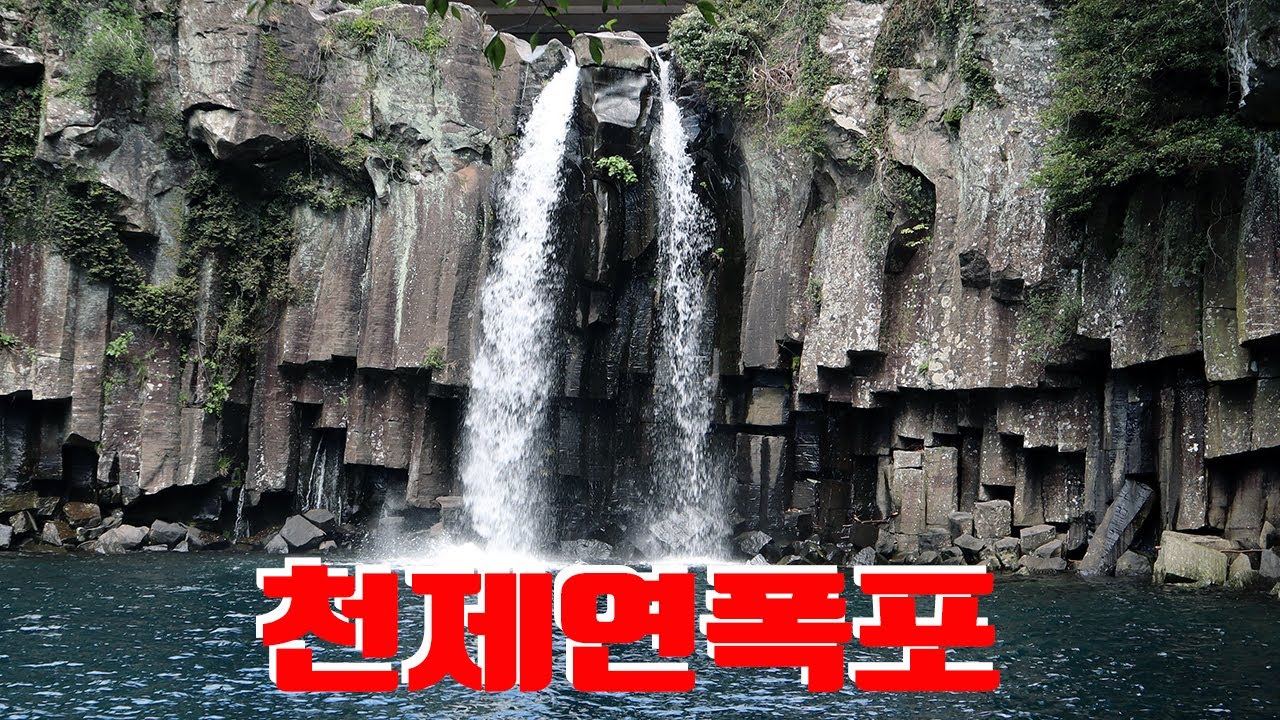
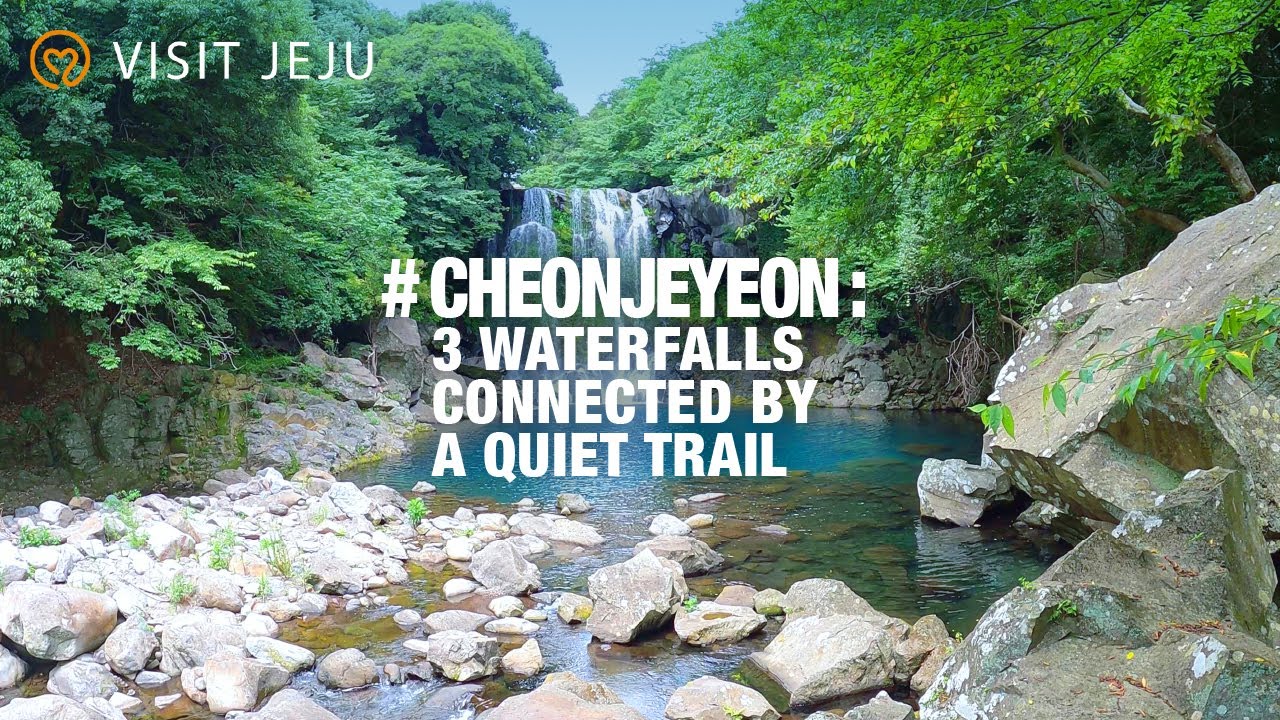
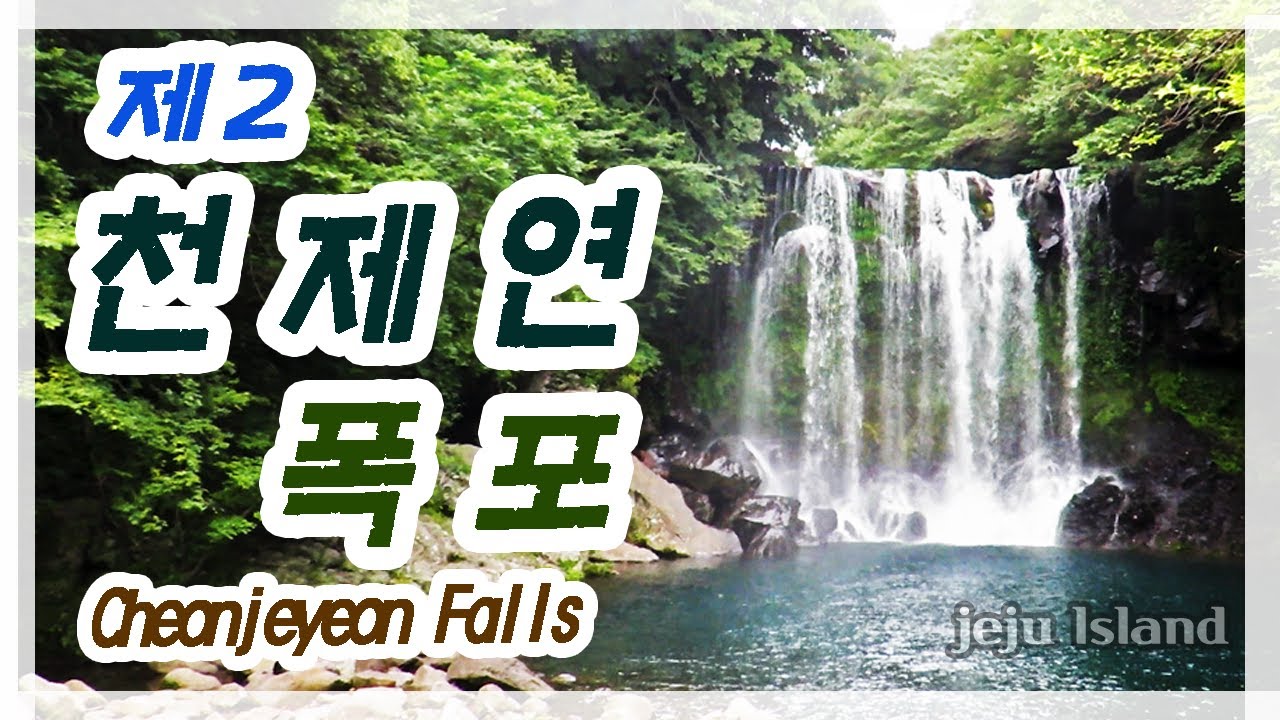
The Stream of Jungmuncheon, located on the stunning Jeju-do Island in South Korea, is a beautiful freshwater stream. On the way to the sea the stream travels down the three-tiered waterfall of Cheonjeyeon.
There are many islands in the southwestern seas of Korea. Each island has small independent streams and various freshwater fish live there, and there is even major differences from stream to stream on each island.
The flora and fauna of Jeju-do Island is quite unique, and the island is home to rare plants and an abundance of life. There has been collected way over 700 different fish species from the streams of Jeju-Do Island. The stream of Jungmuncheon is inhabited by my both Rhinogobius and other species.
- Submitted by
- David Nørholm
- Approved by
- Fan Li & Zhou Hang
- GPS
- 33.2456169, 126.4186172
- Geographical region
- Eastern Asia
- Drainage Basin
- Jungmuncheon River
- River catchment
- Jungmuncheon Stream
- Water body type
- Stream
- Water body name
- Jungmuncheon Stream
- Water body part
- Rapids
- Water body course
- Middle course
- Water body: tributary of
- River
- Tributary name
- Jungmuncheon River
Videos above and below water
Warning: Undefined variable $fish_parent in /home/biotopea/public_html/wp-content/themes/bap/content-bin.php on line 55
Water Chemistry
Water information
- Water type
- fresh-water
- Water color
- Clear water
- Water transparency
- High
- Concentration of sediments
- Low
- Water temperature
- °C
- Water flow/curent
- Strong
Chemical parameters
- pH
- 7.44
- Conductivity
- 121
- GH
- dGH
- KH
- dKH
- Dissolved Oxygen
- 5.23 %
Substrate in nature
- Sand
- Beige
- Pebble/Gravel
- Mixed
- Stone
- Grey
- Stone form
- Roundish
- Silt/Mud
- Beige
- Leaves
- Driftwood
- Few
- Submerged terrestrial vegetation
Aquatic Biotope
- Date of collecting
- 10/04/2022
- Collecting area
- Centre
- Water depth
- 1,0m
- Air temperature
- 20 °C
- Sunlight
- Partial shade
Environment
- Environment
- Affected by human activity
- Affected by human activity
- Pollution
- Pollution
- Advanced
- Surrounding area
The surrounding area of Jungmuncheon Stream on Jeju-do Island is a picturesque and captivating landscape. Lush greenery, including diverse flora and towering trees, blankets the surroundings, creating a serene and natural atmosphere.
The stream meanders through valleys, occasionally forming gentle cascades and pools that add to its beauty. The area is known for its scenic beauty, with the stream flowing through rocky terrain and dense forests, offering a peaceful retreat for visitors – no wonder this place is a popular tourist attraction.
The natural surroundings are teeming with biodiversity, with various plant species, small animals, and birds. The area was selected as a Designated Natural Monument No. 378 in 1993 because of the rare plants it contains and its value for scientific research. A number of rare plants grows here as well. Tall trees, ferns and other interesting plants grow close to the banks of the stream, and makes this place even more beautiful.
- Underwater landscape
Jungmuncheon Stream is a rather classical hillstream with rapid water flowing through rocks in all sizes – the water is relatively slow moving in dry season though. As the stream flows through its course, it carves its way through rocky terrain, creating a diverse and intriguing underwater environment. Underneath the crystal-clear water, you may find a variety of submerged rock formations, crevices, and small caves that provide shelter and hiding spots for aquatic life.
The underwater ecosystem of Jungmuncheon Stream is home to fewer aquatic species than compareable streams flowing into the sea of mainland Korea. Nevertheless you might spot small fish swimming gracefully among the rocks, or groups of freshwater gobies leaning against the current.
Invertebrates such as water insects, snails, and freshwater crustaceans can also be found, adding to the biodiversity of the stream. Caridina multidentata are not native to this area, but is probably released by aquarists.
The upstream of Jungmuncheon is composed of boulders and cobbles. As more downstream you move the more it consists of pebble, gravel and sand. The chosen area of this biotope is about middle of the stream, so there is not much sand, but rocks, pebbles and gravel in all sizes.
Fishlist:
- Rhynchocypris oxycephala (Leuciscidae)
- Rhinogobius giurinus (Oxudercidae)
- Plecoglossus altivelis (Plecoglossidae)
- Rhinogobius brunneus (Oxudercidae)
- Mugil cephalus (Mugilidae)
Crustaceans:
- Caridina multidentata (Atyidae)
- Threats to ecology
Although there is numerous appreciable initiatives underway on Jeju-do Island, like the focus of suistainable tourism, nature conservation projects, UNESCO Global Geopark and a goal of being carbon free by 2030, there is still some serious threats to the ecology of the Island. Among these are:
- Tourism Pressure: Jeju-do Island is a popular tourist destination, and the high volume of visitors can have ecological consequences. Increased foot traffic, waste generation, and infrastructure demands can put stress on sensitive habitats, coastal areas, and natural resources.
- Urbanization and Development: The rapid urbanization and development on Jeju-do Island pose a significant threat to its natural ecosystems. Infrastructure expansion, construction projects, and increased human activity can lead to habitat loss, fragmentation, and disturbance to the native flora and fauna.
- Invasive Species: The introduction of non-native species, such as plants, animals, and pests, can disrupt the balance of native ecosystems on Jeju-do Island. Numerous freshwater species has already been introduced to the island. Some reports even claim that the Rhinogobius giurinus is invasive.
- Volcanic activity. Jeju-do Island is located in an active volcanic region, and as such, volcanic activity poses certain threats to the island’s environment and population.
Riparian zone
- Trees near the aquatic habitat
-
Many -
Comment by the expert
Fan Li: The contestant carefully observed and described the ecological characteristics of the habitat.
Zhou Hang: –