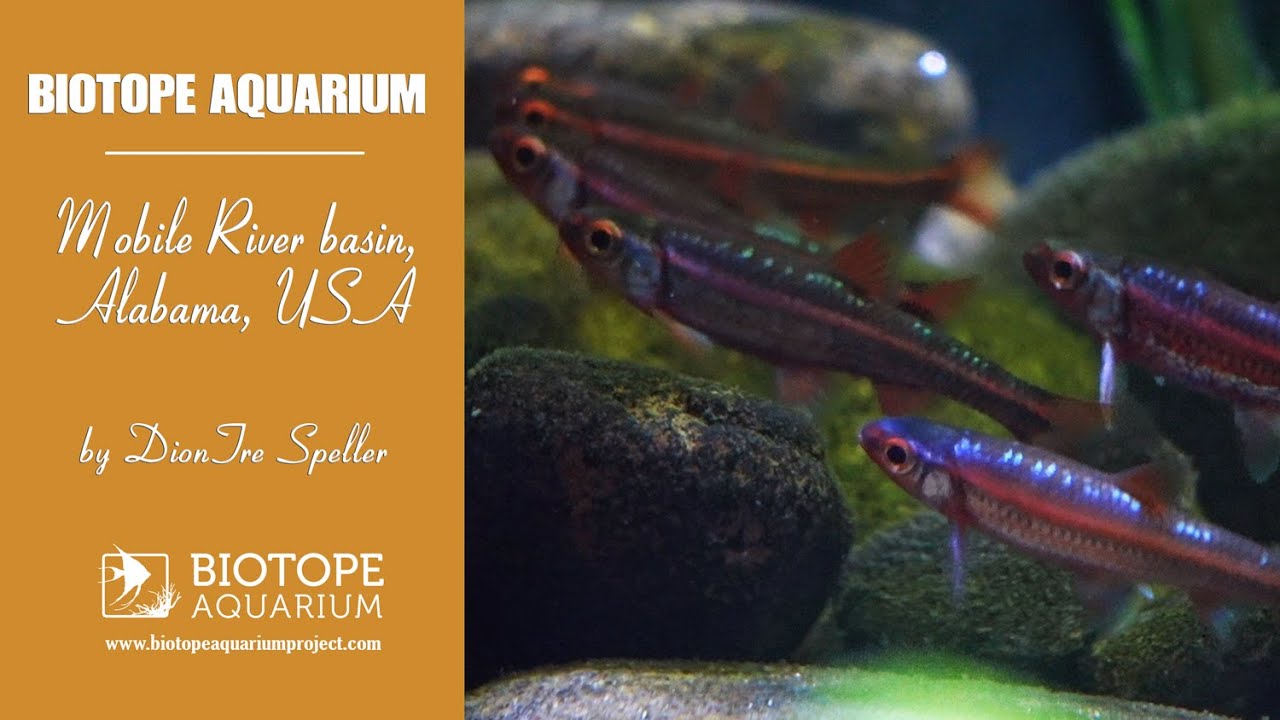
bin
Mobile River, Alabama, USA
United States, Alabama, Alabama
The Mobile River Basin, an extensive and ecologically rich river system in the southeastern United States, plays a crucial role in Alabama’s environment, economy, and culture. Spanning multiple states, including Alabama, Mississippi, and Georgia, the basin covers approximately 110,000 km² (44,000 square miles) and supports a diverse array of wildlife, plant species, and human activities. The river has been a crucial transportation route for Native American tribes, European explorers, and early settlers. It played a significant role in the development of the region.
- Submitted by
- DionTre Speller
- Approved by
- Fritz Rohde & Lawrence Kent
- GPS
- 30.6561108, -88.0311127
- Geographical region
- Northern America
- Drainage Basin
- Gulf of Mexico
- River catchment
- Mobile River
- Water body type
- River
- Water body name
- Mobile
- Water body part
- Outflow
- Water body course
- Lower course
- Water body: tributary of
- Tributary name
Videos above and below water
Warning: Undefined variable $fish_parent in /home/biotopea/public_html/wp-content/themes/bap/content-bin.php on line 55
Water Chemistry
Water information
- Water type
- fresh-water
- Water color
- Clear water
- Water transparency
- High
- Concentration of sediments
- No
- Water temperature
- 20 °C
- Water flow/curent
- Strong
Chemical parameters
- pH
- 7
- Conductivity
- GH
- dGH
- KH
- dKH
- Dissolved Oxygen
Substrate in nature
- Sand
- Beige
- Pebble/Gravel
- Mixed
- Stone
- Mixed
- Stone form
- Flat
- Silt/Mud
- Brown
- Leaves
- Few
- Driftwood
- Few
- Submerged terrestrial vegetation
- None
Aquatic Biotope
- Date of collecting
- Collecting area
- Water depth
- Air temperature
- Sunlight
Environment
- Environment
- Affected by human activity
- Affected by human activity
- Agriculture
- Agriculture
- Advanced
- Surrounding area
The Mobile River Basin is vital to the economy of Alabama and the surrounding region. It supports commercial and recreational fishing, transportation, and industry. The port of Mobile, located at the basin’s southern end, is one of the busiest ports in the United States, facilitating international trade and contributing significantly to the local and state economy.
Culturally, the basin has a rich history. Native American tribes, such as the Choctaw and Creek, historically inhabited the region, relying on its rivers for sustenance and transportation. Today, the basin continues to be a focal point for outdoor recreation, including boating, fishing, and wildlife observation, attracting tourists and providing local residents with valuable recreational opportunities.
- Underwater landscape
The Mobile River Basin is renowned for its rich biodiversity. It is home to numerous species of fish, mussels, crayfish, and other aquatic life. Notably, the basin supports several endemic species, meaning they are found nowhere else in the world. Among these are the Mobile River cooter, Alabama sturgeon, and the Cahaba shiner. The region’s rivers and streams provide critical habitats for these and many other species, making it a hotspot for biological diversity and conservation efforts.
Fishlist:
- Hydrophlox chrosomus (Leuciscidae)
- Campostoma sp. (Leuciscidae)
Plants:
- Vallisneria sp. (Hydrocharitaceae)
- Threats to ecology
Despite its ecological and economic importance, the Mobile River Basin faces several environmental challenges. Pollution from agricultural runoff, industrial discharges, and urban development poses significant threats to water quality and aquatic habitats. Additionally, habitat destruction and alteration, such as dam construction and river channelization, have impacted the natural flow and health of the rivers.
Conservation efforts are underway to address these issues. Organizations like the Mobile Bay National Estuary Program and the Nature Conservancy are working to protect and restore the basin’s natural resources. Initiatives include habitat restoration, pollution reduction, and public education programs aimed at fostering sustainable practices and enhancing the basin’s resilience to environmental stressors.
Riparian zone
- Trees near the aquatic habitat
-
Many -
Comment by the expert
Lawrence Kent: Beautiful planted tank with val moving with the water flow and rainbow shiners showing fantastic colors; great but too short video from above of brilliant rainbow shiner in the creek; adding a second fish species might enhance interest.
Fritz Rohde: Beautiful set up and accurate. Two years? Nice. Rainbow Shiners very healthy.