bin
Munchingiputtu Stream, Andhra Pradesh, India
India, Andhra Pradesh , Eastern Ghats, Alluri Sitharama Raju District
Located in the forested valleys near Munchingiputtu in the Eastern Ghats of Andhra Pradesh, this untouched hill stream flows through ancient tribal lands once part of the Eastern Deccan Kingdoms. The region is rich in biodiversity and forms part of the Eastern Ghats biodiversity hotspot.
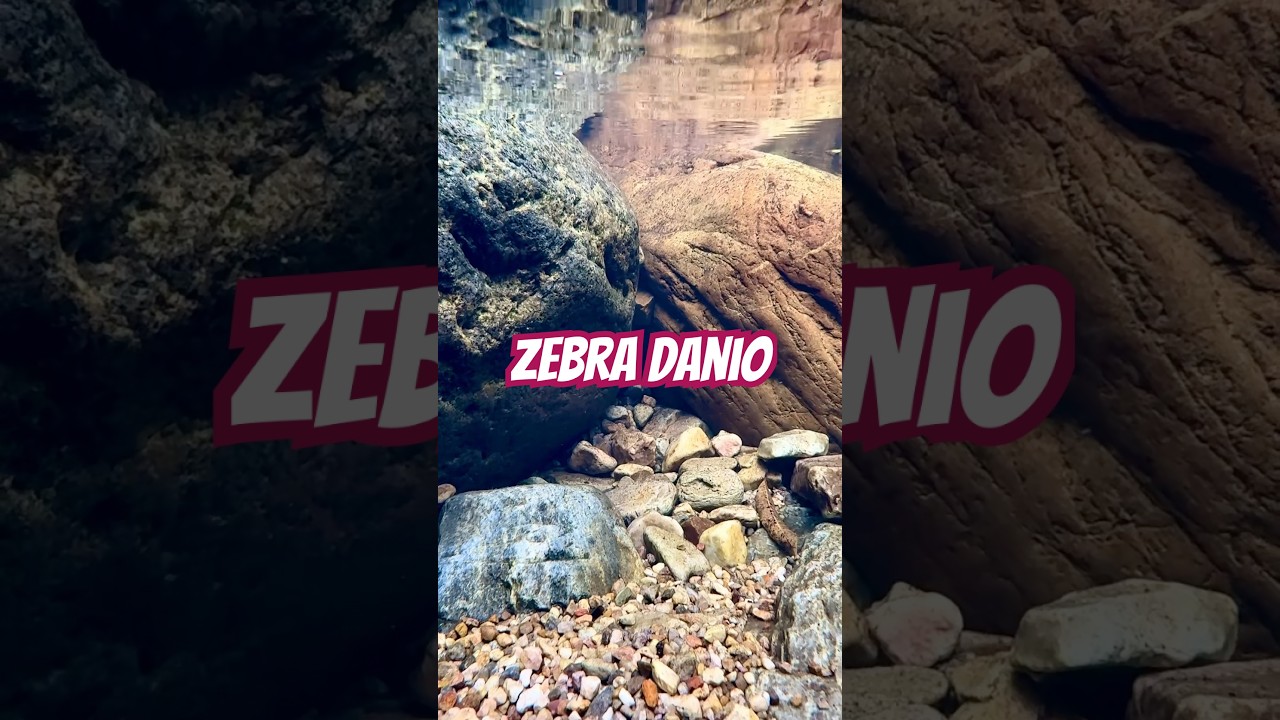
The stream is shallow, with clear, oxygen-rich water running over sandy-gravel beds, shaded by mixed deciduous and semi-evergreen trees. Native fishes like Devario devario, Horadandia brittani, Dario dario (very rare), Barilius bendelisis, Carinotetraodon travancoricus (recent introduction), Puntius chola, and Mystus vittatus thrive here.
Leaf litter, roots, and smooth stones shape the underwater landscape. Seasonal monsoon changes influence water level and flow, creating a dynamic habitat for both aquatic and terrestrial life.
- Submitted by
- Protim Sarkar
- Approved by
- Hans-Georg Evers & Friedrich Bitter
- GPS
- 18.3660984, 82.5084610
- Geographical region
- Southern Asia
- Drainage Basin
- Godavari River Basin
- River catchment
- Sileru River Catchment
- Water body type
- Stream
- Water body name
- Munchingiputtu Hill Stream
- Water body part
- Channel
- Water body course
- Upper course
- Water body: tributary of
- Hill streams
- Tributary name
- Sileru River
Videos above and below water
Warning: Undefined variable $fish_parent in /home/biotopea/public_html/wp-content/themes/bap/content-bin.php on line 55
Water Chemistry
Water information
- Water type
- fresh-water
- Water color
- Clear water
- Water transparency
- High
- Concentration of sediments
- Low
- Water temperature
- Depending on season and time of day, water temperature ranges from 17-28 °C
- Water flow/curent
- Strong
Chemical parameters
- pH
- 6.85
- Conductivity
- 108
- GH
- 35 mg/l
- dGH
- KH
- 28 mg/l
- dKH
- Dissolved Oxygen
- 6.76 %
Substrate in nature
- Sand
- Beige
- Pebble/Gravel
- Beige
- Stone
- Grey
- Stone form
- Roundish
- Silt/Mud
- Beige
- Leaves
- Few
- Driftwood
- None
- Submerged terrestrial vegetation
- Yes
Aquatic Biotope
- Date of collecting
- 19/11/2024
- Collecting area
- Centre
- Water depth
- 0,5m
- Air temperature
- 21 °C
- Sunlight
- Partial shade
Environment
- Environment
- Untouched
- Surrounding area
The Munchingiputtu stream flows through a mid-elevation valley in the Eastern Ghats, surrounded by undulating hills covered with moist deciduous and semi-evergreen forest. The area is rich in biodiversity and lies near tribal settlements that practice small-scale agriculture.
Tall riparian trees like Phoenix sylvestris provide shade, while bamboo clusters and wild grasses line the stream banks. Rocky slopes, leaf litter, and forest debris contribute to a naturally filtered, shaded, and nutrient-rich aquatic ecosystem.
- Underwater landscape
The underwater landscape of the Munchingiputtu stream is characterized by a shallow, gently flowing current over a mixed substrate of coarse sand, rounded pebbles, gravel, and occasional submerged rocks. Organic detritus such as fallen dry leaves, twigs, and palm debris accumulate along edges and eddies, supporting aufwuchs and microinvertebrates.
Aquatic plants like Vallisneria spiralis and Hygrophila difformis are rooted in calmer zones, while algae and biofilm cover submerged surfaces. Clear water and dappled sunlight through the forest canopy create a dynamic and well-oxygenated habitat.
Fish list:
- Devario devario (Cyprinidae )
- Danio rerio (Cyprinidae )
- Barilius bendelisis (Cyprinidae )
- Dario dario (Badidae)
- Carinotetraodon travancoricus (Tetraodontidae)
- Horadandia brittani (Cyprinidae )
Aquatic plant list:
- Vallisneria spiralis (Hydrocharitaceae )
- Hygrophila difformis (Plantaginaceae)
Terrestrial vegetation list:
- Phoenix sylvestris (Arecaceae)
- Threats to ecology
The Munchingiputtu stream ecosystem faces increasing threats from deforestation, shifting cultivation, and illegal sand mining that disturb natural stream flow and substrate. Livestock grazing and agrochemical runoff from nearby tribal farmlands degrade water quality.
Seasonal tourism and dumping of plastic waste also contribute to habitat loss, affecting native fish, aquatic plants, and aufwuchs communities critical for ecological balance.
Riparian zone
- Trees near the aquatic habitat
-
Many -
Comment by the expert
Hans-Georg Evers: Excellent! Evaluated all components short but to the point. Interesting biotope!
Friedrich Bitter: The presented biotope and aquarium show great differences.