bin
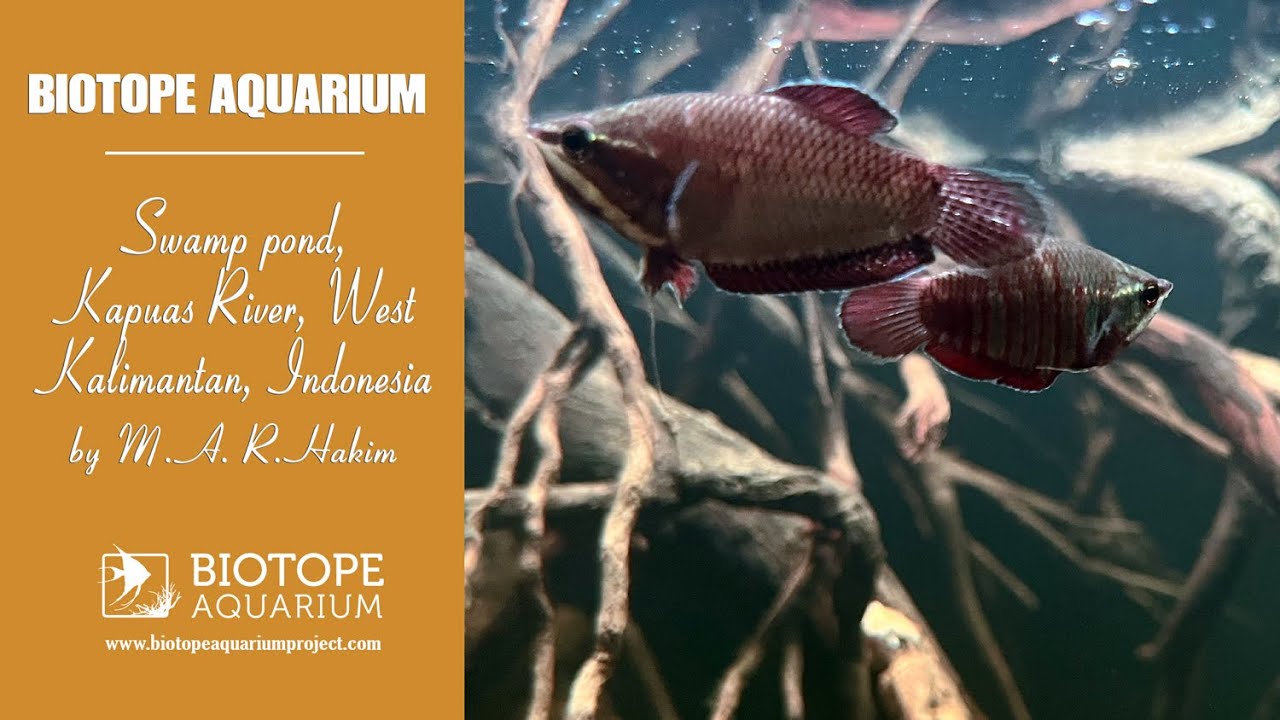
Swamp pond, Kapuas river, West Borneo, Indonesia
Indonesia, West Borneo, Regency of Sekadau
The Kapuas River ecosystem is a complex natural system where various organisms such as fish, aquatic plants, invertebrates, and plankton interact with environmental factors including water temperature, current flow, water quality, and sedimentation. These biotic and abiotic interactions shape the dynamic balance of the river environment.
With a length of 1.143 kilometers, the Kapuas River is the longest river in Indonesia. It plays a crucial role in the daily lives of communities in West Kalimantan, serving both as a major transportation route and a vital source of water, food, and livelihood.
However, the river’s condition is strongly influenced by surrounding land use, industrial activities, and agriculture. Human impacts have introduced growing challenges. The Kapuas River faces increasing levels of pollution, particularly from industrial waste, mining operations, and the widespread use of chemical fertilizers and pesticides in farming. These pollutants threaten the health of the river and its ability to sustain life.
Despite these pressures, the Kapuas River supports a high level of biodiversity. It is home to a wide variety of fish species, aquatic plants, and other freshwater organisms. This biological richness is not only important for the ecological balance of the region, but also essential for the cultural and economic well-being of local communities.
- Submitted by
- Mohammad Arief Rahman Hakim
- Approved by
- Heiko Blessin, Heok Hee Ng & Greg Martin
- GPS
- 0.1332554, 111.2384491
- Geographical region
- Southeastern Asia
- Drainage Basin
- South China Sea
- River catchment
- Kapuas River
- Water body type
- Stream
- Water body name
- Jungkit
- Water body part
- Water body course
- Upper course
- Water body: tributary of
- River
- Tributary name
- Kapuas River
Videos above and below water
Warning: Undefined variable $fish_parent in /home/biotopea/public_html/wp-content/themes/bap/content-bin.php on line 55
Water Chemistry
Water information
- Water type
- fresh-water
- Water color
- Black water
- Water transparency
- High
- Concentration of sediments
- Medium
- Water temperature
- 27 °C
- Water flow/curent
- Slow
Chemical parameters
- pH
- 4.68
- Conductivity
- GH
- dGH
- KH
- dKH
- Dissolved Oxygen
Substrate in nature
- Sand
- Beige
- Pebble/Gravel
- Beige
- Stone
- Mixed
- Stone form
- Irregular
- Silt/Mud
- Brown
- Leaves
- Adundant
- Driftwood
- Many
- Submerged terrestrial vegetation
- None
Aquatic Biotope
- Date of collecting
- 07/08/2024
- Collecting area
- River bank
- Water depth
- 0,5m
- Air temperature
- 27 °C
- Sunlight
- Filtered/dappled sun
Environment
- Environment
- Untouched
- Surrounding area
Kapuas River has a length of 1,143 km and is the longest river in Indonesia. This river becomes the main transportation route in West Kalimantan and a source of life for the community.
- Underwater landscape
The Kapuas River supports high biodiversity, including various types of fish, aquatic plants, and aquatic animals.
Fish list:
- Sphaerichthys vaillanti (Osphronemidae)
- Rasbora kalochroma (Danionidae)
- Threats to ecology
River ecology is important to maintain environmental balance and provide benefits for the community, such as a source of clean water, tourist attractions, and a source of income for fishermen.
Sustainable conservation and management efforts are needed to maintain the river ecology in West Kalimantan so that they remain healthy and provide benefits to the community and the environment.