bam Demanding level

Caño El Pozo, Orinoco basin, Venezuela

Sponsored by

Venezuela, Bolivarian Republic of, Amazonas

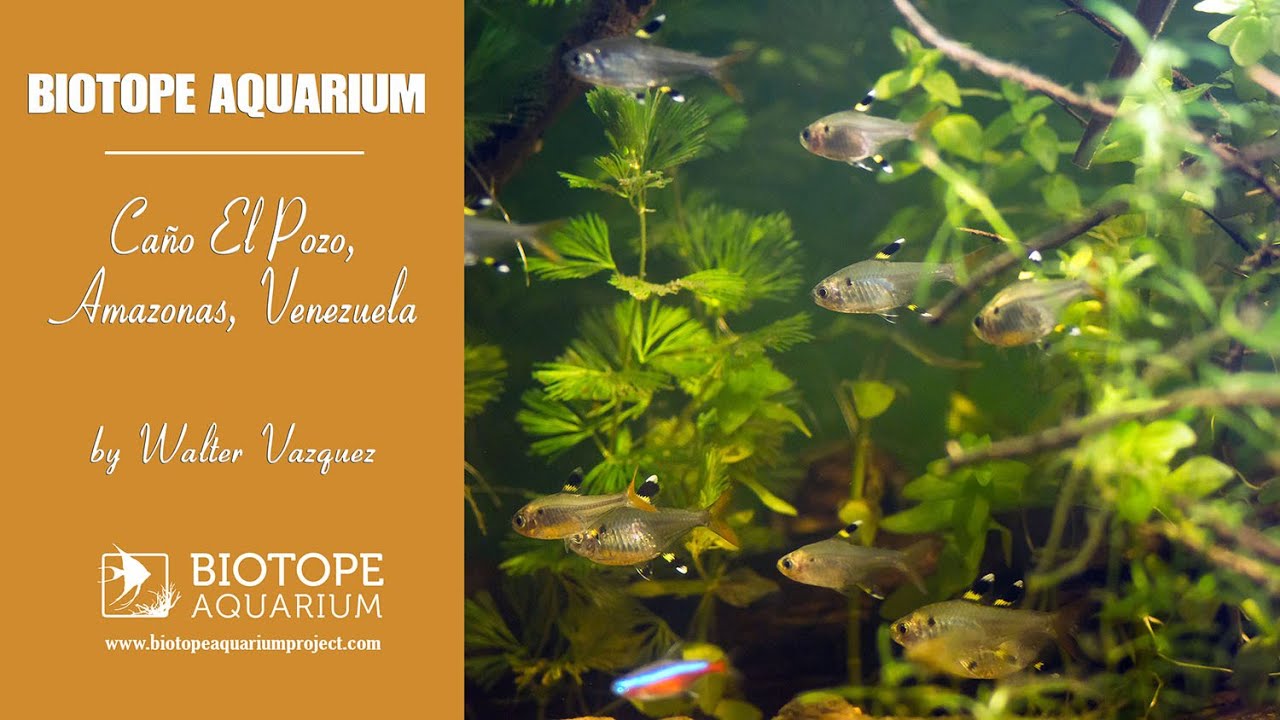
My 200L biotope aquarium represents the banks coastal waters of Caño El Pozo, a stream belonging to the Orinoco River basin in the Colombian-Venezuelan Amazon. I based my own representation on images and first hand information from Ivan Mikolji and some of his articles. I used white silica sand for the substrate, the same as the original system.

The bottom contains remains of the fruit of Maurita flexuosa and its seeds, leaf litter, and I used branches, trunks, and roots to simulate the coastal zone. I also simulated the entry of Moriche palm leaves into the water from the surface with similar palm leaves for a more natural look.

I also used plants of the same genus found in the area, such as Cabomba caroliniana (replacing Cabomba furcata, since it is not sold in my country), Bacopa sp., Eleocharis minima, and Naja guadalupensis. The fish species used in the aquarium are Pristella maxilaris, Nannostomus eques and Paracheirodon axelrodi.

Submitted by
Walter Vazquez
Approved by
Roberto E. Reis, Pablo C. Lehmann & Antonio Machado-Allison
GPS
3.9850409, -67.6386948
Geographical region
South America
Drainage Basin
Western Guiana Shield
River catchment
Orinoco river
Water body type
Stream
Water body name
Caño El Pozo
Water body part
Channel
Water body course
Middle course
Water body: tributary of
River
Tributary name
Orinoco river

Videos above and below water

Warning: Undefined variable $fish_parent in /home/biotopea/public_html/wp-content/themes/bap/content-bam.php on line 85

Warning: Undefined array key "additional_species" in /home/biotopea/public_html/wp-content/themes/bap/functions/bap-fields.php on line 349

Water Chemistry

Water information

Water type
fresh-water
Water color
Clear water
Water transparency
High
Concentration of sediments
Low
Water temperature
27 °C
Water flow/curent
Slow

Chemical parameters

pH
5.4
Conductivity
GH
dGH
KH
dKH
Dissolved Oxygen

Aquarium information

Aquarium description

Set-up date
November, 2024
Aquarium decoration

To create and plan this aquarium, I based it on underwater photos and videos of the system in nature. I used white silica sand similar to that of the biotope in nature, allowing detritus to accumulate on the bottom over time and give it a natural look.

There are remains of the Mauritia flexuosa fruit shell and its seeds, which were included whole and degraded as the aquarium matured, serving as food for the fish. I based my design on the banks of Caño El Pozo, so on the right side, I simulated a trunk buried in the substrate, with the roots and branches of the bank covering it and providing a refuge and breeding area for the fish. In that area, I added Naja guadalupensis, which, thanks to its growth pattern among the branches, creates a very natural environment. Paracheirodon axelrodi feels very comfortable in that area of ​​the aquarium.

I created a slight slope characteristic of the shore, occupied by trunks and branches that emerge from the surface, simulating fallen tree branches. I also used semi-dried palm leaves similar to those in the surrounding area, which add to the typical morichal atmosphere and help provide shelter and shade.

In the rear of the aquarium, I used Cabomba caroliniana instead of Cabomba furcata, since it’s not available in my country. This created a dense zone of plants, among which I also planted Bacopa sp. instead of Bacopa callitrichoides, since it’s also unavailable in my country but has a similar appearance. Eleocharis minima was also used in some areas of the aquarium.

The natural growth of the plants is appreciated by the shoals of Nannostomus eques and Pristella maxillaris. I tried to take the design to the extreme to make it look natural. This, combined with the maturation time the aquarium has had up to the time the photo was taken, makes it look very natural.

Aquarium equipment
  • Filtration: Aquaclear 70 Cascade filter modified to accommodate a large amount of biological filtration material.
  • Heating: Eheim Thermocontrol 200W
  • Lighting: DIY light.
Fish care

Maintaining a suitable habitat that resembles the natural biotope and with several functional areas for shelter, feeding, and reproduction, as well as appropriate water parameters, is the foundation of all good maintenance for the fish species that inhabit the aquarium.

A varied diet, including live and commercial foods, is also important. I maintain a species mix that ensures adequate viability.

Regular water changes and parameter checks are also performed.

Fish list:

  • Paracheirodon axelrodi (Characidae)
  • Pristella maxillaris (Characidae)
  • Nannostomus eques (Lebiasinidae)
Plant care

Maintaining the plant species that inhabit the aquarium is relatively simple in terms of difficulty. The aquarium lighting meets their requirements, and they thrive in a healthy and very natural manner.

Bacopa sp. grows green and vigorous, Cabomba caroliniana forms a dense clump of stems and begins to flower upon emergence. Naja guadalupensis grows as naturally as it would chaotically in nature.

Plant list:

  • Cabomba sp. (Cabombaceae)
  • Bacopa sp. (Plantaginaceae)
  • Eleocharis minima (Cyperaceae)
  • Naja guadalupensis (Hydrocharitaceae)
Water care

I perform weekly 30% water changes, siphoning the bottom to remove debris while taking care not to significantly alter the appearance of the soil. I also clean the windows and clean the filtration system when necessary. All water replacement is done with treated water, maintaining constant pH and temperature levels.

Dimensions

Length
100 cm
Depth
40 cm
High
50 cm
Volume
200 L

Substrate in aquarium

Sand
White
Pebble/Gravel
None
Stone
None
Stone form
Silt/Mud
None
Leaves
Few
Driftwood
Many
Submerged terrestrial vegetation
None

Bibliography

Sitography

→ mikolji.com

Comment by the expert

Roberto E. Reis: Fish and plants certainly set to coexist well for a long time and the aquarium has a good size (200 l), including three fish species that are native to the BIN. Aquarium is well planted and decorated with dead palm leaves and driftwood, which makes the aquarium beautifully composed and similar to the natural environment. The details, equipment and chemicals used, and care taken are properly described. Good visual support, with one video and five photos.

Pablo C. Lehmann: Walter Vázquez’s BAM is a highly successful biotope recreation, with aesthetic impact and technical solidity. It convincingly portrays Caño El Pozo and demonstrates both scientific knowledge and aquascaping mastery.

Antonio Machado-Allison: Very good