- Set-up date
- 20 April, 2026
- Aquarium decoration
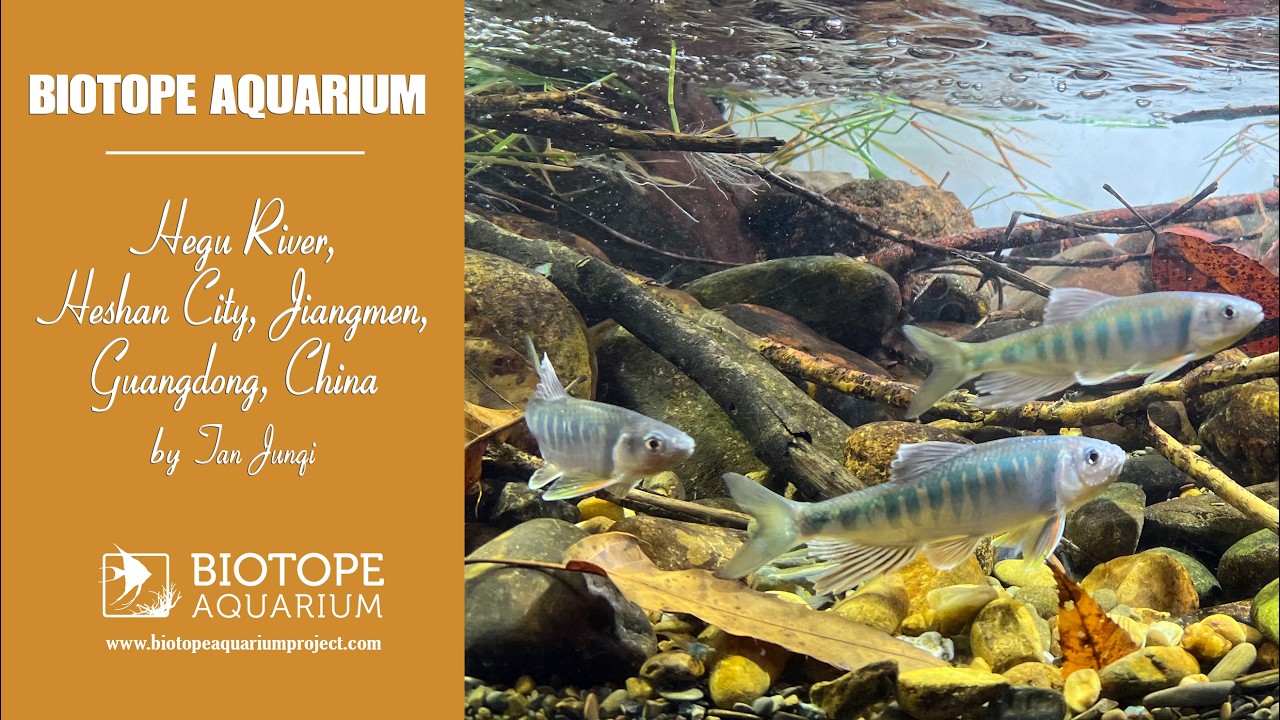
The aquarium layout is designed to recreate the hydrological gradient of a natural stream environment. On the left side, the water flow generated by the filter simulates a cascading stream section with a noticeable elevation change. This creates highly oxygenated water and a stronger current, providing suitable habitat conditions for gobies and loaches.
The central area transitions into a slower-flowing zone, representing the preferred habitat of long-fin dace (Opsariichthys evolans), where feeding opportunities and breeding areas can be maintained. The quieter section of the aquarium features a lower sand substrate, creating greater water depth and a more diverse habitat structure.
The rear area represents a shallow stream margin, with aquatic vegetation attached to the substrate. This vegetation works together with the filtration system to help maintain stable water quality. Through the use of light and shadow, the aquarium creates a sense of depth and aims to reproduce the natural appearance of the original stream landscape.
All materials, plants, and fish species used in this biotope aquarium originate from the local native environment.
Fish:
- Opsariichthys evolans (Cyprinidae) – 6
- Rhinogobius giurinus (Gobiidae) – 3
- Traccatichthys pulcher (Cobitidae) – 2
Crustaceans:
- Neocaridina denticulata (Atyidae) – 20
Wetland plant:
- Acorus tatarinowii (Acoraceae) – 1
- Aquarium equipment
The biotope aquarium is set up in a three-level 40×30 cm storage container system. Water circulation is provided by a 12.000 L/h Senbao water pump. Lighting is supplied by three white LED spotlights.
A reliable temperature monitoring system is used to maintain stable conditions, and a 300W Sensen heater is used during the winter period to maintain appropriate water temperature.
- Fish care
This biotope represents a stream environment, where maintaining clear and high-quality water conditions is essential. As the original habitat consists mainly of shallow areas, the aquarium water level is maintained between 25 and 30 cm to reproduce similar conditions and support the natural behaviour of Opsariichthys evolans, including feeding activity and reproductive readiness.
Live food is regularly provided to encourage natural hunting behaviour and maintain the feeding responses observed in the wild. Beneficial microorganisms, including photosynthetic bacteria, EM bacteria, and lactic acid bacteria, are occasionally added to support water quality and promote the development of beneficial biofilm and algae.
The water temperature is maintained between 26 and 27 °C, helping to reduce stress and prevent health issues while allowing the fish to maintain natural activity levels.
- Plant care
A variety of aquatic plants, including Acorus tatarinowii and floating plants such as Lemna sp., have been incorporated into the aquarium layout. These plants have relatively low requirements, and maintaining adequate light and a stable water supply is sufficient to support healthy growth.
Through their natural biological functions, these plants contribute to nutrient uptake, improve water quality, and help maintain a stable and balanced aquatic environment.
- Water care
A 25% water change is performed every five days. After each water change, beneficial bacteria are added to support a stable microbial community and maintain consistent water quality.
Every two weeks to one month, the filter wool is cleaned or replaced to ensure efficient mechanical filtration while preserving the stability of beneficial bacterial populations within the aquarium system.