bam Demanding level

Unnamed Pond in Zengcheng, Guangzhou, China

Sponsored by

China, Guangdong

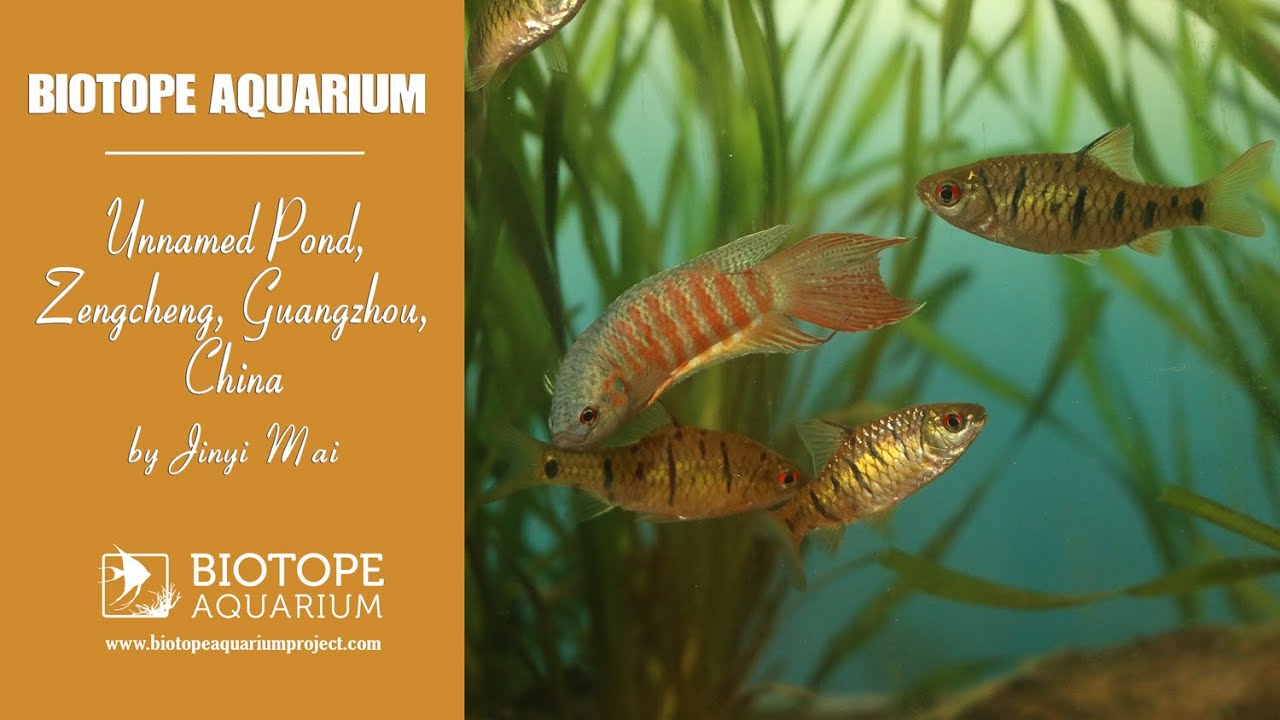
This 36L aquarium models a specific forest pond near Chiling Village, Zengcheng, Guangzhou, faithfully recreating one characteristic Macropodus opercularis habitat of Lingnan: the densely vegetated shallow waters of a calm pond. The bottom layer uses pond silt mixed with coarse river sand, anchoring clusters of Vallisneria spiralis to recreate natural fish shelters. Leaf litter establishes authentic detrital layers while enhancing microhabitat complexity.

This aquarium centers on Macropodus opercularis as the keystone species, accompanied by sympatric Barbodes semifasciolatus and Cipangopaludina cathayensis, each occupying distinct ecological niches. The filter generates gentle currents where Vallisneria spiralis sways rhythmically –fulfilling the paradise fish’s preference for calm habitats while enabling plant-mediated water purification. This achieves seamless unity between ecological functionality and natural aesthetics.

Submitted by
Jinyi Mai
Approved by
Sun Kai & Zhou Hang
GPS
23.4130688, 113.6056747
Geographical region
Eastern Asia
Drainage Basin
Pearl River Basin
River catchment
Zengjiang River
Water body type
Pond
Water body name
Unnamed pond
Water body part
Water body course
Water body: tributary of
Hill streams
Tributary name

Videos above and below water

Warning: Undefined variable $fish_parent in /home/biotopea/public_html/wp-content/themes/bap/content-bam.php on line 85

Water Chemistry

Water information

Water type
Water color
Clear water
Water transparency
High
Concentration of sediments
Low
Water temperature
°C
Water flow/curent

Chemical parameters

pH
Conductivity
GH
dGH
KH
dKH
Dissolved Oxygen

Aquarium information

Aquarium description

Set-up date
April, 2025
Aquarium decoration

In the biotope setup, stones similar in color and shape to those found in ponds are piled at the center of the scene. Then, block-shaped pond mud purchased online is laid down, followed by scattering fine river sand and withered branches and leaves. Finally, Vallisneria spiralis is planted. After adding water, over time, the originally floating withered branches and leaves settle to the bottom with the gentle water flow, creating an environment resembling the shoreline area of a pond’s bottom.

Aquarium equipment
  • Filtration: AMTRA EX450
  • Lighting:Neo-Helios S3 pro+, 13w
Fish care

Both the Macropodus opercularis and the Barbodes semifasciolatus are highly easy-to-keep fish species. Feeding them once a day with pellet feed is sufficient. I have provided them with a dimly lit environment and ample hiding spots by densely planting aquatic plants. Regularly, I use a mirror to let the Macropodus opercularis perform flaring exercises. The fish tank is placed on the balcony, where it can be exposed to sunlight on sunny days. There is no heater in the tank, and the water temperature in the tank matches that of their wild habitat.

Plant care

Vallisneria spiralis doesn’t require special care. Pond mud provides them with sufficient nutrients, and ensuring 6-8 hours of daily light is enough.

Water care

Use a filter to ensure water circulation, and replace the filter cotton every three months. Change one-third of the water weekly. In summer, water evaporates quickly, so additional regular water replenishment is needed.

Dimensions

Length
40 cm
Depth
30 cm
High
30 cm
Volume
36 L

Substrate in aquarium

Sand
Pebble/Gravel
Stone
Stone form
Silt/Mud
Leaves
Driftwood
Submerged terrestrial vegetation