bin

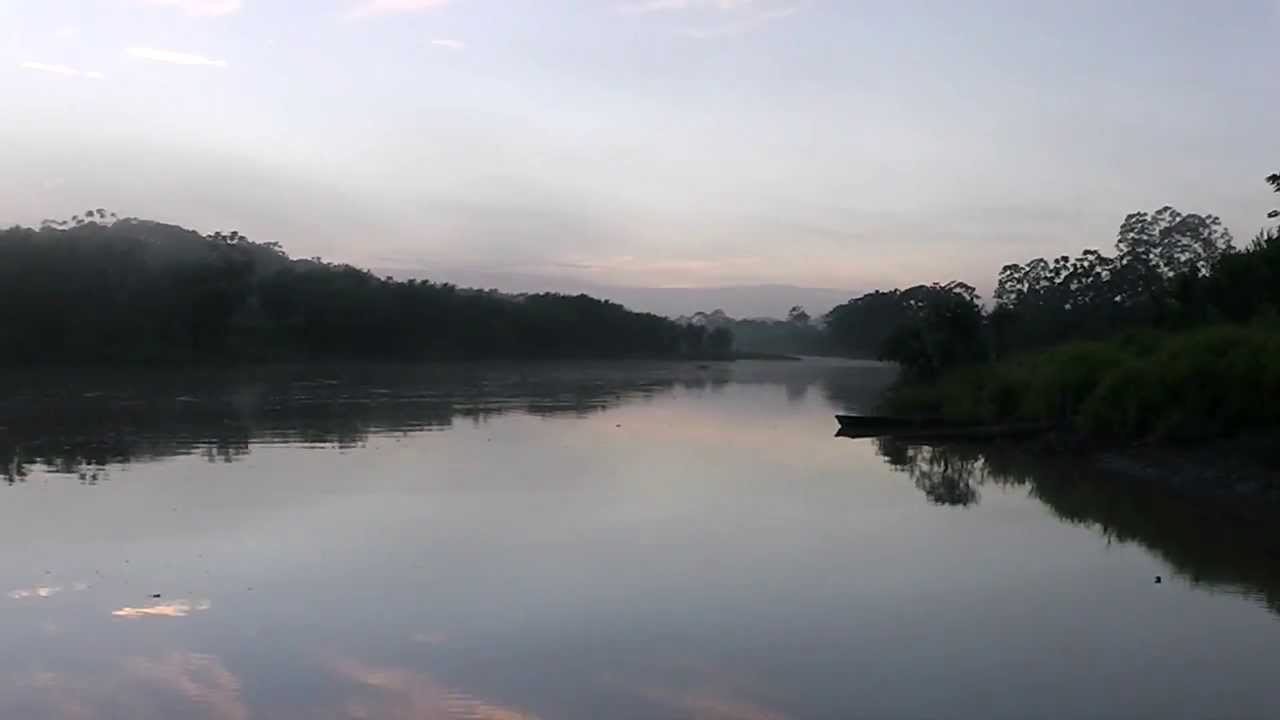
Blackwater affluent, Rio Ucayali, Peru

Sponsored by

Peru, Ucayali, Coronel Portillo

The Igapó forests of the Rio Ucayali basin in Peru represent a unique blackwater ecosystem, where seasonal flooding creates slow-flowing, acidic streams under a dense canopy. These waters are rich in tannins, soft in mineral content, and have low light penetration – perfect for species like Apistogramma cacatuoides and Paracheirodon simulans , which have evolved to thrive in such niches.

The biotope is often composed of leaf litter, submerged roots, and minimal aquatic vegetation, fostering rich biodiversity in microhabitats. This natural habitat has inspired the recreation of a softwater, low-light environment showcasing the vibrant colors and natural behaviors of these iconic Amazonian fish.

Submitted by
Shivansh Rajpoot
Approved by
Roberto E. Reis, Pablo C. Lehmann & Antonio Machado-Allison
GPS
-6.3428555, -76.0068893
Geographical region
South America
Drainage Basin
River catchment
Amazon River Basin
Water body type
Stream
Water body name
Igapó forest stream
Water body part
Flood plain
Water body course
Middle course
Water body: tributary of
River
Tributary name
Ucayali River

Videos above and below water

Warning: Undefined variable $fish_parent in /home/biotopea/public_html/wp-content/themes/bap/content-bin.php on line 55

Warning: Undefined array key "additional_species" in /home/biotopea/public_html/wp-content/themes/bap/functions/bap-fields.php on line 349

Water Chemistry

Water information

Water type
fresh-water
Water color
Black water
Water transparency
Low
Concentration of sediments
Low
Water temperature
26 °C
Water flow/curent
Slow

Chemical parameters

pH
5.5
Conductivity
70
GH
3 mg/l
dGH
KH
1 mg/l
dKH
Dissolved Oxygen
95 %

Substrate in nature

Sand
Beige
Pebble/Gravel
None
Stone
None
Stone form
Silt/Mud
Brown
Leaves
Few
Driftwood
Few
Submerged terrestrial vegetation
Yes

Aquatic Biotope

Date of collecting
17June, 2025
Collecting area
Side arm
Water depth
0,2m
Air temperature
28 °C
Sunlight
Filtered/dappled sun

Environment

Environment
Untouched
Surrounding area

The setup draws inspiration from a lesser-known stream branching off the Ucayali River in Peru. This part of the Amazon basin is wrapped in dense jungle, where the canopy overhead is so thick that sunlight barely touches the water’s surface.

These smaller waterways are shaded and narrow, quietly winding through the forest. During the wet season, the stream often overflows, turning the forest floor into a slow-moving, nutrient-rich floodplain. As leaves, bark, and branches fall in, they naturally tint the water and feed the delicate blackwater ecosystem below.

Terrestrial vegetation list:

  • Inga edulis (Fabaceae)
  • Ficus insipida (Moraceae)
  • Mauritia flexuosa (Arecaceae)
Underwater landscape

Below the surface, the streambed feels untouched – coated in soft, pale sand that’s broken up by a layer of fallen leaves and aged driftwood. Instead of stones or gravel, there’s a scattered mess of natural forest debris that slowly breaks down in the low-flow conditions.

There’s no strong current – just a gentle movement of water weaving through roots and branches. Plants are sparse but present; you might see patches of grass-like Eleocharis or some moss clinging to a fallen branch. These provide hiding places and breeding spots for fish like Apistogramma panduro or Paracheirodon simulans, which have evolved to thrive in these dim, acidic waters.

Fish list:

  • Apistogramma cacatuoides Double Red (Cichlidae)
  • Apistogramma panduro (Cichlidae)
  • Paracheirodon simulans (Characidae)
  • Paracheirodon axelrodi (Characidae)

Aquatic plant list:

  • Eleocharis acicularis (Poaceae)
Threats to ecology

Although this region still holds many wild and pristine areas, change is catching up. Logging, gold extraction, and agriculture have begun affecting even these remote corners.

Runoff from human activity can disturb the balance of these sensitive ecosystems, where a slight shift in water chemistry can cause major disruptions. This tank is my way of preserving, in a small and quiet form, the beauty of a habitat that’s often overlooked – and too easily lost.

Riparian zone

Trees near the aquatic habitat
Many -

Bibliography

  • Mergus Verlag - Cichlid Atlas Vol. 1 by Römer, Uwe
    ISBN 978-3882440684
  • Aquapress Publishers - Bleher’s Biotopes by Bleher, Heiko
    ISBN 978-8890312350

Comment by the expert

Roberto E. Reis: Fair description of environment, but one video and no photographic support. Human posed threats mentioned but not described in detail. A small number of fish and a plant listed for the aquatic habitat. Aquatic habitat not well described. A small number of references and websites used.

Pablo C. Lehmann: The work is exceptional in narrative quality, ecological rigor, and biogeographical authenticity, but a well-founded critique identifies room for taxonomic deepening, perhaps more fish species, and a search for more published scientific literature.