bin
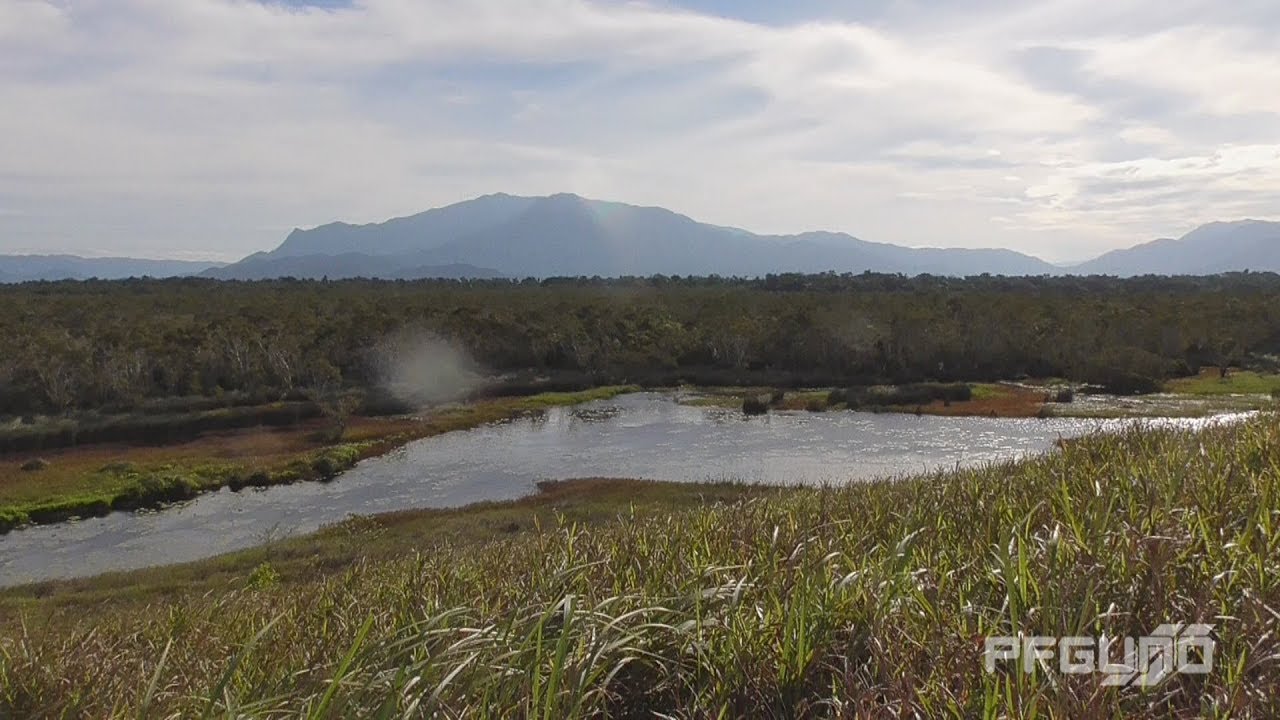
Eubenangee Swamp National Park, North Qld, Australia
Australia, Queensland, Cairns
The Eubenangee Swamp is a vast swamp in the Eubenangee Swamp National Park. This is a region of Cairns, Queensland in Australia, 1.332 km northwest of Brisbane. This landscape, exceptionally beautiful and dangerous due to crocodiles, has become an inspiration to create this biotope. Rainbowfish in this area are my favorite fish species’.
- Submitted by
- Magdalena Szubska
- Approved by
- Hans-Georg Evers & John Lenagan
- GPS
- -17.4233341, 145.9569397
- Geographical region
- Oceania
- Drainage Basin
- East Coast
- River catchment
- Russel River
- Water body type
- Wetland
- Water body name
- Eubenangee swamp
- Water body part
- Flood plain
- Water body course
- Middle course
- Water body: tributary of
- River
- Tributary name
- Russel River
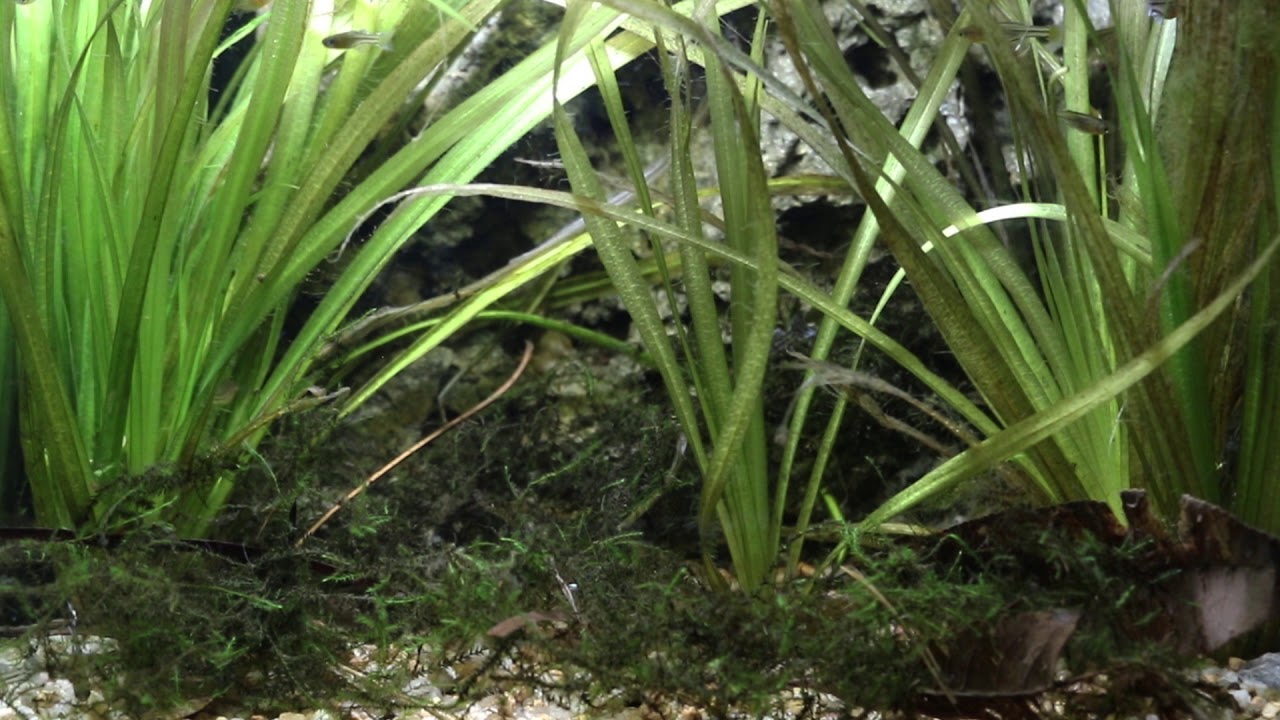
Videos above and below water
Warning: Undefined variable $fish_parent in /home/biotopea/public_html/wp-content/themes/bap/content-bin.php on line 55
Water Chemistry
Water information
- Water type
- Water color
- Clear water
- Water transparency
- Medium
- Concentration of sediments
- Medium
- Water temperature
- 22-29 °C
- Water flow/curent
- Slow
Chemical parameters
- pH
- 6.0
- Conductivity
- 50
- GH
- 10 mg/l
- dGH
- KH
- dKH
- Dissolved Oxygen
- 40 %
Substrate in nature
- Sand
- Beige
- Pebble/Gravel
- Stone
- Grey
- Stone form
- Irregular
- Silt/Mud
- Beige
- Leaves
- Driftwood
- Many
- Submerged terrestrial vegetation
- Yes
Aquatic Biotope
- Date of collecting
- September 2020
- Collecting area
- Flooded area
- Water depth
- 0,2m
- Air temperature
- 32 °C
- Sunlight
- Full sun
Environment
- Environment
- Untouched
- Surrounding area
Eubenangee Swamp is a national park in the Eubenangee region of Cairns, Queensland in Australia, 1,332 km northwest of Brisbane. It is part of the important wet tropic coastal bird area, designated as such by BirdLife International for its importance in the conservation of lowland tropical rainforest birds. It is home to over 190 species of birds, is a birdwatcher’s paradise.
The Eubenangee Swamp, an important coastal lowland wetland between Ingham and Cairns. Located below the Bellenden Ker range (Australia’s wettest part), most of this park is flooded during the rainy season. In addition to being an important habitat for waterbirds and crocodiles, the park also protects some of the last remnants of various types of lowland vegetation.
The area has high annual rainfall, most of which falls in the rainy season (December to April). These summer months are characterized by high temperatures (usually above 30°C) and very high humidity, second only to intense downpours. The winter months are very pleasant, with lower humidity and temperatures (daily range from 16 to 26°C) and frequent, bright, sunny days.
- Underwater landscape
The watercourses in this area have quite a lot of vegetation above and below the water. They are mainly grasses and reeds. There are also a lot of trees. A large amount of greenery immersed in water, as well as the roots of trees, shrubs and grasses give this place a very specific character.
The water contains stones often covered with algae, river sand and sunken pieces of wood of various sizes. The clear, slightly shaded water shows the full color palette of fish living in these areas.
Fishes:
- Melanotaenia maccullochi
- Pseudomugil gertrudae
- Giuris margaritacea
- Tilapia mariae (introduced)
- Kuhlia rupestris
- Cairnsichthys rhombosomoides
- Anguilla reinhardtii
Aquatic plants:
- Azolla filiculoides
- Azolla pinnata
- Nymphaea immutabilis
- Hydrocotyle oraria
- Ceratopteris thalictroides
- Vallisneria nana
- Marsilea sp.
Wetland plants:
- Threats to ecology
Wetlands are of great importance on a dry continent like Australia. They are a water reservoir for the areas around them. Besides this function, they are of great importance to Australian wildlife.
They are the habitat of a huge number of animals. From the smallest ones, insects, through numerous species of fish, amphibians, reptiles and birds, ending with mammals. There are species not found in other regions of the world, such as marsupials, giant Crocodylus porosus. Very important from the point of view of ecology, after last year’s fires, they inspired me to create an aquarium that, at least in part, reflects the beauty of this place.
Riparian zone
- Trees near the aquatic habitat
-
Many - Castanospermum australe
- Trees near the aquatic habitat
-
Few - Ficus benjamina
Comment by the expert
Hans-Georg Evers: Almost complete, only water chemistry can improve. Well done!
John Lenagan: The references and sitography are extensive, I sensed the participant has been to the location, the local knowledge, detailed habitat studies and images help establish a clear understanding for the Biotope, I sensed some elements used in the Biotope had been taken from a similar habitat. The water chemistry and ecosystem dynamics are well understood and reflected within this Biotope, fish selection may have been limited possibly due to co-habitation challenges?



![Cairnsichthys rhombosomoides Nichols [J. T.] & Raven [H. C.] 1928](https://biotopeaquariumproject.com/wp-content/uploads/2025/10/cairnsichthys-rhombosomoides-little-cooper-creek-northeastern-queensland-australia-kc-martin-480x320.jpg)


