bin
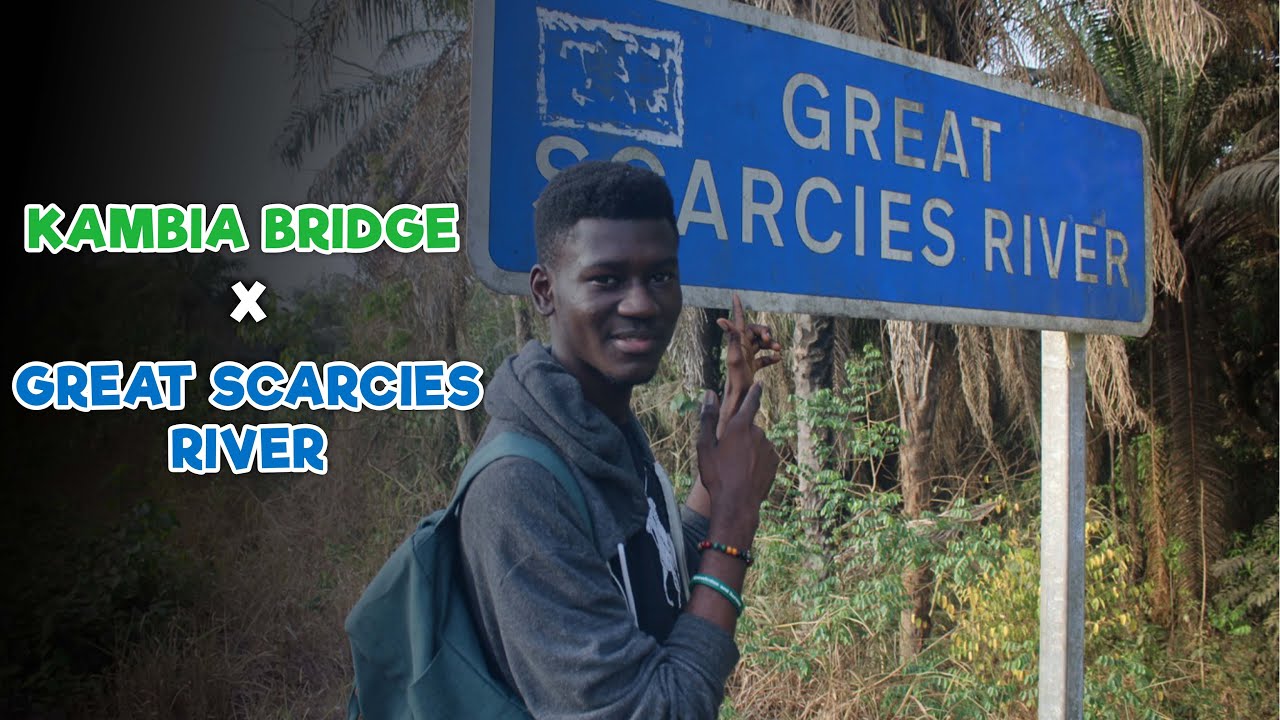
Great Scarcies Riverside, Kolenté, Guinea
Guinea, Kindia Prefecture, Maleya, Kolenté
The biotope I am going to describe is located in the Great Scarcies River, very close to the city of Kolenté. In the lower part of the Great Scarcies river its typical landscape on the banks – the mangroves – have been replaced by rice farming. The manroves in this particular area act as a natural barrier that slow down the water current, creating a calm and peaceful environment for the local inhabitants.
Mangroves are a unique vegetation formation found in tropical and subtropical coastal zones. These mangrove forests are characterized by their intricate aerial roots and their ability to thrive in brackish or saltwater. Mangroves play a crucial role in coastal protection, preventing erosion and acting as a natural buffer against storms and tides.
- Submitted by
- Ignacio Fernandez Contreras
- Approved by
- Ad Konings & Anton Lamboj
- GPS
- 10.0784998, -12.6193104
- Geographical region
- Western Africa
- Drainage Basin
- River catchment
- Great Scarcies River
- Water body type
- River
- Water body name
- Great Scarcies
- Water body part
- Mangrove
- Water body course
- Middle course
- Water body: tributary of
- Tributary name
Videos above and below water
Warning: Undefined variable $fish_parent in /home/biotopea/public_html/wp-content/themes/bap/content-bin.php on line 55
Water Chemistry
Water information
- Water type
- fresh-water
- Water color
- Mixed water
- Water transparency
- Medium
- Concentration of sediments
- Medium
- Water temperature
- 25 °C
- Water flow/curent
- Slow
Chemical parameters
- pH
- 6.5
- Conductivity
- 250
- GH
- 7 mg/l
- dGH
- KH
- 5 mg/l
- dKH
- Dissolved Oxygen
- 98 %
Substrate in nature
- Sand
- Beige
- Pebble/Gravel
- Mixed
- Stone
- Grey
- Stone form
- Roundish
- Silt/Mud
- Brown
- Leaves
- Few
- Driftwood
- Few
- Submerged terrestrial vegetation
Aquatic Biotope
- Date of collecting
- 15/07/2023
- Collecting area
- River bank
- Water depth
- 0,5m
- Air temperature
- 27 °C
- Sunlight
- Full sun
Environment
- Environment
- Human settlements
- Human settlements
- Surrounding area
The surrounding area of the river presents a unique landscape characterized by a narrow river channel nestled amidst dense mangrove forests. The river itself flows with a gentle and sluggish current, resulting in low water flow. The presence of mangroves along the riverbanks creates a stunning natural spectacle, as their intricate root systems extend into the water, forming a labyrinth of tangled roots.
The mangroves thrive in this environment, adapting to the brackish water and providing essential ecological functions. Their roots serve as a protective barrier against erosion and act as a nursery for various aquatic species. The dense foliage of the mangroves provides shade, creating a cooler microclimate and offering refuge to a diverse range of flora and fauna.
The water in the river appears turbid due to the sedimentation, which gives it a muddy or murky appearance. The sediments carried by the slow-moving current settle at the riverbed, contributing to the opaque nature of the water. Despite its turbidity, the water supports a rich ecosystem, attracting a variety of aquatic organisms.
On the opposite bank of the river, there is a noticeable absence of vegetation. This area is inhabited by human settlements, characterized by houses, structures, and cleared land for various purposes. The presence of human activity on one side of the river contrasts with the natural and pristine surroundings of the mangroves on the other side.
- Underwater landscape
The aquatic zone in this particular area exhibits a fascinating ecosystem teeming with small, stationary fish species. These fish have adapted to the unique conditions of the river, taking advantage of the muddy sediment for their feeding habits. The sediment contains a wealth of microfauna, which serves as a vital food source for these fish. They employ specialized feeding techniques to sift through the sediment, extracting small organisms and organic matter.
Within this aquatic habitat, the fish find solace and protection amidst the intricate network of roots provided by the mangroves. The tangled roots offer hiding places and shelter from predators, creating a safe haven for the fish to thrive. They navigate through the complex root systems, seeking refuge and establishing territories within this intricate underwater landscape.
Adding to the diversity of the aquatic zone, there are areas adorned with plant species such as anubias. These submerged plants bring a touch of vibrant greenery to the underwater environment. Anubias, known for their broad leaves and sturdy stems, encompass a variety of different species and variations. They provide additional hiding spots and cover for the fish, as well as potential feeding grounds for grazing species.
The combination of the sediment-rich water and the presence of microfauna creates a dynamic ecosystem where the fish, particularly the small, stationary species, thrive. They have evolved to adapt to these conditions, taking advantage of the abundant food sources and utilizing the natural structures within the aquatic environment to ensure their survival.
Overall, the aquatic zone in this area of the river, characterized by small, stationary fish species, muddy sediment, and an abundance of roots and plants, forms a captivating and intricate microcosm. The interplay between the fish, the nutrient-rich sediment, and the vegetation adds to the overall biodiversity and ecological significance of this fascinating aquatic habitat.
Fishes:
- Poropanchax normani (Procatopodidae)
Crustaceans:
- Neocaridina davidi (Atyidae)
Aquatic plants:
- Anubias barteri (Araceae)
- Anubias heterophylla (Araceae)
- Threats to ecology
The ecological balance in the vicinity of the river, considering the close proximity of the city of Kolente, is delicately influenced by human activities. As the river serves as a means of transportation and a resource for the local community, it has been subject to pollution and waste. However, due to the relatively limited exposure and human population size, the fauna and flora have managed to persist.
The city of Kolente, being situated nearby, contributes to pollution and litter that can affect the water quality and ecosystem health. Human activities, such as industrial processes, domestic waste disposal, and agricultural runoff, can introduce pollutants and contaminants into the river. These pollutants may include chemicals, nutrients, and solid waste, which can have detrimental effects on the aquatic environment if not properly managed.
Despite these challenges, the resilient fauna and flora in the area have managed to adapt and survive. The presence of the mangroves, with their robust root systems, helps filter and mitigate some of the pollution entering the river. They act as a natural buffer, trapping sediments and absorbing excess nutrients, thus reducing the impact of pollution on the aquatic ecosystem.