bin
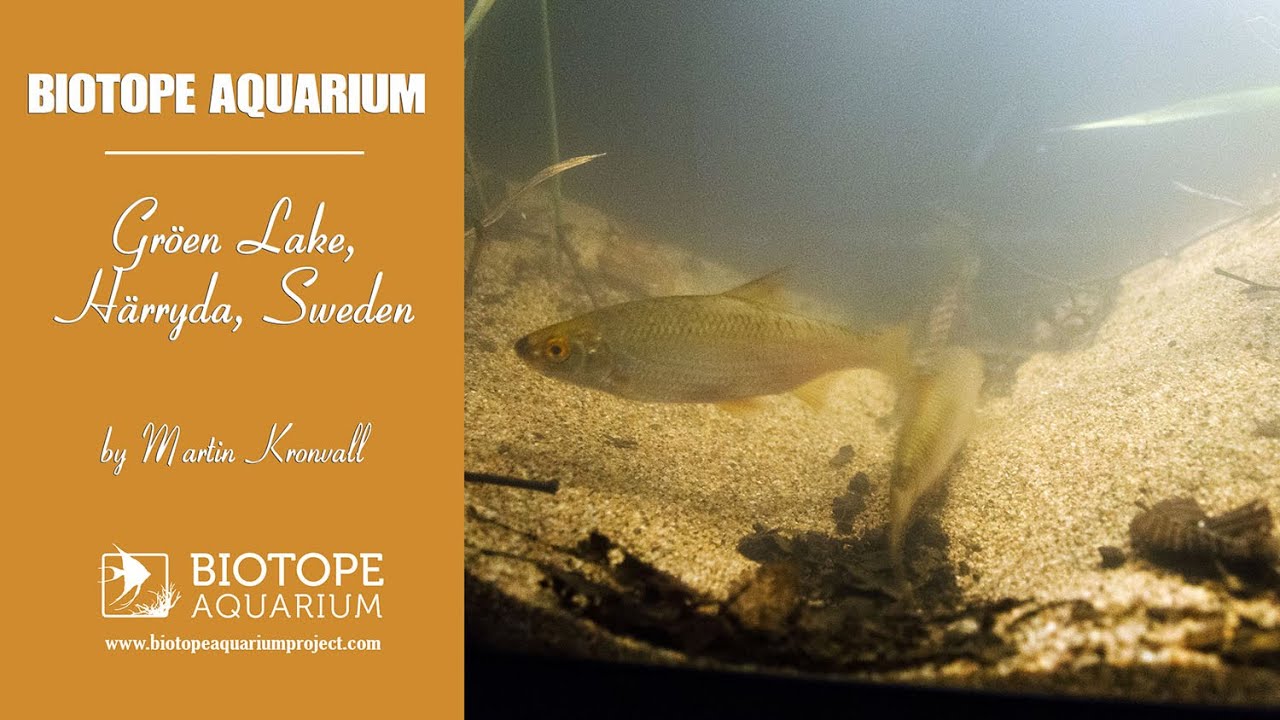
Gröen Lake, Härryda, Sweden
Sweden, Västra Götaland, Härryda
Gröen is a lake in Härryda Municipality, Sweden. Also named Landvettersjön. The lake is 21m deep, has an area of 2.18km2 and is 54.3m above sea level.
The lake is long, narrow and lies between the urban areas of Landvetter and Mölnlycke. Mölndalsån flows through the lake. The railway between Gothenburg and Borås, part of the Coast to Coast Line, is drawn along the south side of the lake. The only island in the lake is called Bockön (previously also Långenäs island) and was in the 1800s inhabited by a crofter family.
The lake has a significant role in the area as a recreational and swimming lake even though it is cold and windy due to its location. It is part of a Water Protection Area from which many residents get their drinking water.
- Submitted by
- Martin Kronvall
- Approved by
- Francesco Denitto & Aleksey Malyshev
- GPS
- 57.6794662, 12.2059860
- Geographical region
- Northern Europe
- Drainage Basin
- River catchment
- Water body type
- Lake
- Water body name
- Gröen
- Water body part
- Water body course
- Water body: tributary of
- Tributary name
Videos above and below water
Warning: Undefined variable $fish_parent in /home/biotopea/public_html/wp-content/themes/bap/content-bin.php on line 55
Water Chemistry
Water information
- Water type
- fresh-water
- Water color
- Mixed water
- Water transparency
- Low
- Concentration of sediments
- High
- Water temperature
- °C
- Water flow/curent
- Slow
Chemical parameters
- pH
- 8
- Conductivity
- 20
- GH
- 3 mg/l
- dGH
- KH
- dKH
- Dissolved Oxygen
Substrate in nature
- Sand
- Beige
- Pebble/Gravel
- Mixed
- Stone
- Mixed
- Stone form
- Irregular
- Silt/Mud
- Brown
- Leaves
- Adundant
- Driftwood
- Few
- Submerged terrestrial vegetation
- Yes
Aquatic Biotope
- Date of collecting
- 17/07/2023
- Collecting area
- Sand beach
- Water depth
- 0,2m
- Air temperature
- 20 °C
- Sunlight
- Partial shade
Environment
- Environment
- Human settlements
- Human settlements
- Urban area
- Surrounding area
Gröen, situated in Härryda, Sweden, is a serene and beautiful area that radiates tranquility and a sense of undisturbed natural beauty. It is located close to the Landvetter Airport, making it an easily accessible destination for tourists and locals alike.
This picturesque lake is nestled among a diverse landscape of lush forests and gently rolling hills, which provide an idyllic backdrop. These surrounding woods are predominantly composed of tall pines and birch trees that dapple sunlight across the forest floor, their leaves rustling gently in the Swedish breeze. The scent of damp earth, moss, and pine needles often fills the air, offering a refreshing and grounding sensation.
- Underwater landscape
The bottom of Gröen varies considerably, transitioning from sandy and soft in some areas to rocky and uneven in others. Patches of fine sand give way to pebbled areas, strewn with stones smoothed over time by the gentle lapping of water. In other areas, the floor is covered in larger rocks and boulders, forming little underwater hillocks and valleys.
Where sunlight penetrates the water, you will find an array of aquatic vegetation, like water lilies on the surface, their roots anchored in the shallower parts of the lake bed. Beneath the surface, one might find patches of submersed plants not only contributing to the lake’s biodiversity but also serve as a habitat for a variety of aquatic organisms.
Among the greenery, a delicate and intricate ecosystem thrives. Roach, perch, and other fish species native to Swedish waters dart in and out of the vegetation, feeding on smaller aquatic insects and crustaceans.
Fishlist:
- Rutilus rutilus (Cyprinidae) – common
- Perca fluviatilis (Percidae) – common
- Esox lucius (Esocidae) – common
- Tinca tinca (Cyprinidae) – sparse
Crustaceans:
- Astacus astacus (Astacidae) – moderate
Wetland plants:
- Phragmites australis (Poaceae) – common
Aquatic plants:
- Nymphaea alba (Nymphaeaceae) – common
- Threats to ecology
Given its geographical location close to both highways, airports and in the center of one of the most expansive municipals in Sweden the lakes environment is bound to be affected as a result of the urbanisation.
Land development for residential or commercial purposes can lead to habitat loss, fragmentation, and increased runoff of pollutants into the lake. Construction activities can also cause noise and light pollution, which can be disruptive to both terrestrial and aquatic wildlife.
Non-native plant or animal species, introduced either intentionally or unintentionally, can outcompete native species for resources and habitat, potentially leading to a reduction in biodiversity. They might also introduce diseases to which native species have no resistance.
Riparian zone
- Trees near the aquatic habitat
-
Few - Pinus sylvestris