bin
Huyen Tran Princess Lake, Hue, Thua Thien, Vietnam
Viet Nam, Thừa Thiên-Huế Province, Hue City
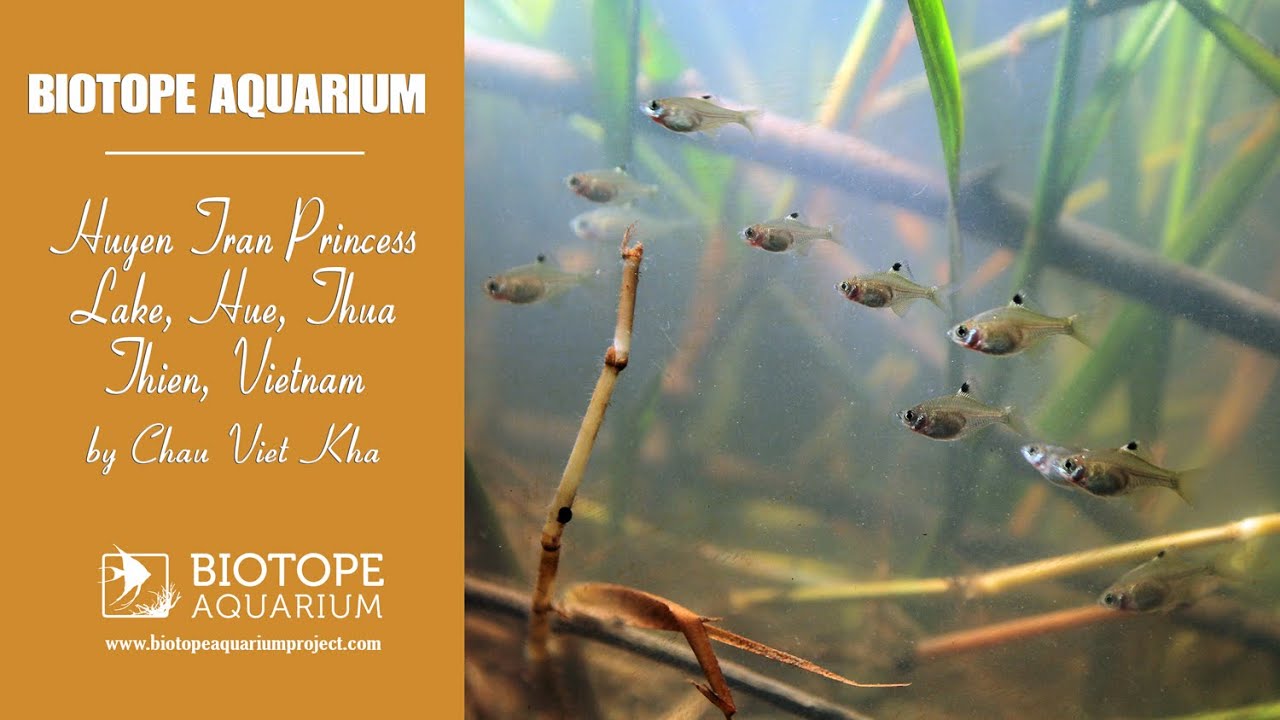
Huyen Tran Princess Lake is a large natural lake located in front of the Huyen Tran Princess historical site. It is a natural lake that has not been altered by human intervention. The area supports a rich diversity of wildlife, but I chose to focus on the shoreline because of its natural beauty and ease of observation.
- Submitted by
- Châu Viết Khá
- Approved by
- Heiko Blessin, Heok Hee Ng & Greg Martin
- GPS
- 16.4167557, 107.6085510
- Geographical region
- Southeastern Asia
- Drainage Basin
- South China Sea
- River catchment
- Perfume River (Sông Hương)
- Water body type
- Lake
- Water body name
- Huyen Tran Princess Lake
- Water body part
- Flood plain
- Water body course
- Water body: tributary of
- Lake
- Tributary name
Videos above and below water
Warning: Undefined variable $fish_parent in /home/biotopea/public_html/wp-content/themes/bap/content-bin.php on line 55
Water Chemistry
Water information
- Water type
- fresh-water
- Water color
- White water
- Water transparency
- Medium
- Concentration of sediments
- High
- Water temperature
- winter 20-24, summer 28-30 °C
- Water flow/curent
- Slow
Chemical parameters
- pH
- 6.5
- Conductivity
- GH
- 230 mg/l
- dGH
- KH
- 145 mg/l
- dKH
- Dissolved Oxygen
Substrate in nature
- Sand
- None
- Pebble/Gravel
- None
- Stone
- Stone form
- Silt/Mud
- Grey
- Leaves
- Few
- Driftwood
- Few
- Submerged terrestrial vegetation
- Yes
Aquatic Biotope
- Date of collecting
- 14 June, 2025
- Collecting area
- Flooded area
- Water depth
- 0,2m
- Air temperature
- 28 °C
- Sunlight
- Partial shade
Environment
- Environment
- Untouched
- Surrounding area
The pond located at coordinates 16.4165575, 107.6093177 lies in An Tay Ward, Hue City. It is a small natural pond situated on the outskirts of a residential area, primarily surrounded by Acacia auriculiformis (commonly known in Vietnam as “tràm bông vàng”) – a fast-growing tree widely planted on poor soils – along with a few native plant species.
The terrain gently slopes and consists of sandy loam soils, with small footpaths created by local residents. Fallen leaves from the Acacia trees accumulate year-round, decompose, and contribute to a rich organic layer, giving the pond its characteristic dark-colored water. The surrounding environment remains relatively natural and is only mildly affected by urban development
- Underwater landscape
The pond features a typical blackwater environment, rich in tannins, with a soft organic mud bottom and low water clarity. Aquatic vegetation includes species such as Azolla ferns, small water lilies (Nymphaea spp.), filamentous algae, submerged grasses, and various bottom-dwelling mosses and algae.
The pond supports small fish species like climbing perch and rice fish (Oryzias spp.), as well as invertebrates such as snails, freshwater shrimp, and aquatic insect larvae. Its shallow, plant-covered banks provide ideal shelter and breeding grounds for amphibians and waterbirds.
Fish list:
- Oryzias pectoralis (Adrianichthyidae)
- Rhodeus rheinardti (Acheilognathidae)
- Macropodus spechti (Osphoronemidae)
Crustacean list:
- Macrobrachium lanchesteri (Palaemonidae)
Aquatic plant list:
- Commelinaceae
- Nymphaeaceae
Terrastrial vegetation list:
- Urochloa distachyos (Poaceae)
- Acacia auriculiformis (Fabaceae)
- Sporobolus maritimus (Poaceae)
- Threats to ecology
At present, the pond remains largely unaffected by human activities and shows no signs of pollution from litter or wastewater.
However, extended dry and sunny periods during the dry season can cause a noticeable drop in water levels, temporarily reducing shallow habitat areas for aquatic species. Despite this, the decline has not reached critical levels, and the ecosystem continues to function within its natural seasonal cycles.
Riparian zone
- Trees near the aquatic habitat
-
Many -
Bibliography
-
1998
by Tyson Royal Roberts
-
1911
by De Man
Sitography
Comment by the expert
Heok Hee Ng: The presence of Oreochromis (if the fish in the tank were caught from the lake) may represent a threat to native fish species as an alien invasive.
Greg Martin: Well researched.