bin
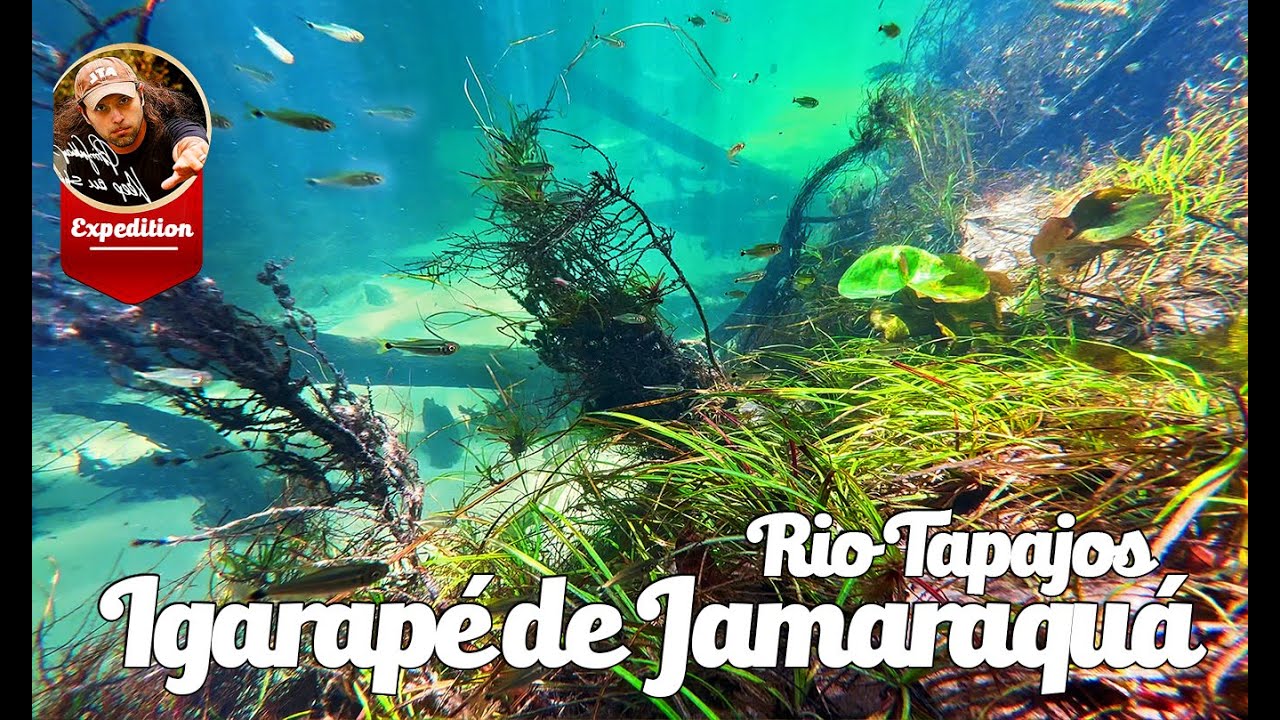
Igarapé de Jamaraquá, Belterra, Rio Tapajós tributary, Brazil
Brazil, Pará, Belterra, Santarém
The Igarapé de Jamaraquá is one of the hidden gems of the Tapajós National Forest (FLONA), renowned for its crystal-clear waters. Snorkelling enthusiasts are drawn to its exceptional visibility, which reveals the streambed, underwater structure, and fascinating plays of light. Surrounded by fish and aquatic plants, the creek offers the experience of swimming through a vast natural aquarium.
- Submitted by
- Pawel Lukasz Kocik
- Approved by
- Roberto E. Reis, Pablo C. Lehmann & Antonio Machado-Allison
- GPS
- -2.8153059, -54.9228058
- Geographical region
- South America
- Drainage Basin
- Rio Amazonas
- River catchment
- Rio Tapajós
- Water body type
- Igarapè
- Water body name
- Igarapé
- Water body part
- Water body course
- Source
- Water body: tributary of
- Rio
- Tributary name
- Tapajós
Videos above and below water
Warning: Undefined variable $fish_parent in /home/biotopea/public_html/wp-content/themes/bap/content-bin.php on line 55
Water Chemistry
Water information
- Water type
- Freshwater
- Water color
- Clear water
- Water transparency
- High
- Concentration of sediments
- No
- Water temperature
- 25°C °C
- Water flow/curent
- Strong
Chemical parameters
- pH
- Conductivity
- GH
- 1 mg/l
- dGH
- KH
- 1 mg/l
- dKH
- Dissolved Oxygen
- 6 %
Substrate in nature
- Sand
- Beige
- Pebble/Gravel
- Reddish
- Stone
- None
- Stone form
- Silt/Mud
- None
- Leaves
- Few
- Driftwood
- Few
- Submerged terrestrial vegetation
- Yes
Aquatic Biotope
- Date of collecting
- Collecting area
- Edge of reservoir
- Water depth
- 0,2m
- Air temperature
- 32 °C
- Sunlight
- Partial shade
Environment
- Environment
- Affected by human activity
- Affected by human activity
- Agriculture
- Agriculture
- Advanced
- Deforestation
- Pollution
- Human settlements
- Surrounding area
The Igarapé Jamaraquá is an ecosystem of extraordinary beauty, where the Amazon rainforest meets the clear waters of the Tapajós River. Located within the Tapajós National Forest (FLONA), this protected landscape preserves its wild, pristine character.
Terrestrial vegetation:
- Ceiba pentandra (Malvaceae)
- Underwater landscape
Igarapé Jamaraquá is what aquarium enthusiasts define as the “perfect biotope.” Unlike many Amazonian rivers with turbid waters, the visibility here is astonishing, allowing visitors to observe a submerged garden teeming with life. Sunlight filters through the dense forest canopy above, creating the so-called “God rays” (the Tyndall effect) that pierce the crystal-clear water.
The bottom, composed of fine, light-coloured sand, reflects the light, illuminating the tree roots from below. In shaded areas, the water takes on an emerald-green hue. Enormous fallen branches and samaúma roots intertwine across the bottom, creating natural labyrinths. These are often covered by a thin layer of biofilm and short algae, which the fish feed upon.
Fish
- Hemigrammus stictus (Characidae)
- Hemigrammus hyanuary (Characidae)
- Heterocharax virgulatus (Characidae)
- Nannostomus unifasciatus (Lebiasinidae)
- Holopristis ocellifer (Characidae)
- Iguanodectes variatus (Iguanodectidae)
Aquatic plants
- Cyperus helferi (Cyperaceae)
- Eleocharis fluctuans (Cyperaceae)
- Cabomba aquatica (Cabombaceae)
- Nymphaea amazonum (Nymphaeaceae)
- Threats to ecology
Despite the pristine beauty of Igarapé Jamaraquá and the Tapajós National Forest (FLONA), this region faces significant ecological challenges. The delicate balance between crystal-clear waters, giants such as the samaúma, and small characids is extremely fragile.
Igarapé Jamaraquá is not just a “beautiful place,” but a living genetic reservoir. Many of the species listed here are fundamental to understanding the evolution of life in the Tapajós Basin. Protecting this biotope will help ensure that future generations can continue to witness those “God rays” piercing the crystal-clear waters.
Riparian zone
- Trees near the aquatic habitat
-
Many -