bin
Lake Xochimilco, Mexico City, Mexico
Mexico, Mexico City, Xochimilco
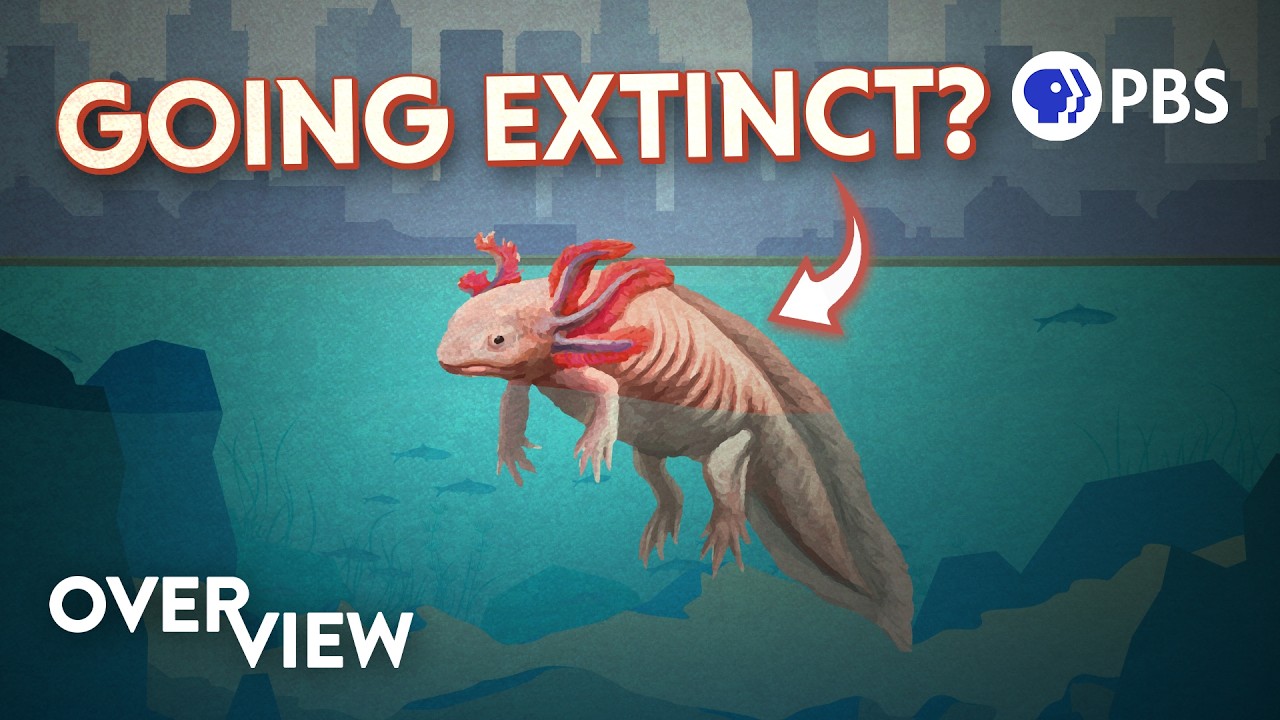
Lake Xochimilco, located in the Valley of Mexico within Mexico City, is one of the last remaining remnants of a vast network of lakes that once covered the basin. Historically formed by volcanic activity, the lake and its connected canals form a unique high-altitude aquatic ecosystem, home to the critically endangered Axolotl Ambystoma mexicanum. These neotenic salamanders are symbolic of Mexico’s biodiversity and are famous for their regenerative abilities.
Once a vast system of interconnected lakes, Xochimilco is now heavily urbanized, with floating gardens (chinampas) and slow-moving, nutrient-rich waters that are perfect for the Axolotl’s survival. Despite threats from pollution and introduced species, this habitat remains ecologically and culturally significant. It supports not only amphibians but also aquatic plants like Ceratophyllum demersum and Hydrilla verticillata, creating a peaceful, shaded biotope with mild current and high oxygenation.
- Submitted by
- Shivansh Rajpoot
- Approved by
- Michael Köck, Jairo Arroyave & Juan M. Artigas Azas
- GPS
- 19.2891579, -99.1017532
- Geographical region
- Central America
- Drainage Basin
- Lerma–Santiago Basin
- River catchment
- Lake Xochimilco Sub-basin
- Water body type
- Lake
- Water body name
- Lake Xochimilco
- Water body part
- Marsh land
- Water body course
- Middle course
- Water body: tributary of
- Tributary name
Videos above and below water
Warning: Undefined variable $fish_parent in /home/biotopea/public_html/wp-content/themes/bap/content-bin.php on line 55
Water Chemistry
Water information
- Water type
- fresh-water
- Water color
- Clear water
- Water transparency
- High
- Concentration of sediments
- No
- Water temperature
- 24 °C
- Water flow/curent
- Slow
Chemical parameters
- pH
- 7.2
- Conductivity
- 850
- GH
- 140 mg/l
- dGH
- KH
- 110 mg/l
- dKH
- Dissolved Oxygen
- 75 %
Substrate in nature
- Sand
- White
- Pebble/Gravel
- None
- Stone
- None
- Stone form
- Silt/Mud
- Brown
- Leaves
- Many
- Driftwood
- Few
- Submerged terrestrial vegetation
- Yes
Aquatic Biotope
- Date of collecting
- 20/04/2025
- Collecting area
- Shore line
- Water depth
- 0,2m
- Air temperature
- 22 °C
- Sunlight
- Partial shade
Environment
- Environment
- Affected by human activity
- Affected by human activity
- Agriculture
- Agriculture
- Massive
- Surrounding area
Lake Xochimilco, located in the southern part of Mexico City, is a remnant of a vast lake system in the Valley of Mexico. It is now a UNESCO World Heritage site and a critically endangered wetland ecosystem. The area is known for its canal systems, chinampas (ancient floating gardens), and endemic species like the Axolotl Ambystoma mexicanum. Urban expansion and pollution from surrounding settlements pose serious ecological threats. The climate is subtropical highland, with cool dry winters and warm wet summers.
- Underwater landscape
The lake features shallow, slow-moving freshwater with soft silty or sandy substrate covered in leaf litter and organic debris. Submerged roots from shoreline plants and remnants of aquatic vegetation provide shelter. The water is usually clear but can become murky during rains. Native aquatic plants are minimal due to degradation, but historically included Hydrocotyle, Myriophyllum and Lemna species. Driftwood and submerged vegetation form the primary hiding spots for aquatic fauna like the Axolotl.
Amphibian list:
- Ambystoma mexicanum (Ambystomatidae)
Aquatic plant list:
- Elodea canadensis (Hydrocharitaceae)
- Ceratophyllum demersum (Ceratophyllaceae)
- Potamogeton illinoensis (Potamogetonaceae)
- Threats to ecology
Xochimilco faces extreme environmental pressure from urbanization, invasive species (like tilapia and carp), eutrophication, and water extraction. The endemic Axolotl is now critically endangered in the wild. Agricultural runoff, untreated sewage, and loss of native vegetation further degrade water quality. Conservation efforts include captive breeding, ecological restoration of canals, and public education to preserve this unique habitat.
Riparian zone
- Trees near the aquatic habitat
-
Few -
Bibliography
-
→ Oxford University Press - The Biology of the Amphibians
by Griffiths, Richard A.
ISBN 9780198540820
-
→ Illinois Natural History Survey - Natural History of the Axolotl
by Brandon, Ronald A.
-
→ Scientific Monthly, Vol. 67, No. 1 - The Mexican Axolotl: A Quasihuman
by Smith, H.M.
-
→ Biological Conservation, Elsevier - The consequences of human modification of the aquatic habitat on Axolotl
by Zambrano, Luis et al.
ISBN 9780080454054
-
→ Evolution, Vol. 45, No. 3 - The Evolution of the Mexican Axolotl
by Shaffer, H.B., & McKnight, M.L.
Comment by the expert
Michael Köck: The description of the habitat leaves room for improvement. For example, there is no list of naturally occurring (not even historically) fish species and no detailed description of the underwater conditions in the areas where A. mexicanum occurs.
Jairo Arroyave: Despite containing a decent written description of the BIN, this entry relies visually on a video that is not really documenting and describing in any detail the actual biotope in nature. There are virtually no underwater photos or videos to use for comparison purposes with the BAM. No explicit list of inhabitants either. Only a few species of fishes are mentioned, but the actual list is longer, including many exotics. As a resident of Mexico City and someone who has conducted ichthyological surveys in the system, I am quite familiar with this biotope and was dissapointed to see a lack of adequate visual support. Nevertheless, due to my familiarity with the BIN, I was able to make a fair assessment of the BAM.
Juan M. Artigas Azas: As a native of Mexico City, I fondly remember Xochimilco and its canals. The narration brought back a very pleasant feeling.