bin
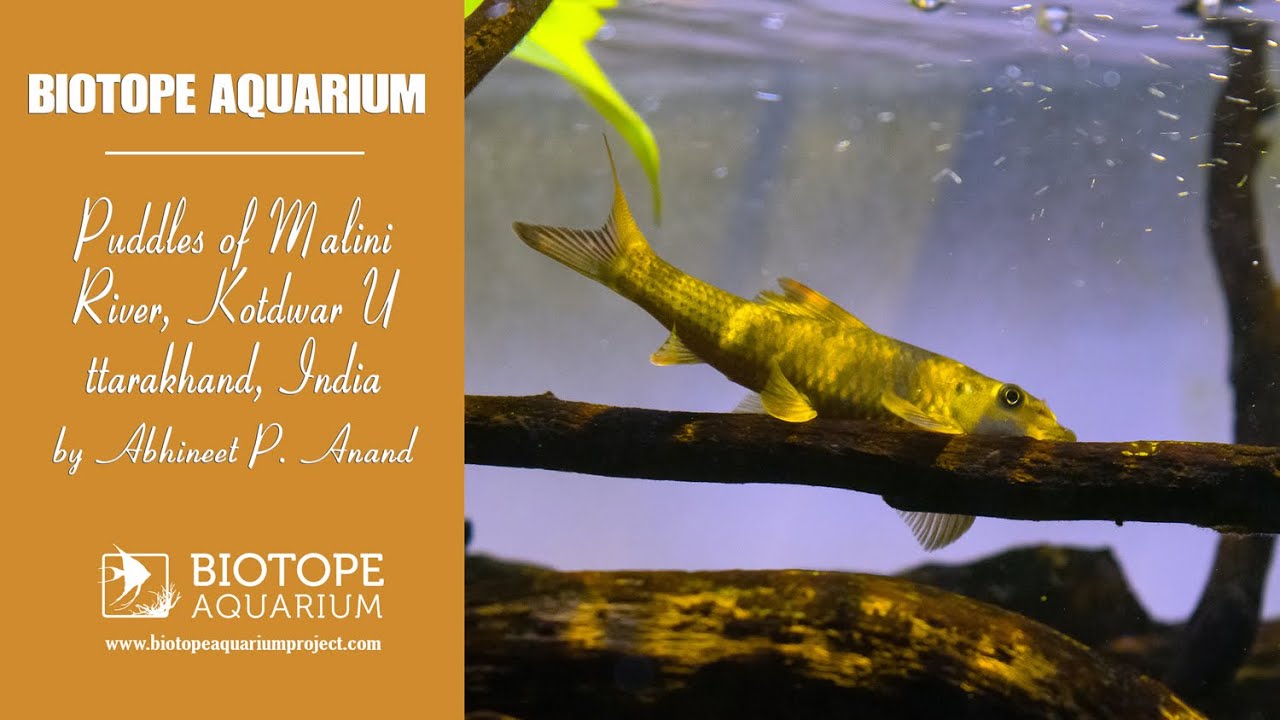
Puddles, Malini River, Kotdwar, Uttarakhand, India
India, Kanvasharam Uttarakhand, Kotdwar
The Malini River originates in the Shivalika range of Uttarakhand and flows through both Uttarakhand and Uttar Pradesh before joining the Ganga. It is a relatively short, non-perennial river. The Malini River is also known as the Ramganga.
Origin and flow: The Malini River begins in the Shivalika range of Uttarakhand. It then flows through the districts of Pauri Garhwal, Kotdwar, and Bijnor before merging with the Ganga.
Catchment area: The river’s catchment area is roughly 400km².
Length: It covers about 140-150km.
Non-perennial nature: The Malini is a non-perennial river, meaning its flow is not continuous throughout the year. Post rainy season and pre winters (October-November) the water level near Karnasharam, Uttarakhand, drops significantly thus, creating several dissected streams and small pools that traps several fishes.
The area in Uttarakhand is prone to heavy landslides during monsoon which affect the regular change in size and shape of river.
- Submitted by
- Abhineet Prakash Anand
- Approved by
- Hans-Georg Evers & Friedrich Bitter
- GPS
- 29.8192005, 78.4761963
- Geographical region
- Southern Asia
- Drainage Basin
- Ganga
- River catchment
- Ganga river
- Water body type
- Puddle
- Water body name
- Puddles of dissected streams
- Water body part
- Pool
- Water body course
- Headwaters
- Water body: tributary of
- Puddle
- Tributary name
- Malini river (Ramganga)
Videos above and below water
Warning: Undefined variable $fish_parent in /home/biotopea/public_html/wp-content/themes/bap/content-bin.php on line 55
Water Chemistry
Water information
- Water type
- fresh-water
- Water color
- Clear water
- Water transparency
- High
- Concentration of sediments
- Low
- Water temperature
- 5°C in winters, in summer 28 °C
- Water flow/curent
- Slow
Chemical parameters
- pH
- 7.0
- Conductivity
- 100
- GH
- 139 mg/l
- dGH
- KH
- dKH
- Dissolved Oxygen
Substrate in nature
- Sand
- Grey
- Pebble/Gravel
- Mixed
- Stone
- Grey
- Stone form
- Irregular
- Silt/Mud
- Grey
- Leaves
- Many
- Driftwood
- Few
- Submerged terrestrial vegetation
- None
Aquatic Biotope
- Date of collecting
- 5 November, 2024
- Collecting area
- River bank
- Water depth
- 0,2m
- Air temperature
- 28 °C
- Sunlight
- Partial shade
Environment
- Environment
- Untouched
- Surrounding area
The Malini River is not a perennial river, meaning it does not flow year-round. The area near Uttarakhand is prone to landslides in monsoon thus, flooded sand, silt, rocks, woods and fallen leaves shapes and creates a different yet beautiful landscape.
Post monsoon and pre winters (October-November) the flow of the river decline significantly and the dissected stream creates various shallow puddles that traps several fishes. Particularly fries of Mahsheer, Schistura sp., Garra sp. and several other danio and loach varieties.
The area is covered with forest of Uttarakhand and has abundant of wildlife species including elephants, leopards, spotted deer, tree snakes, rat snake, oriental green-wing, Laudakia tuberculata, Indian oakleaf butterfly and many more.
- Underwater landscape
The watercourse is abundant with rocks, pebbles and sand all mixed together. The fast flowing streams have larger rocks and sandy bottom and the slow and wide streams has a mix of sand and pebbles and few broken woods from flooded areas after monsoon season. The shallow puddles near bank of river has a plenty of dry leaves creating a beautiful underwater scape.
- Threats to ecology
The River is now becoming prone to pollution and declining water levels naturally and with human activities as well. The middle and ultimate region of the river Malini is now affected with industrial waste and sewage resulting in poor water quality.
Riparian zone
- Trees near the aquatic habitat
-
Many -