bin
Río Guarumo, Bocas del Toro, Panama
Panama, Rambala, Bocas del Toro
The province of Bocas del Toro by the Caribbean Sea in Panama, captivates anyone who approaches it – with its lush vegetation, biodiversity and a fauna that can only be found in this part of the world.
The archipielago is made up of 9 islands, 50 cays and more than 200 islets with beautiful beaches. Here there are indigenous tribes living in harmony with the land. One of the most wondeful areas on planet earth, a magical place, full of adventure and charming people.
The name “Red frog beach” comes from the reddish-coloured poison dart frogs that live in the rainforest around the beach. It is also possible to see sloths in the trees and various exotic birds.
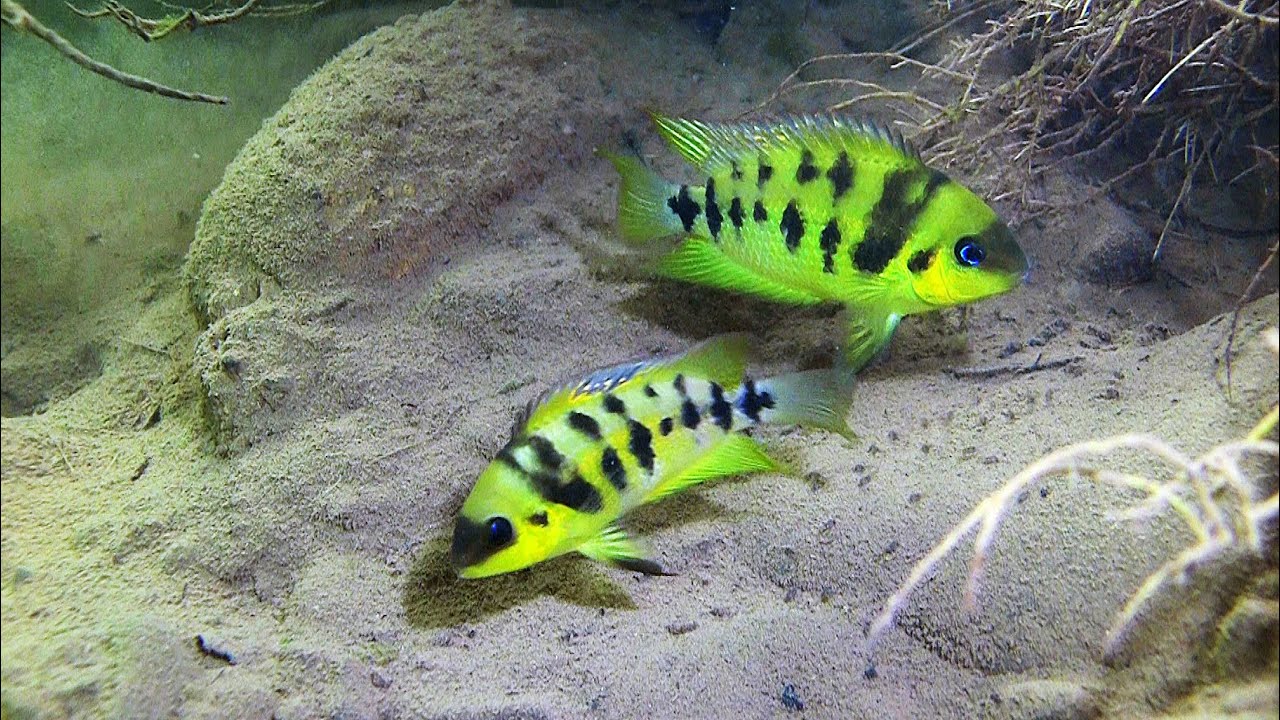
Underwater, there are hardly any plants but here live the strickling Amatitlania nanolutea and Poecilia butleri among others.
- Submitted by
- Asier Murga Arteta
- Approved by
- Michael Köck & Jairo Arroyave
- GPS
- 8.9979000, -82.1811066
- Geographical region
- Central America
- Drainage Basin
- Laguna de Chiriquí
- River catchment
- Río Guarumo
- Water body type
- Rio
- Water body name
- Guarumo
- Water body part
- Water body course
- Middle course
- Water body: tributary of
- Tributary name
Videos above and below water
Warning: Undefined variable $fish_parent in /home/biotopea/public_html/wp-content/themes/bap/content-bin.php on line 55
Water Chemistry
Water information
- Water type
- fresh-water
- Water color
- Clear water
- Water transparency
- Medium
- Concentration of sediments
- Low
- Water temperature
- 23-27 °C
- Water flow/curent
- Slow
Chemical parameters
- pH
- 7.6
- Conductivity
- 180
- GH
- 89 mg/l
- dGH
- KH
- dKH
- Dissolved Oxygen
Substrate in nature
- Sand
- Beige
- Pebble/Gravel
- Beige
- Stone
- Beige
- Stone form
- Roundish
- Silt/Mud
- Orange
- Leaves
- Many
- Driftwood
- Few
- Submerged terrestrial vegetation
- None
Aquatic Biotope
- Date of collecting
- 31 November, 2023
- Collecting area
- River bank
- Water depth
- 1,0m
- Air temperature
- Sunlight
- Filtered/dappled sun
Environment
- Environment
- Affected by human activity
- Affected by human activity
- Deforestation
- Deforestation
- Initial
- Surrounding area
The Guarumo River, in the North of Panamá, near the border with Costa Rica, is surrounded by lush tropical vegetation, with up to 300 species of plants and numerous tree species such as Guaruba, Oak, Yellow tree, Wild plum, Terminalia catappa or Higuerón. Fortunately reforestation with native species is being carried out.
It is a place where several races live together in harmony, also with the indigenous people of the Western Caribbean. Some make their living from agriculture, mainly banana and cocoa plantations, and others from tourism, taking advantage of the proximity of beautiful beaches and their flora and fauna.
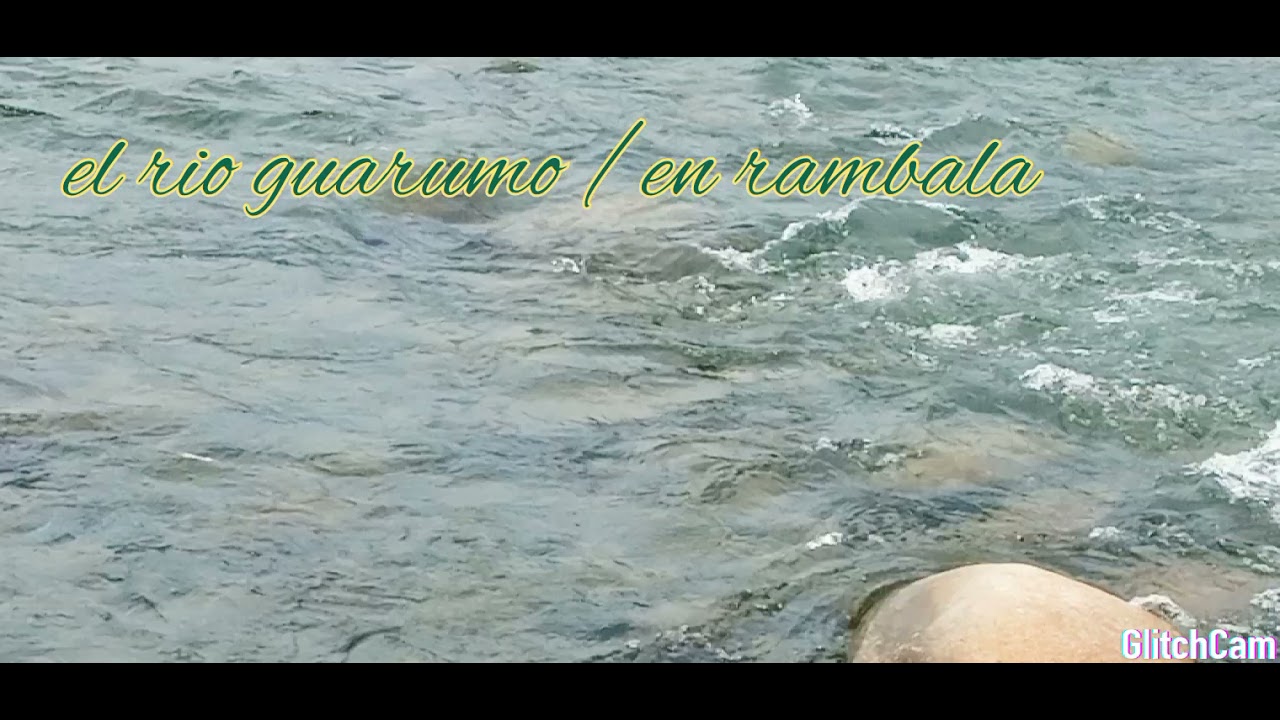
The Guarumo River is short but very fast-flowing, although during the rainy season, the current is much slower, but it does not dry up.
- Underwater landscape
At the bottom of the clear waters of the Guarumo River, rocks predominate, some covered with algae, of different shapes and sizes, which occupy practically the entire flow of the river, and some sands and sediment can be seen in the riverbank areas.
There also quiet a few leaves from the trees on the banks, branches and trunks dragged by the current.
There is no vegetation under the waters, except for some riverside moss.
Fishlist:
- Amatitlania nanolutea (Cichlidae)
- Amatitlania nigrofasciata (Cichlidae)
- Cribroheros alfari (Cichlidae)
- Chuco microphthalmus (Cichlidae)
- Poecilia butleri (Poecilidae)
- Poecilia mexicana (Poecilidae)
- Poecilia gilii (Poecilidae)
- Brachylophus sp. (Poecilidae)
- Phallichthys amates (Poecilidae)
Aquatic mosses:
- Leptodictyum riparium (Amblystegiaceae)
- Threats to ecology
Apart from climate change and human pollution of the river, due to various bad practices, there is a local problem that can affect the fish in the river.
The “Encapsulated project of the Guarumo River”, in Chiriquí Grande District is a large excavation where the water can be stored to raise a wall, so that the areas inhabited by people in times of heavy rainfall are not flooded.
But for this purpose part of the land has been destroyed, something that is artificial is never good for nature, although it seems to be justified and is for the wellbeing of the people.
Riparian zone
- Trees near the aquatic habitat
-
Many - Cariniana pyriformis (Lacythidaceae)
- Trees near the aquatic habitat
-
Many - Erythrina fusca (Fabaceae)
- Trees near the aquatic habitat
-
Many - Swietenia macrophyla (Meliaceae)
- Trees near the aquatic habitat
-
Many - Terminalia catappa (Combretaceae)
- Trees near the aquatic habitat
-
Many - Andina inermis (Fabaceae)
- Trees near the aquatic habitat
-
Many - Dipteryx panamensis (Fabaceae)
- Trees near the aquatic habitat
-
Many - Samanea saman (Fabaceae)
- Trees near the aquatic habitat
-
Many - Hieronyma alchorneoides (Phylanthaceae)
- Trees near the aquatic habitat
-
Many - Sterculia apetala (Malvaceae)
- Trees near the aquatic habitat
-
Many - Pterocarpus rohrii (Fabaceae)
- Trees near the aquatic habitat
-
Many - Pouteria sapota (Sapotaceae)
- Trees near the aquatic habitat
-
Many - Pachika sessiris (Malvaceae)
- Trees near the aquatic habitat
-
Many - Ormosa macrocalyx (Fabaceae)
- Trees near the aquatic habitat
-
Many - Pterocarpus officinalis (Fabaceae)
- Trees near the aquatic habitat
-
Many - Cedrela adorata (Malvaceae)
- Trees near the aquatic habitat
-
Many - Vochysia farruginea (Vochysiaceae)
- Trees near the aquatic habitat
-
Many - Musa paradisiaca (Malvaceae)
Sitography