bin
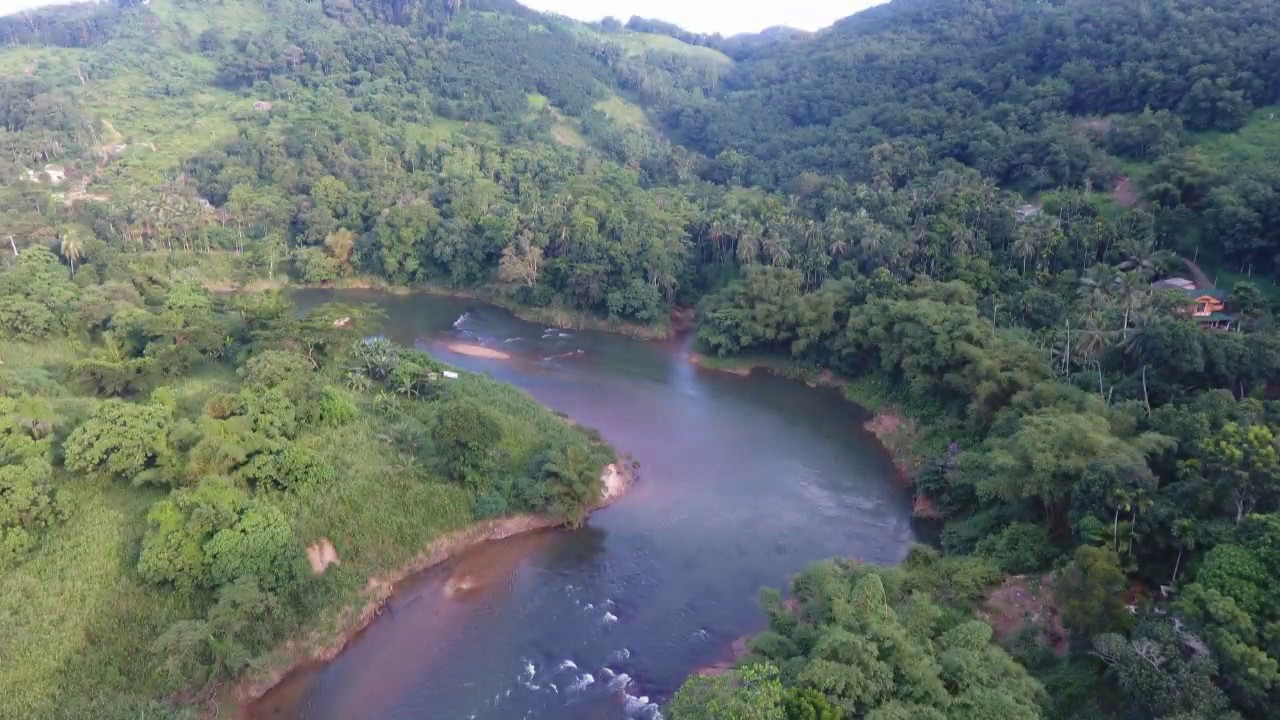
Shallow tributary of Kelani River, Sri Lanka
Sri Lanka, Nuwara Eliya, Sabaragamuwa
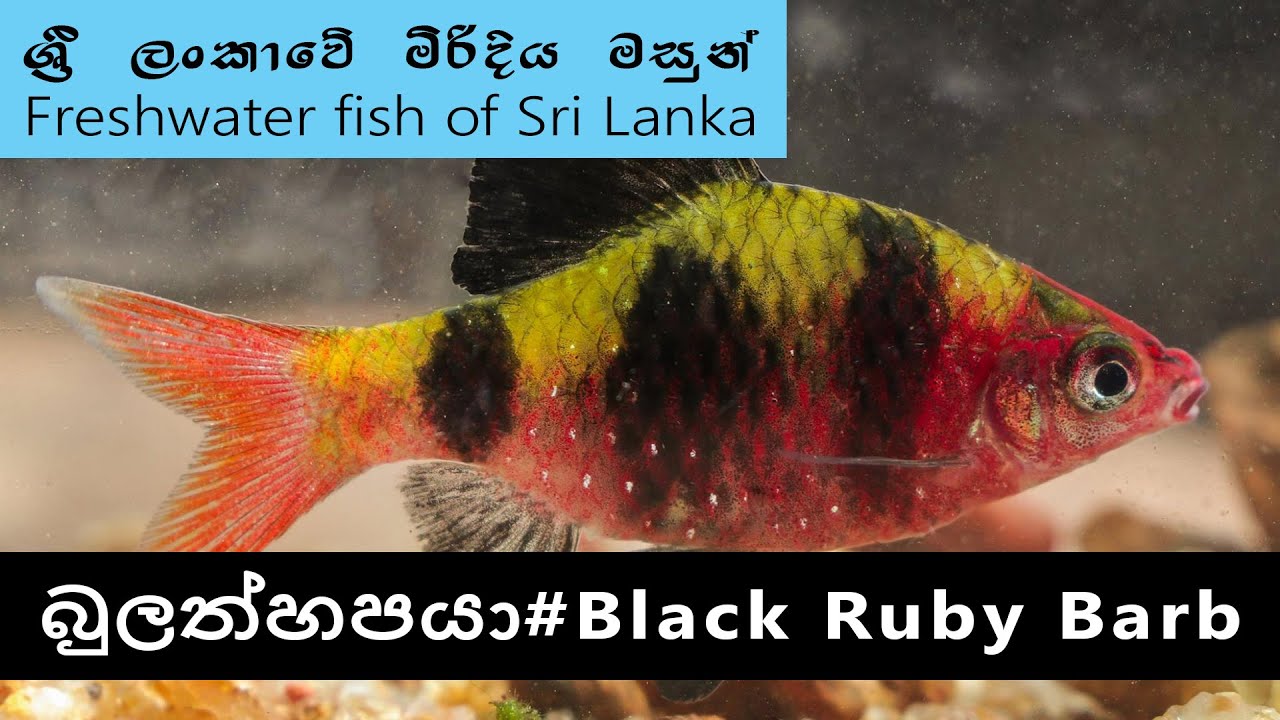
The Kelan River is the fourth longest river in Sri Lanka, approximately 145km long. It’s stretches from Sri Pada Mountain Range to all the way to Colombo, and flows through several districts like Ratnapura, Colombo, Kegalle, Gampaha and Nuwara Eliya. The River also flows through the capital of Sri Lanka, and provides 80% of its drinking water. The Kelani River has several tributaries like We Oya, Kehelgamu Oya, Gurugoda Oya and Maskeli Oya. Many hydroelectric power stations have been built along the River, which are responsible for the energy supply of the island, and it is also used for transport, fishing, sewage disposal and sand mining. The area has a very rich flora and fauna, several endemic fish species can be found in the River for example Garra ceylonensis, Pethia nigrofasciata, Puntius titteya and Belontia signata.
- Submitted by
- Klementina Keresztes-André
- Approved by
- Friedrich Bitter & Sujoy Banerjee
- GPS
- 6.9753637, 80.1508026
- Geographical region
- Southern Asia
- Drainage Basin
- River catchment
- Kelani River
- Water body type
- River
- Water body name
- Shallow tributary of Kelani River
- Water body part
- Flood plain
- Water body course
- Water body: tributary of
- Tributary name
Videos above and below water
Warning: Undefined variable $fish_parent in /home/biotopea/public_html/wp-content/themes/bap/content-bin.php on line 55
Water Chemistry
Water information
- Water type
- fresh-water
- Water color
- Clear water
- Water transparency
- High
- Concentration of sediments
- Low
- Water temperature
- 25 °C
- Water flow/curent
- Slow
Chemical parameters
- pH
- 6
- Conductivity
- GH
- 178 mg/l
- dGH
- KH
- 0
- dKH
- Dissolved Oxygen
Substrate in nature
- Sand
- Beige
- Pebble/Gravel
- Mixed
- Stone
- Black
- Stone form
- Irregular
- Silt/Mud
- Brown
- Leaves
- Few
- Driftwood
- Many
- Submerged terrestrial vegetation
Aquatic Biotope
- Date of collecting
- Collecting area
- Water depth
- Air temperature
- Sunlight
Environment
- Environment
- Affected by human activity
- Affected by human activity
- Deforestation
- Deforestation
- Advanced
- Surrounding area
Kelani River is the fourth largest river in Sri Lanka, the River springs from the Sri Pada Mountain Range, which is a sacred place for the locals. The River curves for 145km towards Colombo. Makandawa Forest Reserve is one of the most diverse nature reserves along the River, covering 1155 hectares in the Kelan River Valley.
Rhis area is a popular tourist destination, many people visit it for hiking and rafting, and researchers regularly visit the place with has got rich flora and fauna. The area is dominated by the tropical rainforest, which makes the climate quite humid and warm, but the streams under the trees are relatively cool. There are more than 50 rare bird species in the area for example Green-billed coucal, Yellow-fronted barbet or Ceylon lorikeet. There are also several endemic fish species like Pethia nigrofasciata, Systomus asoka, Systomus pleurotaenia and Garra ceylonensis.
- Underwater landscape
The Kelan River has many faces, which are greatly influenced by the periodic monsoons. The River swells due to the large amount of water coming from the its tributary area during the rainy periods, and flooding the surrounding areas. During the dry season, the River is calm and the water is clear.
Many smaller streams and rivers flow into the Kelan River, which have sandy substrate. Depending on the topography, the riverbed is covered with smaller and bigger rocks and stones, and due to the dense forest there are many driftwoods in the water. On the slower-flowing sections, the substrate is covered with leaves, and different branches and roots. Flooded terrestrial vegetation is common, but there are also many species of plants found in aquaristics, for example Cryptocoryne wendtii, Cryptocoryne beckettii, Ceratophyllum demersum and Blyxa species.
Fishlist:
- Rasboroides vaterifloris (Cyprinidae)
- Puntius bimaculatus (Cyprinidae)
- Puntius kelumi (Cyprinidae)
- Puntius titteya (Cyprinidae)
- Dawkinsia singhala Cyprinidae()
- Pethia nigrofasciata (Cyprinidae)
- Schistura notostigma (Nemacheilidae)
- Mystus vittatus (Bagridae)
- Aplocheilus werneri (Aplocheilidae)
- Channa orientalis (Channidae)
- Malpulutta kretseri (Osphronemidae)
- Mastacembelus armatus (Mastacembelidae)
- Aplocheilus dayi (Aplocheilidae)
- Puntius dorsalis (Cyprinidae)
- Rasboroides pallidus (Danioninae)
- Barbus cumingi (Cyprinidae)
- Sicyopterus griseus (Oxudercidae)
- Sicyopus jonklaasi (Oxudercidae)
Amphibian:
- Nasikabatrachus sahyadrensis (Nasikabatrachus)
Aquatic plants:
- Cryptocoryne beckettii (Araceae)
- Cryptocoryne wendtii (Araceae)
- Cryptocoryne undulata (Araceae)
- Cryptocoryne thwaitesii (Araceae)
- Aponogeton natans (Aponogetonaceae)
- Lagenandra praetermissa (Araceae)
- Ceratophyllum demersum (Ceratophyllaceae)
- Blyxa octandra (Hydrocharitaceae)
- Threats to ecology
Rain forests around the Kelani River are home to many rare and endangered species, but some of them are at risk due to large-scale logging. Today, logging is better regulated on the island, and tree planting helps the regeneration of forests.
The River is crucial for the island’s electricity production. Several hydroelectric power stations have been built near the Kelani River, which supply electricity to the surrounding settlements.
The locals make their money fishing on the River, but sand mining is also an important source of funds, however this seriously makes worse the water quality and the River basin is deepened by 10 centimetres per year, thereby increasing the risk of flooding.
The River also provides 80% of Colombo’s drinking water, but the problem is that the waste water was drained directly into the river, which put many species of fish at risk. With my aquarium I tried to capture an untouched area where human influences do not threaten the flora and fauna.
Riparian zone
- Trees near the aquatic habitat
-
Many -
Comment by the expert
Friedrich Bitter: The videos and photos reveal a great deal about this special habitat and its inhabitants.
Sujoy Banerjee: Well researched biotope. Has good reference both as video, PDF books Etc.