bin
Tisza Lake, Geat Hungarian Plain, Hungary
Hungary, Great Hungarian Plain, Tisza
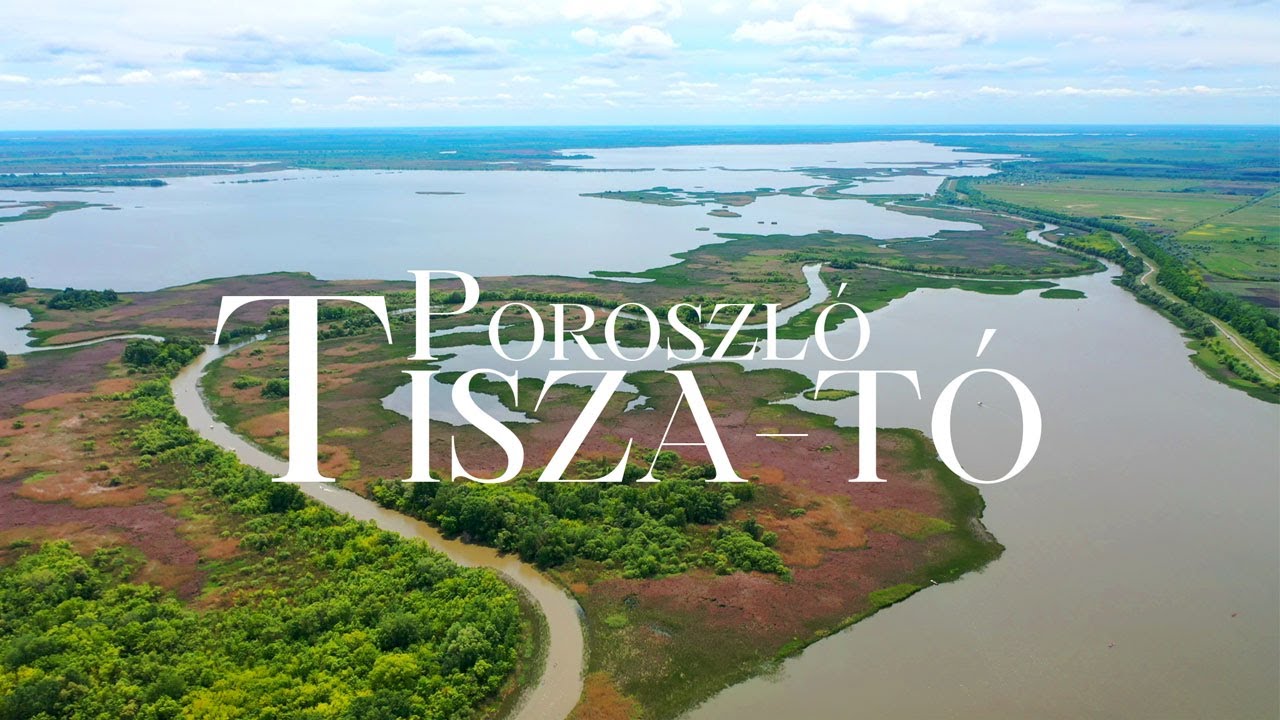
Tisza Lake is located in the northern part of the Great Hungarian Plain, on the border of Borsod-Abaúj-Zemplén, Heves and Jász-Nagykun-Szolnok counties.
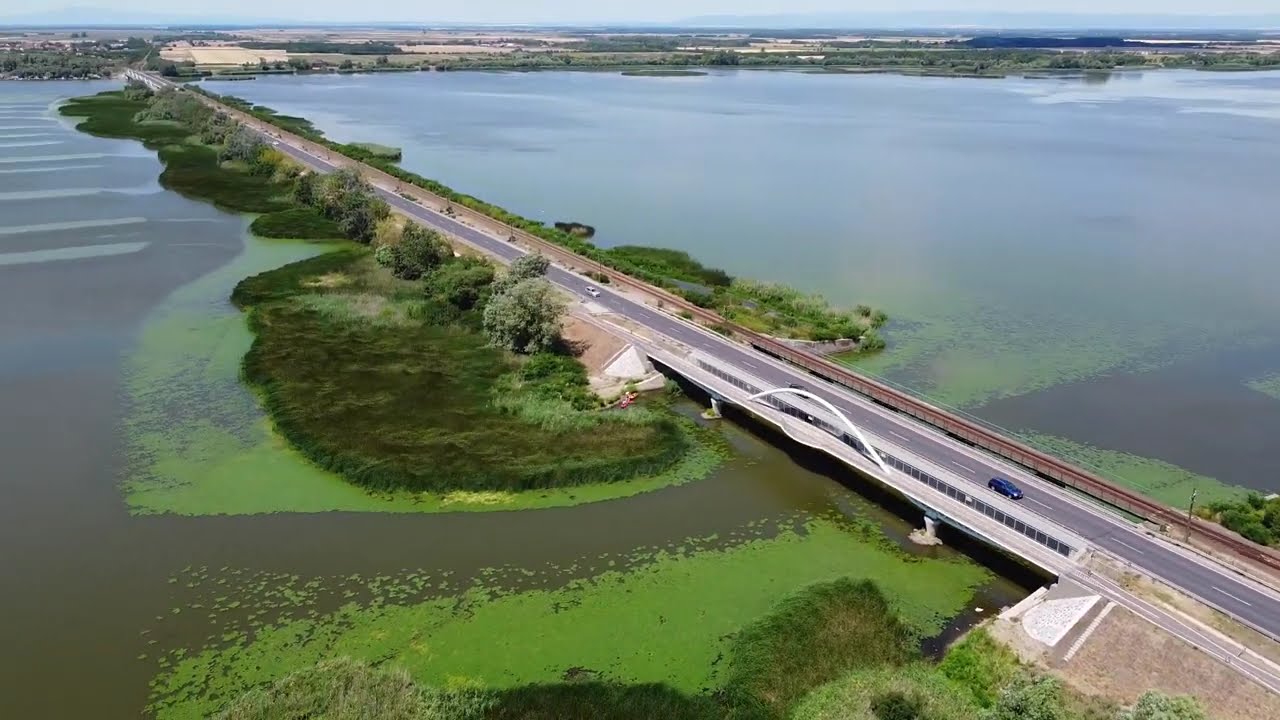
Between 1967 and 1973, the Kisköre Power Plant was built with a dam for regulation of Tisza floods and more efficient water supply to the Great Plain. Its filling was completed in 1978. The water of the artificial Lake covered former backwaters, watercourses, pastures, forests and arable lands.
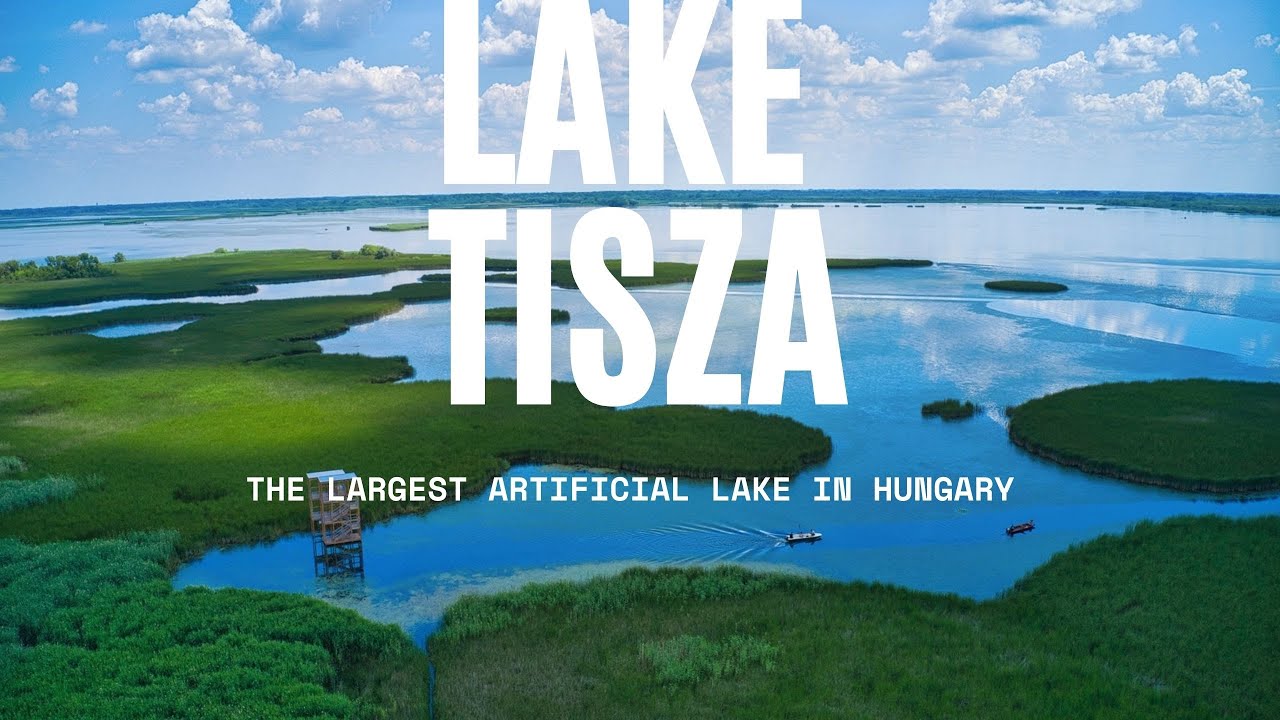
The area of the Lake is 127km², on which open water surfaces, islands, backwaters, shallow channels alternate. The Lake’s length is 27km, the average depth is 1.3m, but at the deepest point it is 17m deep.
It has a diverse flora and fauna. 124 bird species nest in the lake’s area, so there is a bird reservation on the north coast of the lake. There are more than 30 species of fish in the lake, from which it is highly protected like Zingel zingel, Misgurnus fossilis and Umbra krameri.
It has been the UNESCO World Heritage Site since 1999.
- Submitted by
- Klementina Keresztes-André
- Approved by
- Francesco Denitto & Aleksey Malyshev
- GPS
- 47.5638428, 20.6345558
- Geographical region
- Eastern Europe
- Drainage Basin
- Danube
- River catchment
- Tisza
- Water body type
- Lake
- Water body name
- Tisza Lake
- Water body part
- Pool
- Water body course
- Water body: tributary of
- River
- Tributary name
- Tisza
Videos above and below water
Warning: Undefined variable $fish_parent in /home/biotopea/public_html/wp-content/themes/bap/content-bin.php on line 55
Water Chemistry
Water information
- Water type
- fresh-water
- Water color
- Clear water
- Water transparency
- Medium
- Concentration of sediments
- High
- Water temperature
- 2-22 °C
- Water flow/curent
- Slow
Chemical parameters
- pH
- 7.0
- Conductivity
- GH
- 10 mg/l
- dGH
- KH
- 3 mg/l
- dKH
- Dissolved Oxygen
- 60 %
Substrate in nature
- Sand
- Beige
- Pebble/Gravel
- Grey
- Stone
- Grey
- Stone form
- Roundish
- Silt/Mud
- Brown
- Leaves
- Few
- Driftwood
- Many
- Submerged terrestrial vegetation
- Yes
Aquatic Biotope
- Date of collecting
- Collecting area
- Water depth
- Air temperature
- Sunlight
Environment
- Environment
- Affected by human activity
- Affected by human activity
- Agriculture
- Agriculture
- Little
- Surrounding area
Tisza Lake is the second largest lake in Hungary, which is located in the northern part of the Great Hungarian Plain. On the 127km² of the Lake, countless islands, backwaters and shallow channels alternate with huge open water areas, forming a characteristic, so-called mosaic landscape.
This diverse living space is home to a very rich ecosystem, which has made it the fourth demonstration area of the Hortobágy National Park. The water level is controlled artificially using dams: in spring, the water catchment areas of the Lake are replenished with the help of the Tisza River. The fish travel through artificial fish ladder between the river and the lake.
The coast is dominated by the marsh vegetation, the typical plants are Typha latifolia, Typha angustifolia, Schoenoplectus lacustris, Phragmites australis, Carex acuta and Glyceria maxima. The most of the forests around the lake are man-made, and for this reason, they carefully monitor the condition of the coastal and aquatic vegetation. Workers of the area regularly cut aquatic plants using boats and nets, because they are able to overgrow the entire body of water in the lake.
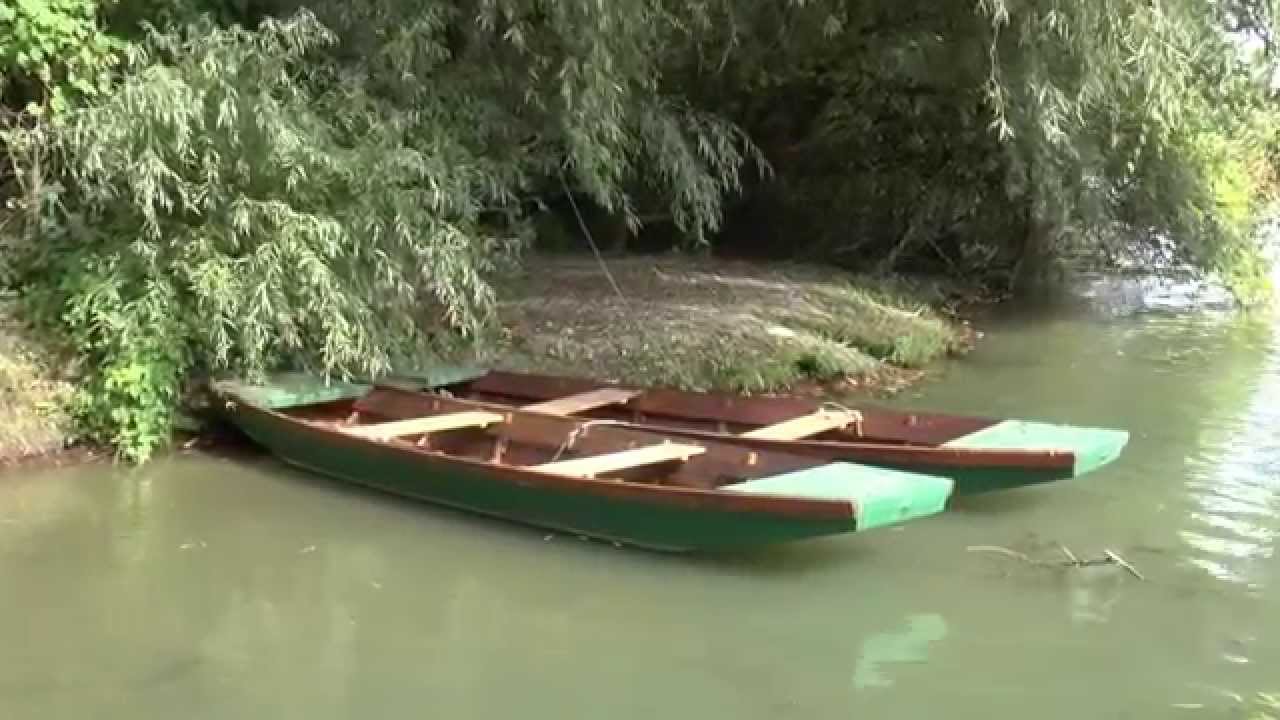
The area of the lake is a popular target for nature lovers, where besides the Bird Reserve and the Ecocenter, they also organize kayak-canoe tours where participants can observe the wildlife very closely. Tourists can meet European otter, European beaver, wild boar, black stork and different species of water birds.
- Underwater landscape
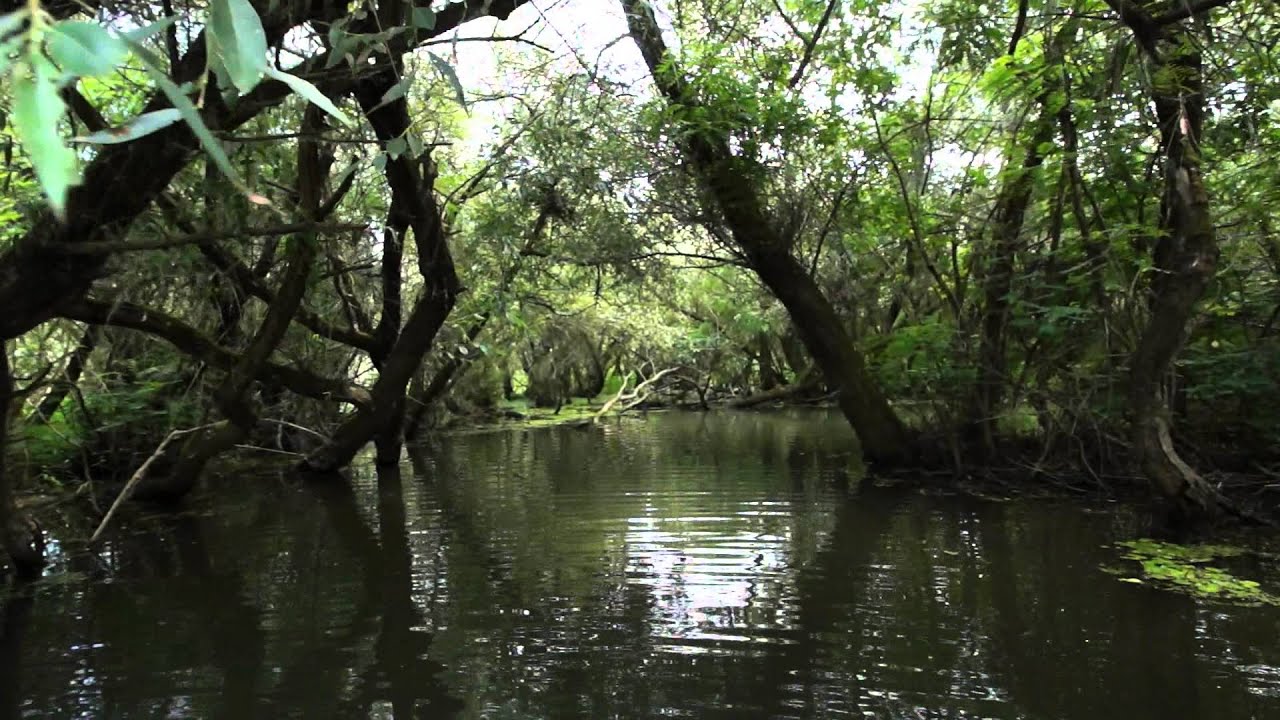
The lakebed is sand and gravel because of the Tisza River, on which there is a layer of silt was formed by the slow flow of water. The topography of the lake bottom is not very diverse, because it was created artificially to store water. Due to the trees along the lakeshore, there are many branches, roots and fallen leaves in the water.
The aquatic vegetation is very abundant, with seaweeds like Ceratophyllum demersum, Potamogeton crispus and Potamogeton perfoliatus forming large islands. Tisza Lake has an extensive floodplain, where the water is shallow and due to floods many coastal plants are submerged, providing a great hiding place for smaller fish and fry.
Fish list:
- Silurus glanis (Siluridae)
- Umbra krameri (Umbridae)
- Misgurnus fossilis (Cobitidae)
- Acipenser ruthenus (Acipenseridae)
- Rutilus rutilus (Cyprinidae)
- Scardinius erythrophthalmus (Cyprinidae)
- Leuciscus idus (Cyprinidae)
- Blicca bjoerkna (Cyprinidae)
- Abramis brama (Cyprinidae)
- Abramis sapa (Cyprinidae)
- Abramis ballerus (Cyprinidae)
- Leuciscus aspius (Cyprinidae)
- Tinca tinca (Cyprinidae)
- Romanogobio albipinnatus (Cyprinidae)
- Rhodeus sericeus (Cyprinidae)
- Cyprinus carpio (Cyprinidae)
- Carassius auratus gibelio (Cyprinidae)
- Carassius carassius (Cyprinidae)
- Cobitis taenia (Cobitidae)
- Ameiurus melas (Ictaluridae)
- Esox lucius (Esocidae)
- Perca fluviatilis (Percidae)
- Gymnocephalus baloni (Percidae)
- Gymnocephalus schraetser (Percidae)
- Zingel zingel (Percidae)
- Zingel streber (Percidae)
- Perccottus glenii (Odontobutidae)
- Proterorhinus semilunaris (Gobiidae)
- Anodonta cygnea (Unionidae)
- Corbicula fluminea (Cyrenidae)
- Lymnaea stagnalis (Lymnaeidae)
- Lithoglyphus naticoides (Lithoglyphidae)
- Planorbarius corneus (Planorbidae)
- Astacus astacus (Astacidae)
- Faxonius limosus Cambaridae
Aquatic vegetation:
- Nymphaea alba (Nymphaeaceae)
- Nuphar lutea (Nymphaeaceae)
- Trapa natans (Lythraceae)
- Nymphoides peltata (Menyanthaceae)
- Salvinia natans (Salviniaceae)
- Utricularia vulgaris (Lentibulariaceae)
- Ceratophyllum demersum (Ceratophyllaceae)
- Hydrocharis morsus-ranae (Hydrocharitaceae)
- Potamogeton natans (Potamogetaceae)
- Potamogeton crispus (Potamogetaceae)
- Potamogeton perfoliatus (Potamogetaceae)
- Ranunculus aquatilis (Ranunculaceae)
- Lemna minor (Araceae)
- Lemna trisulca (Araceae)
- Stratiotes aloides (Hydrocharitaceae)
Wetland plant:
- Typha angustifolia (Typhaceae)
- Typha latifolia (Typhaceae)
- Schoenoplectus lacustris (Cyperaceae)
- Butomus umbellatus (Butomaceae)
- Sparganium erectum (Typhaceae)
- Mentha pulegium (Lamiaceae)
- Lycopus europaeus (Lamiaceae)
Aufwuchs:
- Populus alba (Salicaceae)
- Populus nigra (Salicaceae)
- Salix alba (Salicaceae)
- Ulmus laevis (Ulmaceae)
- Robinia pseudoacacia (Fabaceae)
- Threats to ecology
The Tisza Lake’s area is home to a truly diverse flora and fauna, where more than 120 species of birds, 11 amphibians, 12 mammals and more than 30 species of fish are found.
It plays an important role in the reproduction of different fish species, and in addition, many protected species can be found here for example Acipenser ruthenus, Romanogobio albipinnatus, Zingel zingel and Umbra krameri.
The workers of the Lake do outstanding work in ecotourism and education, as we can preserve the wildlife easier through the dissemination of knowledge.
Riparian zone
- Trees near the aquatic habitat
-
Many -
Bibliography
-
→ Hydrochemical Assessment of the Kisköre Reservoir (Lake Tisza) and the Impacts of Water Quality on Tourism Development
by Tamás Mester, Borbála Benkhard, Mária Vasvári, Péter Csorba, Emőke Kiss, Dániel Balla, István Fazekas, Eduárd Csépes, Ayoub Barkat, György Szabó
-
→
by Balázs A. LUKÁCS, György DÉVAI and Béla TÓTHMÉRÉSZ
Comment by the expert
Francesco Denitto: Well described. Many details supplied. The Youtube video helps a lot to well understand the BIN presented by the aquarium owner.
Aleksey Malyshev: –