bin
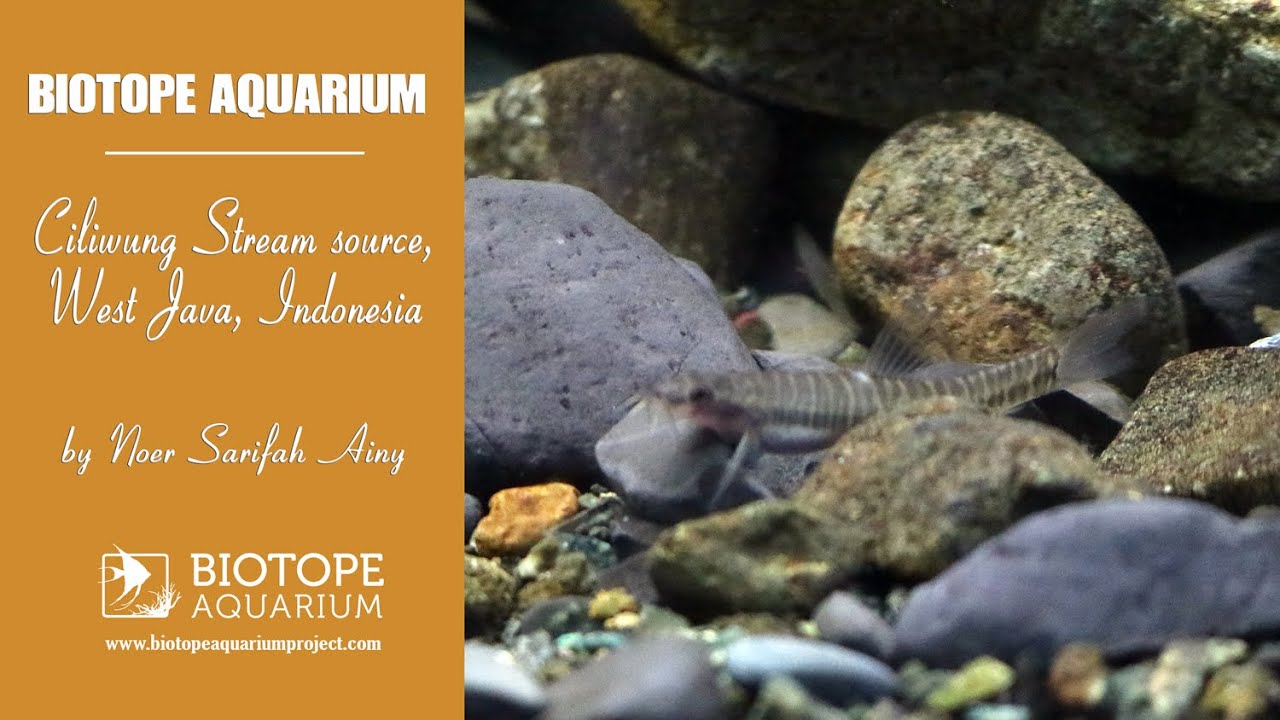
Upper Sungai Ciliwung, West Java, Indonesia
Indonesia, West Java, Bogor
The upper Ciliwung River ecosystem is located in the highland areas of Bogor Regency, West Java, Indonesia, originating from the slopes of Mount Gede Pangrango. This ecosystem is characterized by cool temperatures, high rainfall, and dense vegetation, including tropical montane forests, agroforestry systems, and community-managed lands. The river flows through forested and rural landscapes, providing essential ecological services such as water regulation, erosion control, and habitat for a wide range of aquatic and terrestrial species.
The upper Ciliwung is home to various native freshwater fish, amphibians, and macroinvertebrates, many of which are sensitive to changes in water quality. Riparian vegetation – such as bamboo groves, ferns, and native trees – plays a vital role in maintaining the ecological integrity of the riverbanks. The surrounding area also supports traditional agricultural practices, including rice fields and home gardens, which coexist harmoniously with the natural elements of the watershed.
- Submitted by
- Noer Sarifah Ainy
- Approved by
- Heiko Blessin, Heok Hee Ng & Greg Martin
- GPS
- -6.6568532, 106.8100662
- Geographical region
- Southeastern Asia
- Drainage Basin
- Java Sea, via Jakarta Bay
- River catchment
- Cisadane–Ciliwung Basin
- Water body type
- River
- Water body name
- Ciliwung Hulu
- Water body part
- Rapids
- Water body course
- Headwaters
- Water body: tributary of
- Tributary name
Videos above and below water
Warning: Undefined variable $fish_parent in /home/biotopea/public_html/wp-content/themes/bap/content-bin.php on line 55
Water Chemistry
Water information
- Water type
- fresh-water
- Water color
- Clear water
- Water transparency
- Medium
- Concentration of sediments
- Low
- Water temperature
- 21 °C
- Water flow/curent
- Strong
Chemical parameters
- pH
- 5.7
- Conductivity
- GH
- dGH
- KH
- dKH
- Dissolved Oxygen
- 5 %
Substrate in nature
- Sand
- Beige
- Pebble/Gravel
- Beige
- Stone
- Grey
- Stone form
- Irregular
- Silt/Mud
- None
- Leaves
- Few
- Driftwood
- Few
- Submerged terrestrial vegetation
- None
Aquatic Biotope
- Date of collecting
- 17 July, 2025
- Collecting area
- River bank
- Water depth
- 1,0m
- Air temperature
- Sunlight
- Full sun
Environment
- Environment
- Affected by human activity
- Affected by human activity
- Deforestation
- Deforestation
- Advanced
- Surrounding area
The area surrounding the upper Ciliwung River is located in the mountainous region of West Java, particularly within Bogor Regency, near the slopes of Mount Gede Pangrango. This region features a mosaic of natural and rural landscapes, including dense tropical highland forests, tea plantations, vegetable farms, and traditional villages. The terrain is hilly and lush, creating a cool and humid climate typical of highland environments.
The surrounding landscape is rich in biodiversity and plays a crucial role in water catchment for the greater Jakarta region downstream. Small streams, springs, and waterfalls are common throughout the area, feeding into the main river channel. The presence of protected forest areas and nearby national parks—such as Mount Gede Pangrango National Park—further enhances the region’s ecological significance.
Despite its natural beauty, the area faces environmental challenges such as land conversion, informal settlements, and the pressures of increasing tourism. Nevertheless, it remains a vital zone for conservation, ecotourism, environmental education, and as a critical source of clean water for millions of people living within the Ciliwung watershed.
- Underwater landscape
Beneath the surface, the upper Ciliwung River reveals a relatively clear and cool freshwater environment, particularly in areas close to its natural springs and forested upstream zones. The riverbed is primarily composed of smooth stones, gravel, and patches of fine sediment, shaped over time by the strong currents flowing down from the mountains. Aquatic plants are sparse but can be found in calmer pools or near the riverbanks, where sunlight penetrates more easily.
The underwater ecosystem supports a variety of native freshwater species, including small fishes such as Rasbora, Barbodes, and Channa species, as well as freshwater shrimps, snails, and aquatic insects like mayfly and dragonfly larvae. These organisms thrive in the oxygen-rich water, which is naturally aerated by the continuous flow and occasional mini-waterfalls.
In the more forested and undisturbed sections, the water quality remains relatively high, allowing sensitive species to persist. However, in areas affected by agricultural runoff or nearby human settlements, sedimentation and pollution become more apparent, reducing both water clarity and biodiversity. Despite these challenges, the upper Ciliwung still retains stretches of healthy aquatic habitat that are crucial for maintaining the river’s ecological balance.
Fish list:
- Neolissochillus soro (Cyprinidae) – 3
- Barbodes binotatus (Cyprinidae) – 2
- Hemibagrus planiceps (Bagridae) – 1
- Macrognathus maculatus (Mastacembelidae) – 1
- Rasbora aprotaenia (Cyprinidae ) – 4
- Threats to ecology
Despite its natural beauty and ecological importance, the upper Ciliwung River is increasingly threatened by human activity. One of the primary concerns is deforestation and land conversion, where forested slopes are cleared for agriculture, housing, and tourism development. This results in the loss of native vegetation, increased soil erosion, and higher sediment loads in the river, all of which degrade water quality and disrupt aquatic habitats.
Another major threat is pollution from domestic and agricultural sources. As settlements expand into upstream areas, untreated household wastewater and agricultural runoff containing fertilizers and pesticides are often discharged directly into the river. This leads to nutrient enrichment, algal blooms, and decreased oxygen levels, posing a serious threat to native aquatic life.
Invasive species, such as suckermouth catfish (Pterygoplichthys or Ancistrus), also present a growing challenge. These non-native fish outcompete local species for food and habitat, upsetting the ecological balance of the river. Additionally, unregulated tourism—including riverside camping, littering, and the construction of recreational facilities—frequently causes habitat disturbance and waste accumulation.
Climate change further exacerbates these issues by altering rainfall patterns and increasing the frequency of extreme weather events such as floods and droughts. Without effective conservation strategies and integrated watershed management, these pressures could severely compromise the river’s ability to provide clean water, support biodiversity, and sustain the communities that depend on it downstream.
Riparian zone
- Trees near the aquatic habitat
-
Few -