bam Beginner-friendly level

Lake Tanganyika, Kigoma Region, Tanzania

Sponsored by

Tanzania, Kigoma Region, Kigoma District

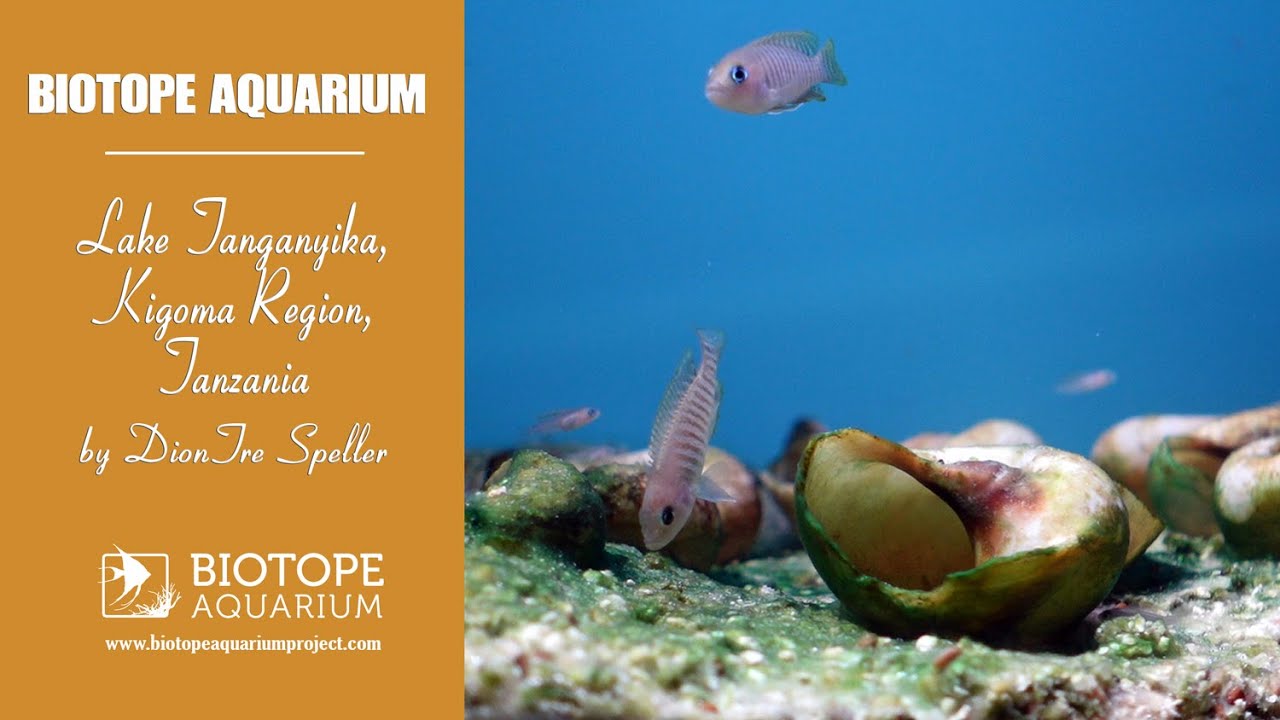
I chose a 45L long aquarium to house Neolamprologus multifasciatus, a shell-dwelling cichlid species endemic to Lake Tanganyika. The horizontal layout of the tank provides a greater footprint along the bottom, which is ideal for these fish, as they establish and defend individual territories among shell beds.

I placed a single rock strategically to help divide the space and reduce aggression by breaking lines of sight, which encourages more stable territory formation. One of the most interesting features of this setup is observing the Neolamprologus multifasciatus actively digging, rearranging shells, and building colonies, which closely mimics their natural behavior in the wild.

Submitted by
DionTre Speller
Approved by
Ad Konings & Anton Lamboj
GPS
-6.3751111, 29.7897224
Geographical region
Eastern Africa
Drainage Basin
Congo River Basin
River catchment
Lake Tanganyika Catchment
Water body type
Lake
Water body name
Lake Tanganyika
Water body part
Open water
Water body course
Water body: tributary of
River
Tributary name
Malagarasi

Videos above and below water

Warning: Undefined variable $fish_parent in /home/biotopea/public_html/wp-content/themes/bap/content-bam.php on line 85

Warning: Undefined array key "additional_species" in /home/biotopea/public_html/wp-content/themes/bap/functions/bap-fields.php on line 349

Water Chemistry

Water information

Water type
fresh-water
Water color
Clear water
Water transparency
High
Concentration of sediments
Low
Water temperature
28°C °C
Water flow/curent
Slow

Chemical parameters

pH
8.0
Conductivity
600
GH
178 mg/l
dGH
KH
16 mg/l
dKH
Dissolved Oxygen
7 %

Aquarium information

Aquarium description

Set-up date
February, 2025
Aquarium decoration

To recreate a natural biotope for Neolamprologus multifasciatus, I used a mix of beige-colored sand and Carib Sea African Ivory Coast Sand, which closely resembles the light, sandy substrate found along the rocky and shelly shores of Lake Tanganyika. A single rock structure was added to help break up sight lines and reduce territorial aggression among the fish.

While I wasn’t able to obtain authentic Neothauma tanganyicense shells (the native snail shells these cichlids inhabit), I used a combination of a few Escargot shells and a larger number of Natural Shark Eyes Sea Shells for their neutral color and smooth shape, which still allow the fish to exhibit their natural behavior.

The most authentic part of the setup, however, comes from the fish themselves. Neolamprologus multifasciatus actively dig, move sand, and rearrange the shells to shape their own territories. As a result, the aquarium landscape is always evolving—mirroring the dynamic nature of their habitat in the wild—and it’s incredibly rewarding to watch.

Aquarium equipment
  • AquaClear Power HOB Filter with slow flow
  • FREESEA Aquarium Fish Tank Heater
  • SEAOURA Clip On Aquarium Light
  • Hiro Aquatic COB LED Light

Fish list:

  • Neolamprologus multifasciatus (Cichlidae)

Aufwuchs: Periphyton – various e.g., Bacillariophyceae, Chlorophyceae

Fish care

To keep these fish happy and healthy I love to feed once to twice a day. The fishes diets varies from high quality crushed up pellets to high quality flakes. The aquarium gets a weekly 30% water change. I use Seachem’s Tanganyika Buffer when I do a water to help keep pH high enough for these beautiful fish. I also keep the lighting subdued as it helps the fish exhibit more natural behavior. I added a lot of sand to this aquarium as these fish love to dig around.

Plant care

The are no aquatic plants found here expect for some algae growth. I like to grow the algae for a more natural look and it helps the fish fry with food as they are constantly grazing the algae for microorganisms.

Water care

The aquarium gets a weekly 30% water change. I use Seachem’s Tanganyika Buffer when I do a water to help keep pH high enough for these beautiful fish. I also clean all sides of the glass and leave some of the algae on the rock and shells and even the sand. This helps the fish fry graze for micro organisms which they do constantly.

Dimensions

Length
90 cm
Depth
20 cm
High
25 cm
Volume
45 L

Substrate in aquarium

Sand
Beige
Pebble/Gravel
None
Stone
Grey
Stone form
Irregular
Silt/Mud
None
Leaves
None
Driftwood
None
Submerged terrestrial vegetation
None

Comment by the expert

Ad Konings: Video bears contestant’s name but he didn’t take the video because that was taken in Zambian waters, not Kigoma. Also N. multifasciatus does not occur anywhere near Kigoma.

Anton Lamboj: Relatively ok, but layer of substrate is too thin, fish can not dig well.