bam Demanding level

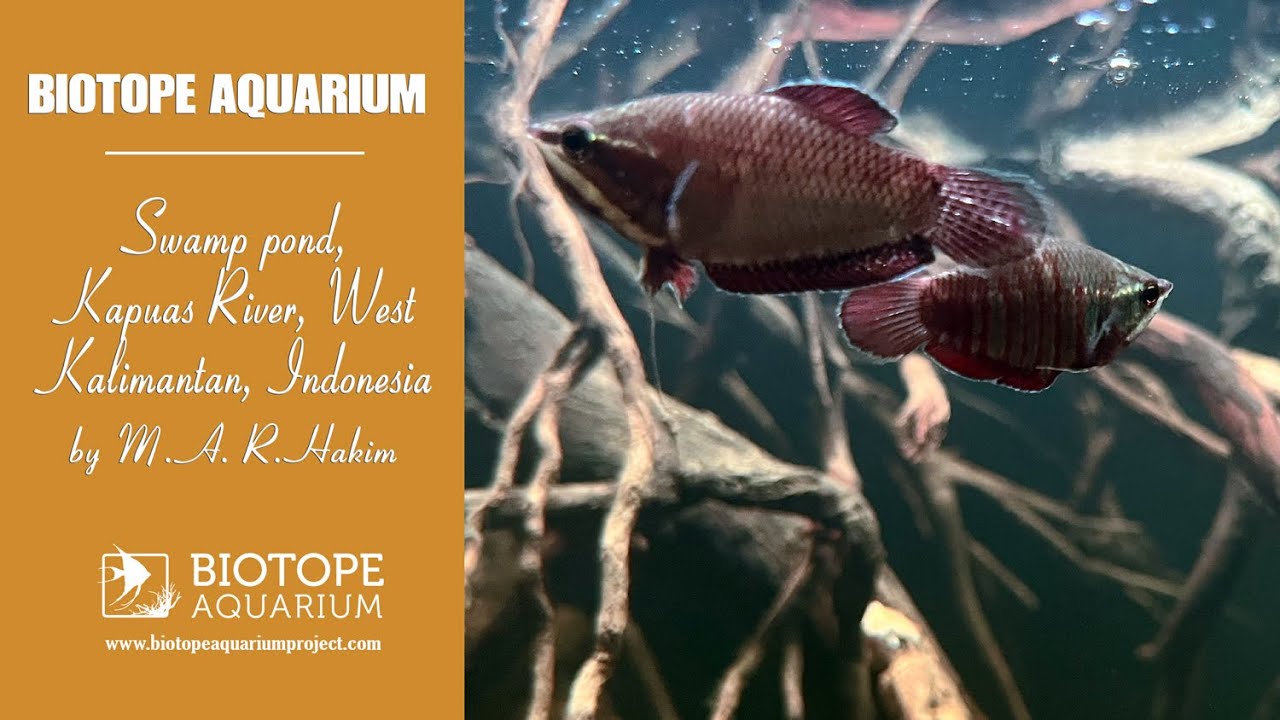
Swamp pond, Kapuas river, West Borneo, Indonesia

Sponsored by

Indonesia, West Borneo, Regency of Sekadau

The Kapuas River ecosystem is a dynamic and complex natural system, where a variety of organisms—including fish, aquatic plants, invertebrates, and plankton—interact constantly with environmental factors such as temperature, water currents, sedimentation, and overall water quality. These biotic and abiotic interactions form the foundation of the river’s ecological balance.

Stretching for 1.143 kilometers, the Kapuas River is the longest river in Indonesia. It serves as the main transportation route in West Kalimantan and plays a crucial role as a lifeline for the local communities, supporting both economic and daily activities.

The environmental conditions of the river are significantly shaped by external influences such as land use changes, industrial development, and agricultural practices. These human activities impact the river’s water quality and ecosystem stability.

Over time, the Kapuas River has been facing a range of environmental threats, including pollution from industrial waste, runoff from mining operations, and the intensive use of chemical fertilizers in agriculture. These factors pose serious risks to the health of the river and its ability to sustain life.

Despite these challenges, the Kapuas River remains rich in biodiversity. It supports a wide range of aquatic life, including numerous species of fish, aquatic plants, and other freshwater organisms, making it a vital ecological resource for both nature and people.

Submitted by
Mohammad Arief Rahman Hakim
Approved by
Heiko Blessin, Heok Hee Ng & Greg Martin
GPS
0.1332554, 111.2384491
Geographical region
Southeastern Asia
Drainage Basin
South China Sea
River catchment
Kapuas River
Water body type
Stream
Water body name
Jungkit
Water body part
Water body course
Upper course
Water body: tributary of
River
Tributary name
Kapuas River

Videos above and below water

Warning: Undefined variable $fish_parent in /home/biotopea/public_html/wp-content/themes/bap/content-bam.php on line 85

Warning: Undefined array key "additional_species" in /home/biotopea/public_html/wp-content/themes/bap/functions/bap-fields.php on line 349

Water Chemistry

Water information

Water type
fresh-water
Water color
Black water
Water transparency
Medium
Concentration of sediments
Medium
Water temperature
28 °C
Water flow/curent
Strong

Chemical parameters

pH
4.6
Conductivity
GH
5 mg/l
dGH
KH
2 mg/l
dKH
Dissolved Oxygen
5 %

Aquarium information

Aquarium description

Set-up date
November, 2024
Aquarium decoration

I collected some materials directly from nature, such as substrate, plant roots, and pieces of sunken wood.

I arranged them to reflect the ecological structure of a typical blackwater river habitat—carefully positioning roots, driftwood, and sand, along with peat elements like dry leaves that naturally tinted the water dark, creating the characteristic blackwater appearance.

Aquarium equipment

I use 2 sides undergravel filtration with black pumice spoons and also 2 Atman series 900l/h pumps.

Fish care

I changed the water every four weeks and added Seachem Stability, along with some dry leaves, to help maintain a consistently low and stable pH level in the aquarium.

Fish list:

  • Sphaerichthys vaillanti (Osphronemidae)
  • Rasbora kalochroma (Danionidae)
Plant care

I used only terrestrial plants, such as ferns, and applied liquid fertilizer just once a week for basic maintenance.

Water care

I changed 20% of the water every four weeks and always used water with a low pH for the replacement. I also consistently added dry leaves to help stabilize the pH and keep it low.

Dimensions

Length
170 cm
Depth
40 cm
High
40 cm
Volume
272 L

Substrate in aquarium

Sand
Beige
Pebble/Gravel
Mixed
Stone
None
Stone form
Silt/Mud
Beige
Leaves
Adundant
Driftwood
Many
Submerged terrestrial vegetation
None