bam Demanding level

Tam Giang lagoon, Phu Vang district, Hue, Vietnam

Sponsored by

Viet Nam, Hue, Phu Vang district

A 420L aquarium recreates the tranquil beauty of Tam Giang Lagoon – a unique coastal wetland known for its gently swaying, partially submerged grasses. The aquascape captures this serene landscape with clusters of semi-aquatic plants that mimic the lush, flooded meadows.

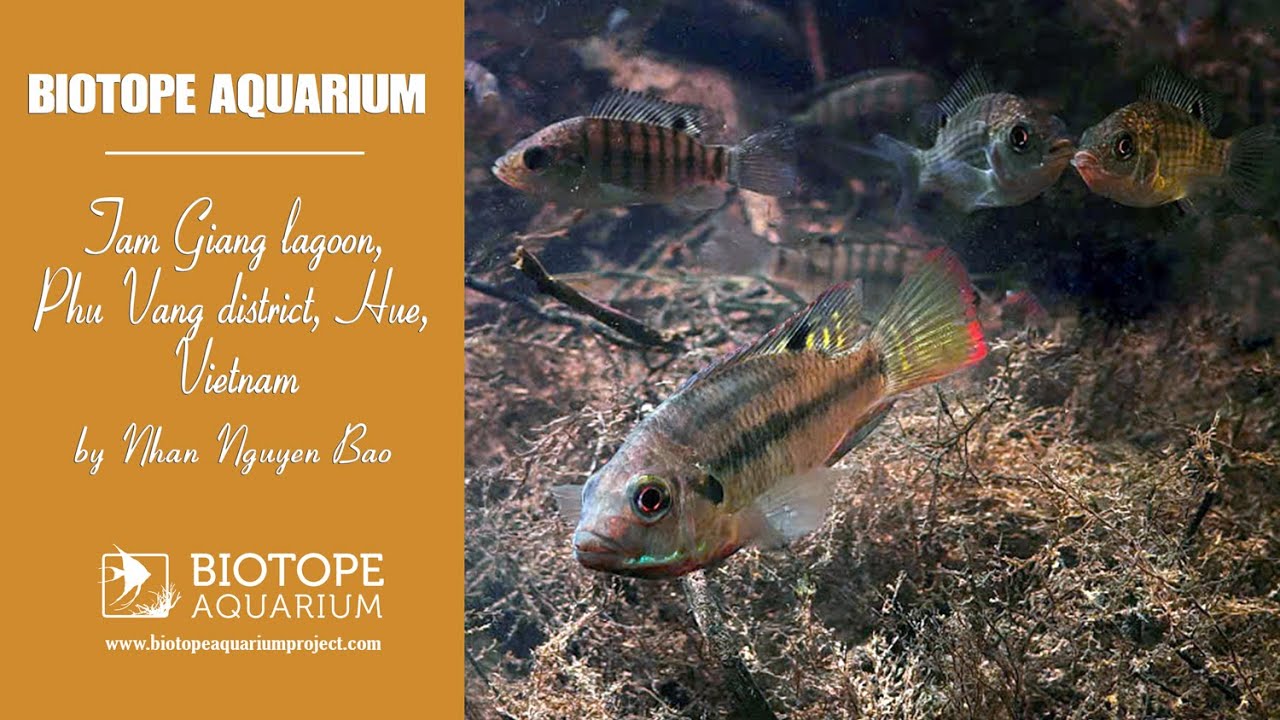
Among the vegetation, colorful Oreochromis niloticus dart in and out of view, their shimmering scales reflecting the play of light, while small crabs scuttle across the soft substrate. This setup offers a glimpse into the biodiverse and enchanting world of one of Vietnam’s largest lagoon systems.

Submitted by
Nhan Nguyen Bao
Approved by
Heiko Blessin, Heok Hee Ng & Greg Martin
GPS
16.5470428, 107.6317749
Geographical region
Southeastern Asia
Drainage Basin
South China Sea
River catchment
Huong River (Sông Hương), Bo River (Sông Bồ) and O Lau River (Sông Ô Lâu)
Water body type
Lagoon
Water body name
Tam Giang lagoon
Water body part
Outflow
Water body course
Lower course
Water body: tributary of
River
Tributary name
Huong River, Bo River and O Lau River

Videos above and below water

Warning: Undefined variable $fish_parent in /home/biotopea/public_html/wp-content/themes/bap/content-bam.php on line 85

Warning: Undefined array key "additional_species" in /home/biotopea/public_html/wp-content/themes/bap/functions/bap-fields.php on line 349

Water Chemistry

Water information

Water type
brackish-water
Water color
Black water
Water transparency
High
Concentration of sediments
No
Water temperature
26 °C
Water flow/curent
None

Chemical parameters

pH
7
Conductivity
GH
dGH
KH
dKH
Dissolved Oxygen

Aquarium information

Aquarium description

Set-up date
June, 2025
Aquarium decoration

I chose Cyperus rotundus as the main plant species to establish both the natural aesthetic and the visual composition of the aquascape. The dense clumps of grass, with their extensive root systems, contribute to a realistic, wild landscape.

The substrate consists of beige sand layered with dried twigs and fallen leaves to closely mimic the natural environment. I arranged three clusters of Cyperus rotundus strategically to create a sense of hierarchy and balance, incorporating natural pathways to enhance both composition and visual appeal.

Aquarium equipment

I chose not to use any filtration equipment in this aquarium. Instead, the only element used to maintain stability is natural sunlight – just as it would be in the wild. Sunlight supports the growth of beneficial bacteria, helping to sustain a balanced and self-regulating ecosystem.

Fish care

For this project, I selected Oreochromis niloticus, a species commonly found in the region. These fish exhibit natural foraging behavior, sifting through the substrate in search of food. During the breeding season, males display a striking red coloration, adding vibrant visual interest to the aquarium.

The tank is placed in a shaded area where the temperature remains consistently between 25-26°C, creating an ideal environment for healthy growth. In addition to being fed once every two days, the fish rely on their instincts to find supplementary food within the tank. Weekly water changes help maintain both a stable microbiome and the overall health of the fish.

Fish list:

  • Oreochromis niloticus (Cichlidae)

Crustacean list:

  • Perisesarma bidens (Sesarmidae)

Mollusc list:

  • Vittina natalensis (Neritidae)
Plant care

Cyperus rotundus serves as the primary plant in the aquascape layout. Receiving natural sunlight daily, it grows vigorously and thrives. However, regular trimming is essential, as its rapid growth can disrupt the visual balance and structure of the aquascape if left unmanaged.

Water care

For the initial setup, I collected water directly from the natural habitat I aimed to replicate in the aquarium. This approach introduced native, beneficial bacteria essential for establishing a balanced ecosystem. To support and stabilize the microbial community, I performed weekly water changes, replacing 30% of the volume with clean, fresh water. This routine helps accelerate bacterial colonization and maintain a healthy, stable environment within the tank.

Dimensions

Length
150 cm
Depth
70 cm
High
40 cm
Volume
420 L

Substrate in aquarium

Sand
Beige
Pebble/Gravel
None
Stone
None
Stone form
Irregular
Silt/Mud
Black
Leaves
Few
Driftwood
Few
Submerged terrestrial vegetation
Yes

Sitography

→ Wikipedia.org