bin
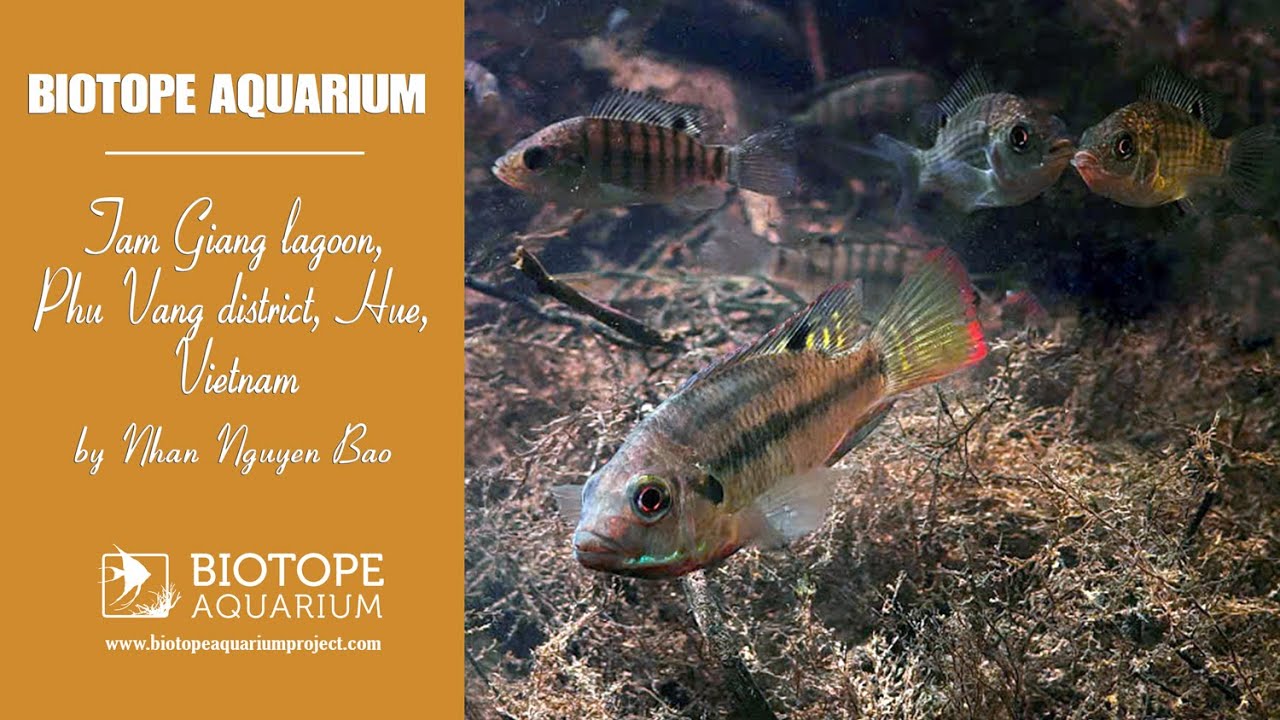
Tam Giang lagoon, Phu Vang district, Hue, Vietnam
Viet Nam, Hue, Phu Vang district
Tam Giang Lagoon is the largest brackish water lagoon system in Southeast Asia, located in Thua Thien Hue Province, Vietnam. It is renowned for its wild, tranquil beauty and serves as the convergence point of three major rivers – the Huong, Bo, and O Lau – before they flow into the sea. The lagoon supports a highly diverse and rich ecosystem.
One of my favorite fish found here is Oreochromis niloticus, a species that is both easy to find and remarkably beautiful.
- Submitted by
- Nhan Nguyen Bao
- Approved by
- Heiko Blessin, Heok Hee Ng & Greg Martin
- GPS
- 16.5470428, 107.6317749
- Geographical region
- Southeastern Asia
- Drainage Basin
- South China Sea
- River catchment
- Huong River (Sông Hương), Bo River (Sông Bồ) and O Lau River (Sông Ô Lâu)
- Water body type
- Lagoon
- Water body name
- Tam Giang lagoon
- Water body part
- Outflow
- Water body course
- Lower course
- Water body: tributary of
- River
- Tributary name
- Huong River, Bo River and O Lau River
Videos above and below water
Warning: Undefined variable $fish_parent in /home/biotopea/public_html/wp-content/themes/bap/content-bin.php on line 55
Water Chemistry
Water information
- Water type
- brackish-water
- Water color
- Mixed water
- Water transparency
- Low
- Concentration of sediments
- No
- Water temperature
- 26 °C
- Water flow/curent
Chemical parameters
- pH
- 7.5
- Conductivity
- GH
- dGH
- KH
- dKH
- Dissolved Oxygen
Substrate in nature
- Sand
- Beige
- Pebble/Gravel
- None
- Stone
- Mixed
- Stone form
- Irregular
- Silt/Mud
- Black
- Leaves
- Few
- Driftwood
- Few
- Submerged terrestrial vegetation
- Yes
Aquatic Biotope
- Date of collecting
- 17/06/2025
- Collecting area
- Open water
- Water depth
- 1,0m
- Air temperature
- 30 °C
- Sunlight
- Full sun
Environment
- Environment
- Human settlements
- Human settlements
- Dispersed
- Surrounding area
Tam Giang Lagoon, located in Phu Vang District, Thua Thien Hue Province, Vietnam, is one of the most renowned coastal lagoons in the country. Known for its ecotourism potential, the lagoon boasts a rich and diverse mangrove ecosystem.
During the rainy season, water from major rivers – including the Huong, Bo, and O Lau Rivers – flows into the lagoon before eventually reaching the sea. This natural circulation creates a dynamic and biologically diverse environment, making Tam Giang not only a vital ecological region but also a captivating destination for visitors.
- Underwater landscape
The waters in this area are rich in biodiversity, supporting a wide variety of aquatic plants and animals. Submerged grasses blanket the lagoon, creating a vibrant and picturesque habitat. The presence of green algae further enhances the ecosystem by contributing to water quality and offering a safe, healthy environment in which fish can thrive.
Fish list:
- Oreochromis niloticus (Cichlidae)
Crustacean list:
- Perisesarma bidens (Sesarmidae)
Mollusc list:
- Vittina natalensis (Neritidae)
Terrestrial vegetation list:
- Cyperus rotundus (Cyperaceae)
- Threats to ecology
The waters in this area are rich in biodiversity, supporting a wide variety of aquatic plants and animals. Submerged grasses blanket the lagoon, creating a vibrant and picturesque habitat. The presence of green algae further enhances the ecosystem by contributing to water quality and offering a safe, healthy environment in which fish can thrive.
Riparian zone
- Trees near the aquatic habitat
-
Many -
Comment by the expert
Heok Hee Ng: BIN description states that this habitat is high in biodiversity, yet only one fish species (and an alien invasive one at that) is listed. This cannot be the case.
Greg Martin: The research could have been more thorough — it would have been important to note that Nile Tilapia are considered a pest species in these waters.