bin
Blackwater peatswamp, Northern Perak, Malaysia
Malaysia, Taiping, Perak, Simpang Empat Semanggol
This peatswamp is located in the northern part of peninsular Malaysia in the province of Perak. It is a closed location with blackwater and a diverse spectrum of fish species. This swamp is surrounded by dense forest.I was interesed in the fact that it is hidden from fish hunters for the time being and therefore almost untouched.
All the information was given to me by Khairuldin Mohd Isha, who visited the location, researched the aquatic biotope and submittet the the exact location. Khairulddin hopes, however, that environmentally conscious aquarists and locals will protect this unique environment from illegal fishing and destruction.
- Submitted by
- Michal Klacek
- Approved by
- Heok Hee Ng & Greg Martin
- GPS
- 5.0376644, 100.7283859
- Geographical region
- Southeastern Asia
- Drainage Basin
- River catchment
- Water body type
- Wetland
- Water body name
- Peat swamp
- Water body part
- Marsh land
- Water body course
- Source
- Water body: tributary of
- Wetland
- Tributary name
Videos above and below water
Warning: Undefined variable $fish_parent in /home/biotopea/public_html/wp-content/themes/bap/content-bin.php on line 55
Water Chemistry
Water information
- Water type
- fresh-water
- Water color
- Black water
- Water transparency
- High
- Concentration of sediments
- High
- Water temperature
- 22-28°C °C
- Water flow/curent
- None
Chemical parameters
- pH
- 5
- Conductivity
- 145
- GH
- 6 mg/l
- dGH
- KH
- 6 mg/l
- dKH
- Dissolved Oxygen
Substrate in nature
- Sand
- Pebble/Gravel
- Stone
- None
- Stone form
- Silt/Mud
- Brown
- Leaves
- Many
- Driftwood
- Many
- Submerged terrestrial vegetation
- Yes
Aquatic Biotope
- Date of collecting
- Collecting area
- Backwaters
- Water depth
- 0,5m
- Air temperature
- Sunlight
- Filtered/dappled sun
Environment
- Environment
- Untouched
- Surrounding area
This marshy swamp is located in the northern part of the Perak province in Malaysia. It is a closed biotope with no tributary dependent on rainfall. The surroundings of the biotope are made up of tropical forest, mainly trees of the genus Macarange. For now, it is an area untouched by human activity.
- Underwater landscape
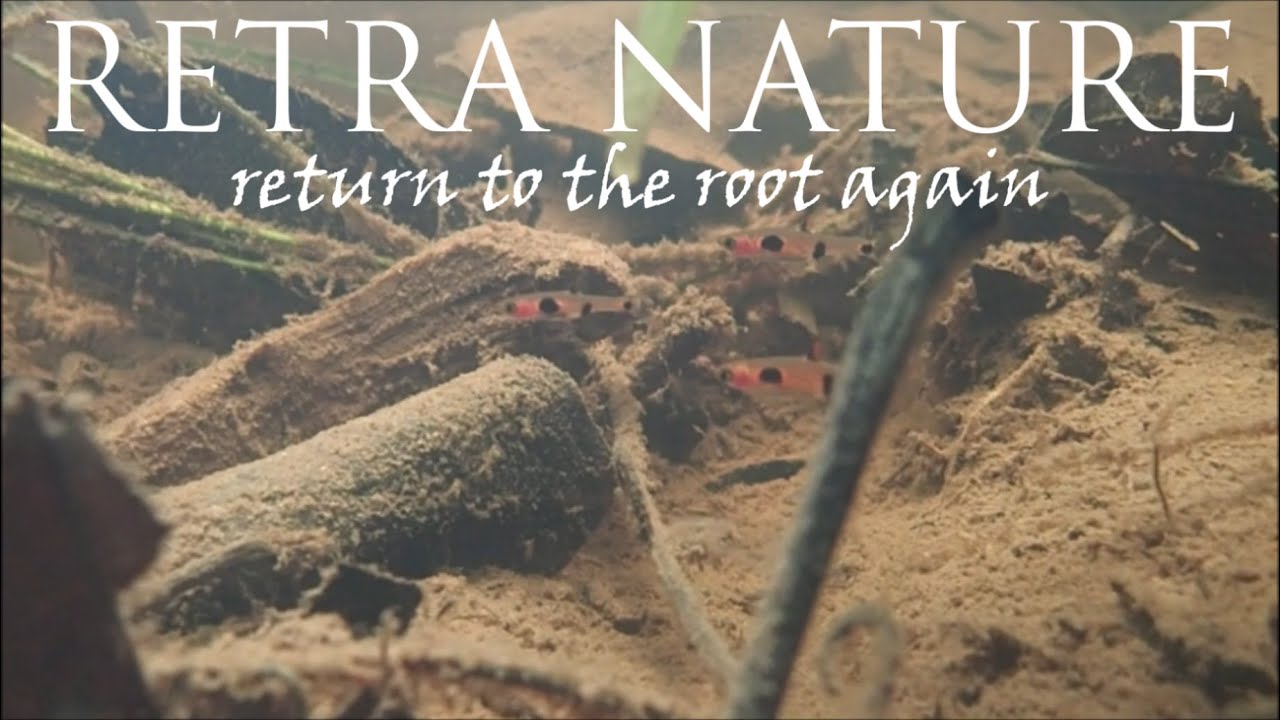
The water in this biotope is colored brown due to tannins from fallen leaves and wood, but it is transparent. The bottom is covered with a thick layer of leaves and detritus and lots of larger and smaller branches that are covered with algae in places. In the shallow parts, there is a dense tangle of roots from the surrounding trees. The maximum depth is approx. 2m.
Several species of aquatic plants grow in the shore part in shallow water, for example: Limnophila sessiliflora, Eleocharis sp., Cryptocoryne minima, Blyxa sp., Barclaya motleyi, Lemna minor.
There is also a shrimp of the genus Macrobrachium. The site is rich in fish communities.
Fishlist:
- Sphaerichthys osphromenoides (Osphronemidae)
- Trichopodus leerii (Osphronemidae)
- Parosphromenus rubrimontis (Osphronemidae)
- Desmopuntius hexazona (Cyprinidae)
- Trigonostigma heteromorpha (Danionidae)
- Trigonopoma pauciperforatum (Danionidae)
- Luciocephalus pulcher (Osphronemidae)
- Nandus nebulosus (Nandidae)
- Boraras maculatus (Danionidae)
- Trichopsis vittata (Osphronemidae)
Aquatic plants:
- Limnophila sessiliflora (Plantaginaceae)
- Blyxa sp. (Hydrocharitaceae)
- Barclaya motleyi (Nymphaeaceae)
- Utricularia gibba (Utricularia gibba)
- Lemna minor (Araceae)
Wetland plan:
- Cryptocoryne minima (Araceae)
- Eleocharis sp. (Cyperaceae)
- Threats to ecology
Such forest wetlands are indispensable for maintaining the existing ecosystem. Not only fish depend on these water sources, but also many other animals living in close proximity to water, such as amphibians, insects, and many mammals.
Thanks to the fact that this wetland is still untouched by human activity, rare plant species that are worth protecting can also be found here.
Riparian zone
- Trees near the aquatic habitat
-
Many -