bin
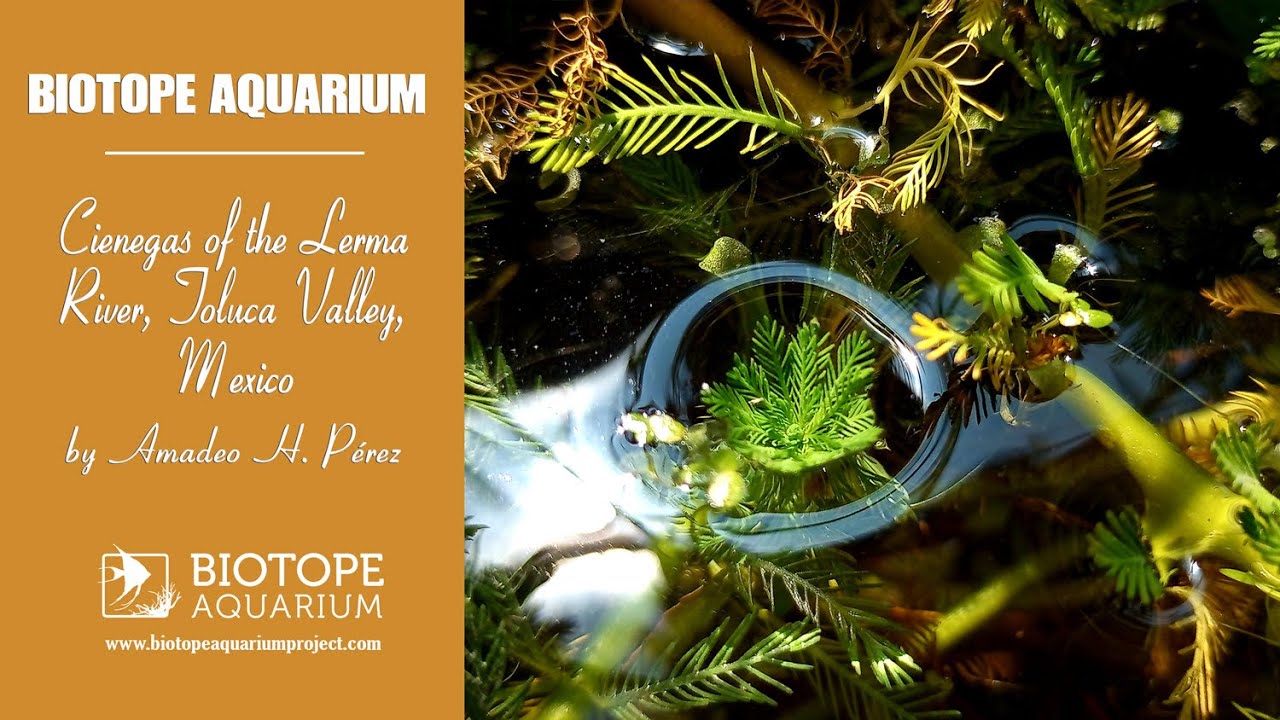
Cienegas del Rio Lerma, Toluca Valley, México
Mexico, Estado de México, Lerma
The Flora and Fauna Protection Area “Ciénegas del Río Lerma” is part of the Lerma-Chapala-Santiago hydrological system and is located in the upper Lerma River basin in the State of Mexico. It comprises three major bodies of water – Chignahuapan, Chimaliapan, and Chiconahuapan – and serves as an important refuge for a wide variety of species, including plants, birds, mammals, fish, amphibians, and reptiles.
This area is home to endemic species classified as critically endangered under the official Mexican norm NOM-059-SEMARNAT-2010, such as Girardinichthys multiradiatus, Ambystoma lermense, Geothlypis speciosa, Sagittaria macrophylla, and Chirostoma riojai.
Currently, the Lerma marshes are undergoing severe contamination, drying, and fragmentation, which has led to a dramatic loss of biodiversity and negatively impacted human activities associated with the wetlands – an issue shared by many other water bodies in central Mexico.
- Submitted by
- Amadeo Hernández Pérez
- Approved by
- Michael Köck, Jairo Arroyave & Juan M. Artigas Azas
- GPS
- 19.1424484, -99.4989624
- Geographical region
- Central America
- Drainage Basin
- Cuenca Alta
- River catchment
- Rio Lerma
- Water body type
- Laguna
- Water body name
- Ciénega Chimaliapan
- Water body part
- Flood plain
- Water body course
- Headwaters
- Water body: tributary of
- Laguna
- Tributary name
- Lerma River
Videos above and below water
Warning: Undefined variable $fish_parent in /home/biotopea/public_html/wp-content/themes/bap/content-bin.php on line 55
Water Chemistry
Water information
- Water type
- fresh-water
- Water color
- Clear water
- Water transparency
- High
- Concentration of sediments
- High
- Water temperature
- 14 °C
- Water flow/curent
- None
Chemical parameters
- pH
- 7.2
- Conductivity
- GH
- 125 mg/l
- dGH
- KH
- 15 mg/l
- dKH
- Dissolved Oxygen
- 4.8 %
Substrate in nature
- Sand
- None
- Pebble/Gravel
- Stone
- Stone form
- Silt/Mud
- Brown
- Leaves
- Adundant
- Driftwood
- None
- Submerged terrestrial vegetation
- Yes
Aquatic Biotope
- Date of collecting
- 17 May, 2025
- Collecting area
- River bank
- Water depth
- 0,5m
- Air temperature
- Sunlight
- Full sun
Environment
- Environment
- Affected by human activity
- Affected by human activity
- Agriculture
- Agriculture
- Advanced
- Surrounding area
The region is characterized by a temperate sub-humid climate with summer rainfall, an average annual temperature of 12°C, and average annual precipitation ranging from 800 to 1.200 mm. The predominant soils are histosols, which feature an organic layer approximately 40-50 cm deep, formed by the accumulation of large amounts of plant material in flooded areas. In the surrounding zones, other soil types can be found, including cambisols, andosols, vertisols, and regosols.
- Underwater landscape
In the Lerma wetland complex, there are areas of open, permanent water with a maximum depth of 2.5 meters, where free-floating, submerged, and floating-leaved hydrophytes thrive. Surrounding these zones are broad strips of land subjected to seasonal flooding, where the maximum depth does not exceed 1.2 meters. These areas are mainly populated by rooted emergent hydrophytes, forming dense plant communities locally known as tulares.
The extent of the lacustrine (lake-like) areas in each ciénega (marsh) is influenced by the rainfall regime. Flooding typically occurs for 6 to 8 months of the year, after which the water level gradually recedes, sometimes leaving behind soils that are merely saturated with moisture. These fluctuations in water levels have allowed for the growth of flood-tolerant terrestrial plants, which can endure short periods of inundation or high humidity.
Fish Species:
Crustacean Species:
- Cambarellus montezumae (Cambaridae)
Amphibian Species:
- Ambystoma lermaense (Ambystomatidae)
- Hyla eximia (Hylidae)
- Ambystoma granulosum (Ambystomatidae)
Wetland Plants:
- Sagittaria macrophylla (Alismataceae)
- Berula erecta (Apiaceae)
- Hydrocotyle ranunculoides (Araliaceae)
- Myriophyllum aquaticum (Haloragaceae)
- Typha latifolia (Typhaceae)
- Schoenoplectus californicus (Cyperaceae)
- Arenaria paludicola (Caryophyllaceae)
- Eleocharis densa (Cyperaceae)
Aquatic Plants:
- Pontederia crassipes (Pontederiaceae)
- Ludwigia peploides (Onagraceae)
Aquatic Mosses:
- Hydromystria laevigata (Araceae)
- Azolla mexicana (Azollaceae)
Terrestrial Vegetation:
- Salix bonplandiana (Salicaceae)
- Salix babylonica (Salicaceae)
- Threats to ecology
The biodiversity and very existence of the wetlands in the Ciénegas del Lerma are currently under serious threat due to numerous factors, most of which are linked to human activities.
The most significant impacts on the area include groundwater extraction leading to desiccation, land-use change for agricultural expansion and urban or industrial growth, the alteration of hydrological dynamics through the construction of levees and the diversion of inflows, fragmentation caused by urban development and highway infrastructure, water pollution from domestic and industrial wastewater, the introduction of exotic species such as carp, invasion by water hyacinth Pontederia crassipes, fires in reed beds such as Typha latifolia and Schoenoplectus californicus, and contamination from solid waste.
Riparian zone
- Trees near the aquatic habitat
-
Few -
Bibliography
-
→ Investigaciones Geográficas, Boletín del Instituto de Geografía, UNAM - Análisis del uso del suelo en las Ciénegas de Lerma (1973-2008) y su impacto en la vegetación acuática.
by Zepeda-Gómez, C., Nemiga, X. A., Lot-Helgueras y Madrigal-Uribe, D.
ISBN ISSN 0188-4611, Núm. 78, 2012, pp.48-61
-
Acta botánica Mexicana 98:23-49 - Florística y diversidad de las Ciénegas del rio Lerma, Estado de México, México
by Zepeda.Gómez, C., Lot-Helguera, A., Nemigia,X. A. y Madrigal-Uribe, D.
-
→ Revista Pensarte: Crear y Recrear - Ciénegas del Lerma, la conservación de la biodiversidad
by Leopoldo-Flores, I
ISBN Núm. 82, p 21
-
Instituto de Ecología, UNAM. México, D.F.; SEMARNAT. - Ficha Informativa de los Humedales de RAMSAR: Ciénegas de Lerma
by Ceballos, G.
Comment by the expert
Michael Köck: With the introduction of fresh blood after extensive slaughtering of a large number of sheep at weekly intervals, there is a threat factor that is not widely known, but which should be mentioned here without influencing the assessment. The description of the habitat, the factors, and the list of creatures found there is comprehensive and accurate; I have no criticism or suggestions for improvement.
Jairo Arroyave: The description of the BIN is quite nice for the above water component, but the underwater is missing photo/video supporting materials, unfortunately. The BIN description would have greatly benefited by these missing materials.
Juan M. Artigas Azas: A beautiful area full of life that I’ve visited on several occasions. It is described nicely and appropriately.