bin
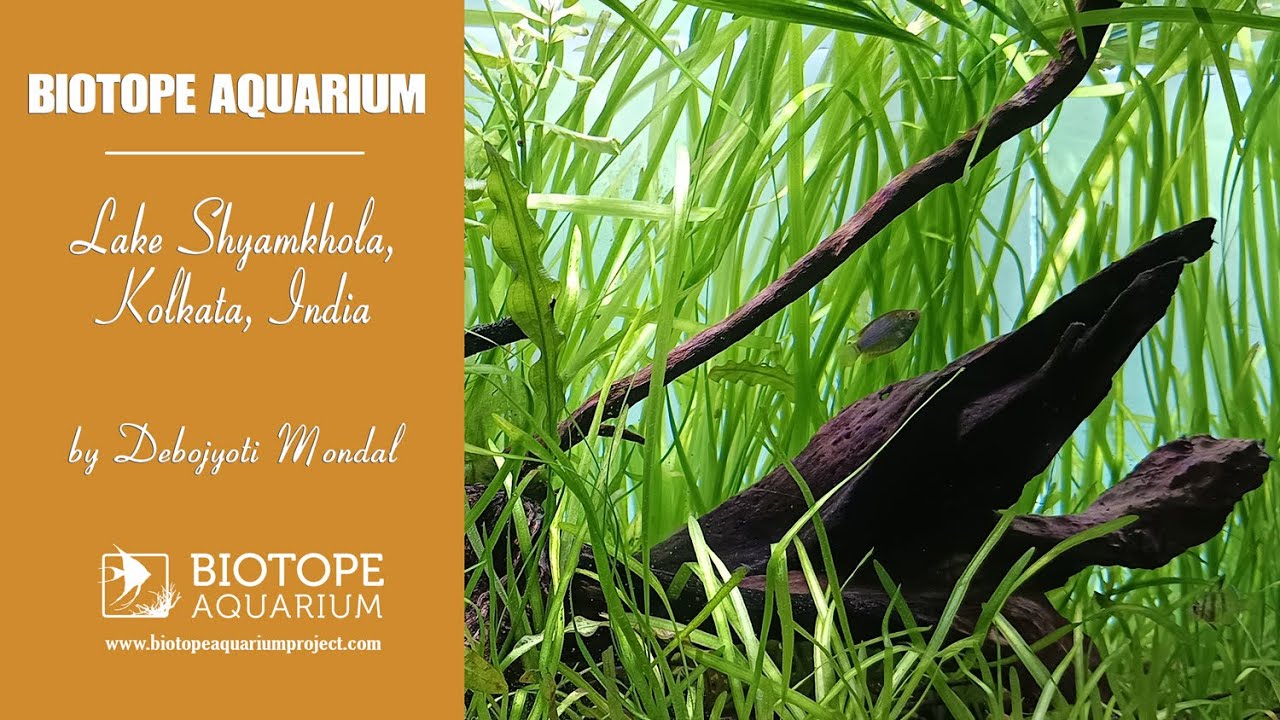
Lake Shyamkhola, Kolkata, India
India, West Bengal, Kolkata
This area to the south of Narendrapur, Kolkata. It consists of villages with dense orchards, a mixture of natural and planted vegetations, open croplands and ponds of different sizes. It also has a large wetland that was created owing to removal of soil from croplands for brickfields.
- Submitted by
- Debojyoti Mondal
- Approved by
- Hans-Georg Evers & Friedrich Bitter
- GPS
- 22.4245243, 88.3893814
- Geographical region
- Southern Asia
- Drainage Basin
- River catchment
- Water body type
- Lake
- Water body name
- Shyamkhola
- Water body part
- Pool
- Water body course
- Headwaters
- Water body: tributary of
- Pool
- Tributary name
Videos above and below water
Warning: Undefined variable $fish_parent in /home/biotopea/public_html/wp-content/themes/bap/content-bin.php on line 55
Water Chemistry
Water information
- Water type
- fresh-water
- Water color
- Clear water
- Water transparency
- High
- Concentration of sediments
- Low
- Water temperature
- 28 °C
- Water flow/curent
- Slow
Chemical parameters
- pH
- 7.5
- Conductivity
- GH
- 8 mg/l
- dGH
- KH
- dKH
- Dissolved Oxygen
Substrate in nature
- Sand
- Beige
- Pebble/Gravel
- Mixed
- Stone
- None
- Stone form
- Silt/Mud
- Beige
- Leaves
- Few
- Driftwood
- Few
- Submerged terrestrial vegetation
- Yes
Aquatic Biotope
- Date of collecting
- Collecting area
- River bank
- Water depth
- 0,2m
- Air temperature
- Sunlight
- Full sun
Environment
- Environment
- Affected by human activity
- Affected by human activity
- Pollution
- Pollution
- Moderate
- Surrounding area
Shyamkhola is a serene area known for its rich biodiversity and tranquil environment. Shyamkhola is a notable hotspot for birdwatching, with over 189 species recorded, including the Asian Koel, Spotted Dove, and Asian Palm Swift.
The area is enveloped by verdant landscapes and natural vegetation, offering a peaceful retreat from urban life.Being close to the Sundarbans, the world’s largest mangrove forest, Shyamkhola benefits from the unique ecosystem and biodiversity of the region.
The area’s natural beauty and biodiversity make it an ideal spot for eco-tourism, promoting sustainable travel and conservation awareness. Despite its tranquil setting, Shyamkhola is accessible from Kolkata, making it a convenient destination for nature enthusiasts and weekend travelers. Shyamkhola offers a blend of natural beauty, cultural richness, and biodiversity, making it a noteworthy destination in West Bengal.
- Underwater landscape
Presence of dense green planting. Substrate is small gravels with sand and clay bed. Driftwood, bamboo sticks, stones give it a natural look. Even waste products like earthen pottery present at the bottom which act as a natural shelters for small fishes.
Fish list:
- Chanda ranga (Ambassidae)
- Trichogaster fasciata (Anabantidae)
Aquatic plant list:
- Hygrophila polysperma (Acanthaceae)
- Sagittaria subulata (Alismataceae)
- Vallisneria nana (Hydrocharitaceae)
- Threats to ecology
Here are some key threats to the ecology of the area near Lake Shyamkhola:
- Increasing development and construction activities can lead to habitat loss for local flora and fauna.
- Dumping of waste and use of chemical fertilizers in nearby areas can contaminate the lake and surrounding land.
- Clearing of natural vegetation for agriculture or settlement reduces biodiversity and disrupts ecosystems.
- If eco-tourism is not properly managed, it can lead to littering, noise pollution, and degradation of natural habitats.
- Rising temperatures and changing rainfall patterns threaten wetland ecosystems and migratory bird patterns.
- Local wildlife, especially bird species and aquatic life, are at risk from illegal poaching and unsustainable fishing practices.
Protecting the Shyamkhola region requires conservation efforts, sustainable planning, and community awareness.
Riparian zone
- Trees near the aquatic habitat
-
None -