bin
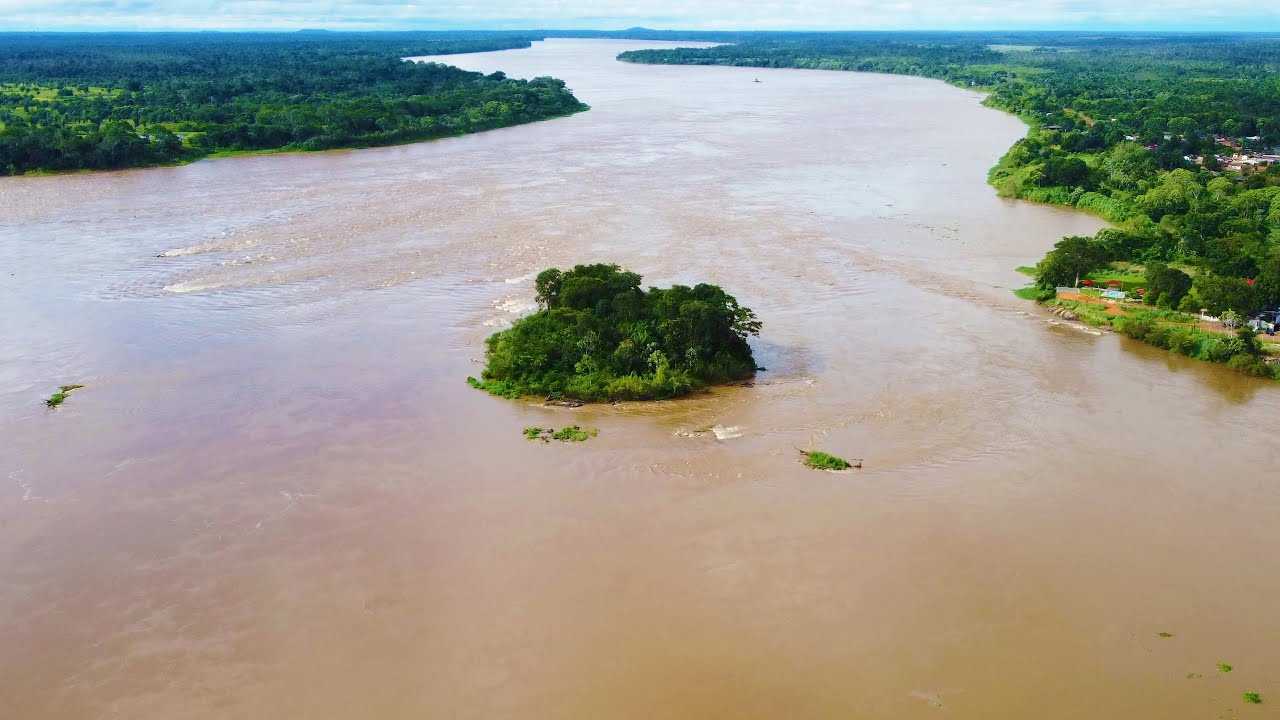
Río Mamoré basin, Bolivia
Bolivia, Plurinational State of, Beni, Trinidad
The Río Mamoré Basin forms part of the vast Llanos de Moxos floodplain in northern Bolivia, one of the world’s largest seasonally inundated tropical wetlands. Annual flooding connects rivers, oxbow lakes, shallow lagoons, and flooded forests into a dynamic aquatic landscape that supports exceptional biodiversity. Seasonal changes in water level strongly influence habitat structure, nutrient cycling, and fish movements throughout the basin.
The shallow marginal lagoons bordering the Río Mamoré provide ideal habitat for numerous cichlids, characins, catfishes, and aquatic invertebrates. Fine sandy bottoms, accumulated leaf litter, submerged woody debris, and sparse aquatic vegetation create sheltered environments where species such as Mikrogeophagus altispinosus forage for small benthic invertebrates and establish breeding territories. During the annual flood pulse, these lagoons become connected to the main river, allowing fish dispersal, genetic exchange, and the replenishment of aquatic communities.
- Submitted by
- Stephen Dsouza
- Approved by
- Roberto E. Reis, Pablo C. Lehmann & Antonio Machado-Allison
- Geographical region
- South America
- Drainage Basin
- River catchment
- Rio Amazonas
- Water body type
- Lagoon
- Water body name
- Floodplain lagoon west of Trinidad
- Water body part
- Flood plain
- Water body course
- Middle course
- Water body: tributary of
- Tributary name
Videos above and below water
Warning: Undefined variable $fish_parent in /home/biotopea/public_html/wp-content/themes/bap/content-bin.php on line 55
Water Chemistry
Water information
- Water type
- Freshwater
- Water color
- Clear water
- Water transparency
- Medium
- Concentration of sediments
- Medium
- Water temperature
- 26-28 °C
- Water flow/curent
- Slow
Chemical parameters
- pH
- Conductivity
- GH
- dGH
- KH
- dKH
- Dissolved Oxygen
Substrate in nature
- Sand
- White
- Pebble/Gravel
- None
- Stone
- None
- Stone form
- Silt/Mud
- Beige
- Leaves
- Many
- Driftwood
- Many
- Submerged terrestrial vegetation
Aquatic Biotope
- Date of collecting
- Collecting area
- Water depth
- Air temperature
- Sunlight
Environment
- Environment
- Affected by human activity
- Affected by human activity
- Agriculture
- Agriculture
- Little
- Surrounding area
The biotope is located within the Llanos de Moxos, a vast tropical floodplain landscape in the Beni Department of Bolivia. The surrounding environment consists of seasonally flooded savanna, gallery forests, and riparian vegetation associated with the Río Mamoré floodplain.
During the rainy season, rising water levels connect rivers, lagoons, and flooded terrestrial areas, creating a dynamic aquatic network. The landscape is predominantly flat, with slow-moving waters, shallow wetlands, and areas of dense vegetation along the shoreline. Human activities such as cattle ranching and agriculture occur in the wider region, but large areas of natural wetland habitat remain.
- Underwater landscape
The underwater environment consists of shallow, slow-moving lagoon waters with fine sand, soft sediment, and accumulated organic matter. Submerged branches, roots, and fallen leaves from riparian vegetation provide shelter and feeding areas for fish and aquatic organisms. The habitat structure is characterized by scattered woody debris, leaf litter, sandy patches, and areas of submerged vegetation. Seasonal flooding increases connectivity with the Río Mamoré, allowing the movement of fish between river channels and floodplain lagoons.
Fish:
- Mikrogeophagus altispinosus (Cichlidae)
- Hyphessobrycon eques (Characidae)
- Astyanax bimaculatus (Characidae)
- Threats to ecology
The main threats to this biotope include habitat alteration from cattle ranching, agricultural expansion, and associated deforestation of surrounding vegetation. Removal of riparian forests can reduce habitat complexity, increase erosion, and alter nutrient cycling. Pollution from human activities and agricultural runoff may affect water quality in connected floodplain systems. Climate change may also influence the natural flood pulse that maintains the ecological functioning of the Río Mamoré floodplain.
Bibliography
-
→ Ecology of Freshwater Fish - Trophic structure of fish assemblages from Mamoré River floodplain lakes (Bolivia).
by Pouilly, M., Barrera, S. & Rosales, C. (2004).
-
Journal of Fish Biology - Determinism of fish assemblage structure in neotropical floodplain lakes: influence of environmental variables and spatial processes.
by Pouilly, M. & Rodríguez, M.A. (2004).
-
Annals of the Carnegie Museum, 7, 315–328 - Some new species of fishes from the Rio Mamoré Basin, Bolivia.
by Haseman, J.D. (1911).
Comment by the expert
Roberto E. Reis: Reasonable description of the environment and surrounding area, but no BIN footage. Pretty small list of fishes from the local.
Pablo C. Lehmann: The Llanos de Moxos/Río Mamoré floodplain context, seasonal connectivity and principal regional threats are clearly explained. Mikrogeophagus altispinosus is especially well matched to the Mamoré drainage, but the biological inventory is short (three fish species) and does not document the invertebrates or plants mentioned in the narrative. The underwater habitat is described well, although virtually all measured chemical parameters and field-collection details are absent and the spreadsheet notes that BIN footage is missing. The bibliography is excellent, with peer-reviewed floodplain-fish studies, a historical taxonomic source, FishBase and GBIF.
Antonio Machado-Allison: Moderate.