bin
Sandy Ndole Bay, Lake Tanganyika, Zambia
Zambia, Ndole
Ndole Bay lies along the southern shore of Lake Tanganyika, within the boundaries of Nsumbu National Park in Zambia’s Northern Province. This region forms part of one of the oldest and deepest freshwater lakes in the world, estimated to be over 9 million years old and reaching depths of up to 1.470m. The lake itself is part of the East African Rift system and displays unique limnological and hydrological characteristics that support an exceptionally diverse and endemic aquatic fauna.
The bay features a combination of sandy beaches, rocky cliffs, and clear, alkaline waters, making it an ideal habitat for many specialized fish species. The substrate in Ndole Bay transitions from soft sand in the shallows to large rocks and boulders in deeper sections. Aquatic vegetation is minimal, but periphytic algae growing on rocks and submerged surfaces forms the basis of the food web for many grazing fish, particularly cichlids.
- Submitted by
- Kishalay Das
- Approved by
- Ad Konings & Anton Lamboj
- GPS
- -8.4818954, 30.4563580
- Geographical region
- Eastern Africa
- Drainage Basin
- Lake Tanganyikan basin
- River catchment
- Kalambo River
- Water body type
- Lake
- Water body name
- Lake Tanganyika
- Water body part
- Open water
- Water body course
- Water body: tributary of
- Tributary name
Videos above and below water
Warning: Undefined variable $fish_parent in /home/biotopea/public_html/wp-content/themes/bap/content-bin.php on line 55
Water Chemistry
Water information
- Water type
- fresh-water
- Water color
- Clear water
- Water transparency
- Medium
- Concentration of sediments
- High
- Water temperature
- 24-27 °C
- Water flow/curent
- Slow
Chemical parameters
- pH
- 9.0
- Conductivity
- 650
- GH
- 18 mg/l
- dGH
- KH
- 15 mg/l
- dKH
- Dissolved Oxygen
- 7 %
Substrate in nature
- Sand
- Grey
- Pebble/Gravel
- None
- Stone
- None
- Stone form
- Silt/Mud
- Grey
- Leaves
- Many
- Driftwood
- None
- Submerged terrestrial vegetation
- None
Aquatic Biotope
- Date of collecting
- Collecting area
- Sand beach
- Water depth
- Air temperature
- 25 °C
- Sunlight
- Full sun
Environment
- Environment
- Human settlements
- Human settlements
- Compacted
- Surrounding area
Ndole Bay is located along the Zambian shoreline of Lake Tanganyika, the world’s second-deepest and second-oldest freshwater lake. The surrounding region is characterized by steep escarpments, rocky shorelines, and relatively undisturbed vegetation, with Miombo woodland dominating the uplands. The lake’s southern shores, including the Ndole Bay area, are less populated and developed compared to the northern parts shared by Tanzania and the DRC.
Hydrologically, the Zambian section of Lake Tanganyika, where Ndole Bay is located, receives inflow from small rivers and streams, with clear, well-oxygenated waters and limited sedimentation. The climate is tropical, with distinct wet and dry seasons influencing runoff and nutrient input. The area is ecologically rich, supporting a wide variety of cichlid fish, which are often the focus of tourism and diving activities around Ndole Bay.
- Underwater landscape
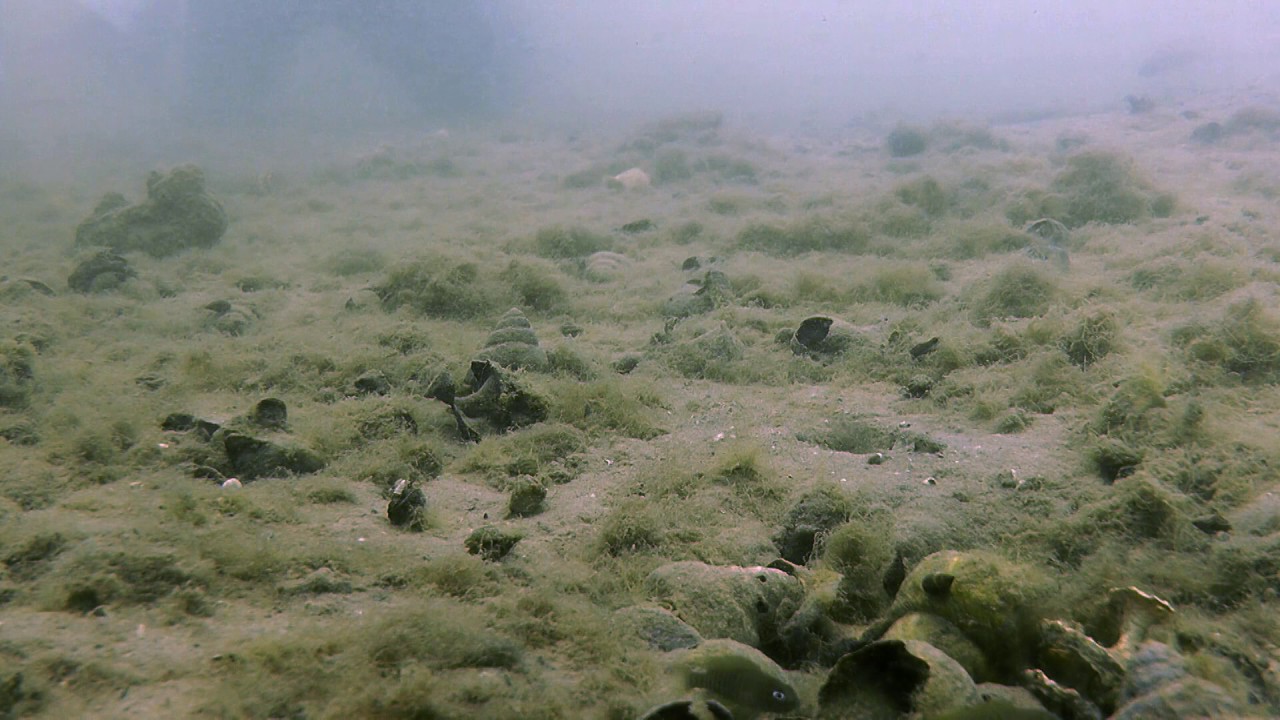
Ndole Bay lies along the Zambian shoreline, an area known for its relatively clear waters and steep escarpments that extend below the lake surface. This results in a submerged landscape where the lake bottom descends sharply, creating deep underwater slopes just a short distance from the shore.
The lakebed in this region is largely rocky, composed of boulders and coarse substrates rather than fine sediments, due to minimal river inflow and low sedimentation rates along the Zambian coast. These rocky formations extend underwater, forming crevices and ledges that provide shelter for a wide range of endemic fish species, particularly cichlids. The water clarity in the southern basin, especially around Ndole Bay, allows sunlight to penetrate deeply, supporting the growth of periphytic algae on submerged rocks and sustaining a productive littoral ecosystem. Overall, the underwater environment at Ndole Bay reflects a rugged, stable, and ecologically rich terrain shaped by geological uplift and limited human impact.
Fish list:
- Neolamprologus multifasciatus (Cichlidae)
- Altolamprologus compressiceps (Cichlidae)
- Neolamprologus ocellatus (Cichlidae)
- Telmatochromis temporalis (Cichlidae)
- Neolamprologus cunningtoni (Cichlidae)
- Threats to ecology
The ecology of Ndole Bay, like other parts of Lake Tanganyika, is increasingly threatened by a combination of natural pressures and human activities. One major concern is increased sedimentation resulting from deforestation and land-use changes in the catchment area. Though the Zambian side is less populated, upland agriculture, burning, and clearing of woodland contribute to soil erosion, which washes into the lake, disturbing the clarity of water and smothering the rocky habitats vital for cichlid breeding.
Another threat comes from overfishing, especially nearshore, where local fish populations are more accessible. Although Ndole Bay may be less impacted than northern regions, the spread of unsustainable fishing methods, including fine-mesh nets, affects fish diversity and abundance. The warming of lake surface waters, a result of climate change, is also a significant ecological threat. It reduces vertical mixing, leading to lower oxygen levels in deeper waters and limiting nutrient circulation, which can alter fish distribution and productivity.
Pollution, while less severe in the remote Zambian section, is an emerging concern with the growth of tourism and local settlements. Wastewater and plastic waste can degrade water quality and harm aquatic life. Combined, these factors pose a growing risk to the ecological balance of Ndole Bay, mirroring the broader environmental challenges faced throughout Lake Tanganyika.
Riparian zone
- Trees near the aquatic habitat
-
None -
Comment by the expert
Ad Konings: No rocky cliffs in Ndole Bay. No rocks in Ndole Bay or in any shell bed habitat. The 2 references have little to do with shell beds.
Anton Lamboj: I miss literature about species.