bam Beginner-friendly level

Sandy Ndole Bay, Lake Tanganyika, Zambia

Sponsored by

Zambia, Ndole

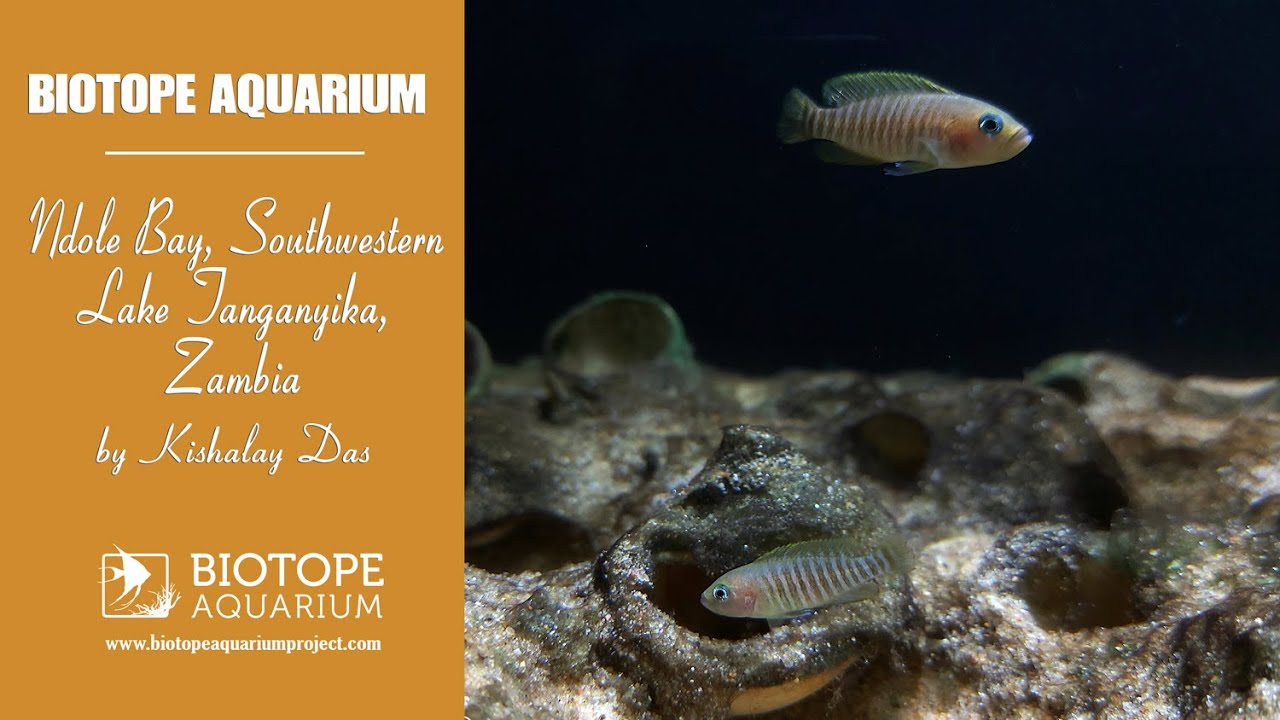
This 60L aquarium is designed to replicate the sandy, sediment-rich bottom of Ndole Bay, Lake Tanganyika. It houses only Neolamprologus multifasciatus. The fish colony is found near clusters of shells, which serve both as protection from other species and as breeding sites.

Algae grow on the substrate and shells, providing a rich source of microorganisms that the fish feed on.

In this aquarium, I can observe their natural behavior and interaction with the environment, including feeding and reproduction, just as they would in the wild.

Submitted by
Kishalay Das
Approved by
Ad Konings & Anton Lamboj
GPS
-8.4818954, 30.4563580
Geographical region
Eastern Africa
Drainage Basin
Lake Tanganyikan basin
River catchment
Kalambo River
Water body type
Lake
Water body name
Lake Tanganyika
Water body part
Open water
Water body course
Water body: tributary of
Tributary name

Videos above and below water

Warning: Undefined variable $fish_parent in /home/biotopea/public_html/wp-content/themes/bap/content-bam.php on line 85

Warning: Undefined array key "additional_species" in /home/biotopea/public_html/wp-content/themes/bap/functions/bap-fields.php on line 349

Water Chemistry

Water information

Water type
fresh-water
Water color
Clear water
Water transparency
Medium
Concentration of sediments
High
Water temperature
26-28°C °C
Water flow/curent
Slow

Chemical parameters

pH
8.6
Conductivity
13
GH
16 mg/l
dGH
KH
6 mg/l
dKH
Dissolved Oxygen

Aquarium information

Aquarium description

Set-up date
May, 2024
Aquarium decoration

For the decoration of this aquarium, I used river basin sand and shark eye shells (as Neothauma shells are now prohibited from collection). A black background is used in the tank, and lighting is provided for 6–8 hours daily to encourage algae growth on the shells and substrate.

Aquarium equipment

For filtration, I have used a dual-wall sponge filter (Xinyou XY-2822) and a small power filter (Sunsun HJ-311B).

For lighting, I have used two units of AST X5, each 10 watts.


Fish care

To keep the fish healthy, I feed them once daily with high-quality food. Their diet mainly consists of Hikari Vibra Bites and WA Dwarf Nutrition, with occasional servings of live Grindal worms.

The biotope has been carefully created to mimic their natural habitat. The fish have plenty of shells to choose from, providing shelter and breeding spaces. Algae growing on the shells acts as a natural barrier and also serves as a source of microorganisms for the fish to feed on.

A 30–40% water change is performed monthly to maintain stable water parameters, along with regular top-ups to compensate for evaporation.

Fish list:

  • Neolamprologus multifasciatus (Cichlidae)
Plant care
Water care

Maintenance of this tank is very simple. I perform 30–40% water changes each month, and aside from occasionally cleaning algae from the front glass, no additional maintenance is required.

Dimensions

Length
60 cm
Depth
30 cm
High
30 cm
Volume
60 L

Substrate in aquarium

Sand
Grey
Pebble/Gravel
None
Stone
None
Stone form
Silt/Mud
Grey
Leaves
None
Driftwood
None
Submerged terrestrial vegetation
None