bin
Sebuku River drainage, East Kalimantan, Borneo, Indonesia
Indonesia, Borneo, East Kalimantan
The Sebuku River originates on the southern slopes of the Sabah Highlands on Borneo and flows through East Kalimantan before emptying into the Celebes Sea. The river is approximately 115 km long, and its drainage basin covers an estimated area of around 18,000 km².
Much of the catchment remains covered by tropical rainforest, with numerous smaller tributaries and forest streams flowing beneath a dense canopy. As a result, very little sunlight reaches the water, creating dimly lit habitats where aquatic vegetation is sparse. The most common aquatic plants are species of Cryptocoryne and Microsorum.
During the dry season, many tributaries become only a few centimetres deep. Decaying organic matter releases large quantities of humic and tannic acids into the water, producing the characteristic dark amber to black coloration typical of these forest streams.
The surrounding rainforest supports exceptional biodiversity and provides habitat for many endangered species, including the orangutan, Bornean pygmy elephant, and Sunda clouded leopard.
- Submitted by
- Klementina Keresztes-André
- Approved by
- Heok Hee Ng & Greg Martin
- GPS
- 4.0463800, 117.4748230
- Geographical region
- Southeastern Asia
- Drainage Basin
- Sebuku River
- River catchment
- Water body type
- River
- Water body name
- Sebuku
- Water body part
- Water body course
- Water body: tributary of
- Tributary name
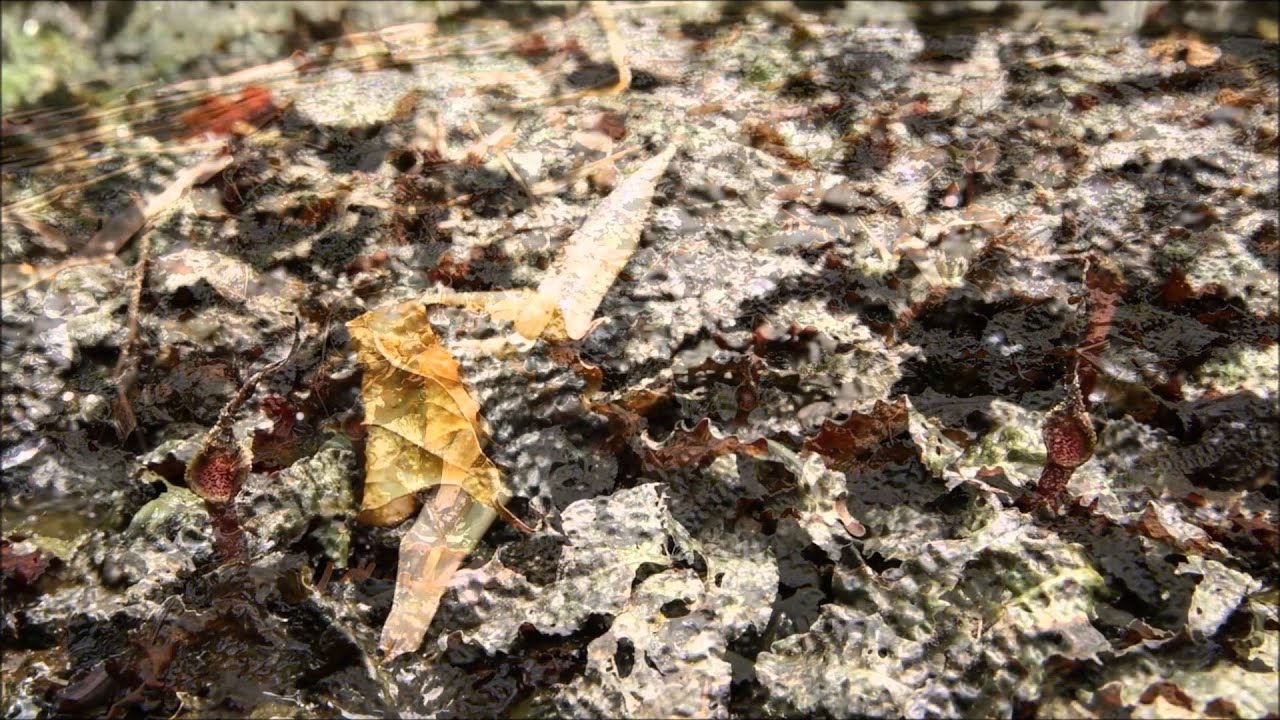
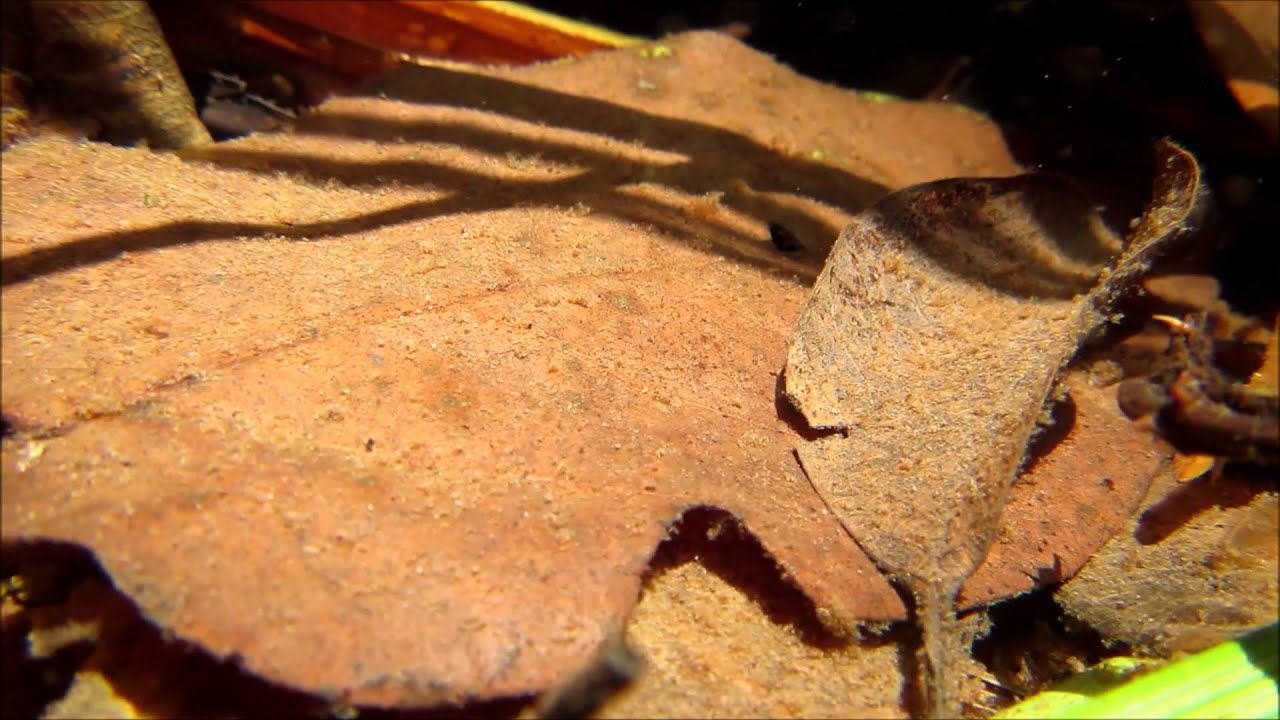
Videos above and below water
Warning: Undefined variable $fish_parent in /home/biotopea/public_html/wp-content/themes/bap/content-bin.php on line 55
Water Chemistry
Water information
- Water type
- Freshwater
- Water color
- Black water
- Water transparency
- Medium
- Concentration of sediments
- High
- Water temperature
- 23-28 °C
- Water flow/curent
- Slow
Chemical parameters
- pH
- 5.5
- Conductivity
- GH
- dGH
- KH
- dKH
- 0
- Dissolved Oxygen
- 50 %
Substrate in nature
- Sand
- Beige
- Pebble/Gravel
- Grey
- Stone
- Grey
- Stone form
- Silt/Mud
- Beige
- Leaves
- Adundant
- Driftwood
- Many
- Submerged terrestrial vegetation
Aquatic Biotope
- Date of collecting
- Collecting area
- Water depth
- Air temperature
- Sunlight
Environment
- Environment
- Affected by human activity
- Affected by human activity
- Deforestation
- Deforestation
- Advanced
- Surrounding area
The Sebuku River basin is located in East Kalimantan, Borneo, Indonesia. Borneo is one of the most biodiverse islands on Earth, with extensive areas covered by tropical rainforest that support a remarkable variety of plant and animal species.
The island is home to numerous endangered mammals, including the Bornean orangutan, Bornean pygmy elephant, Sunda clouded leopard, and proboscis monkey. The Sebuku River region also supports exceptional avian diversity, with more than 300 bird species recorded, including the endemic rhinoceros hornbill and Bornean bristlehead. The fish diversity of the basin is estimated at approximately 150-200 species, although the exact number remains uncertain as new species continue to be described.
Due to the dense rainforest canopy, sunlight only partially reaches the forest floor, creating shaded aquatic environments. The accumulation of fallen leaves, driftwood, and submerged roots contributes large amounts of humic and tannic acids to the water. As a result, these habitats are characterized by soft, acidic, reddish-brown to dark water with an average temperature ranging between 23-28 °C.
During the dry season, many smaller tributaries become extremely shallow, with water depths often reduced to only 5-20 cm. The extensive floodplain includes peat swamps and wetlands where water movement is minimal. In some areas, the landscape resembles a network of interconnected forest pools, with nearly stagnant blackwater conditions shaped by organic decomposition and dense rainforest cover.
- Underwater landscape
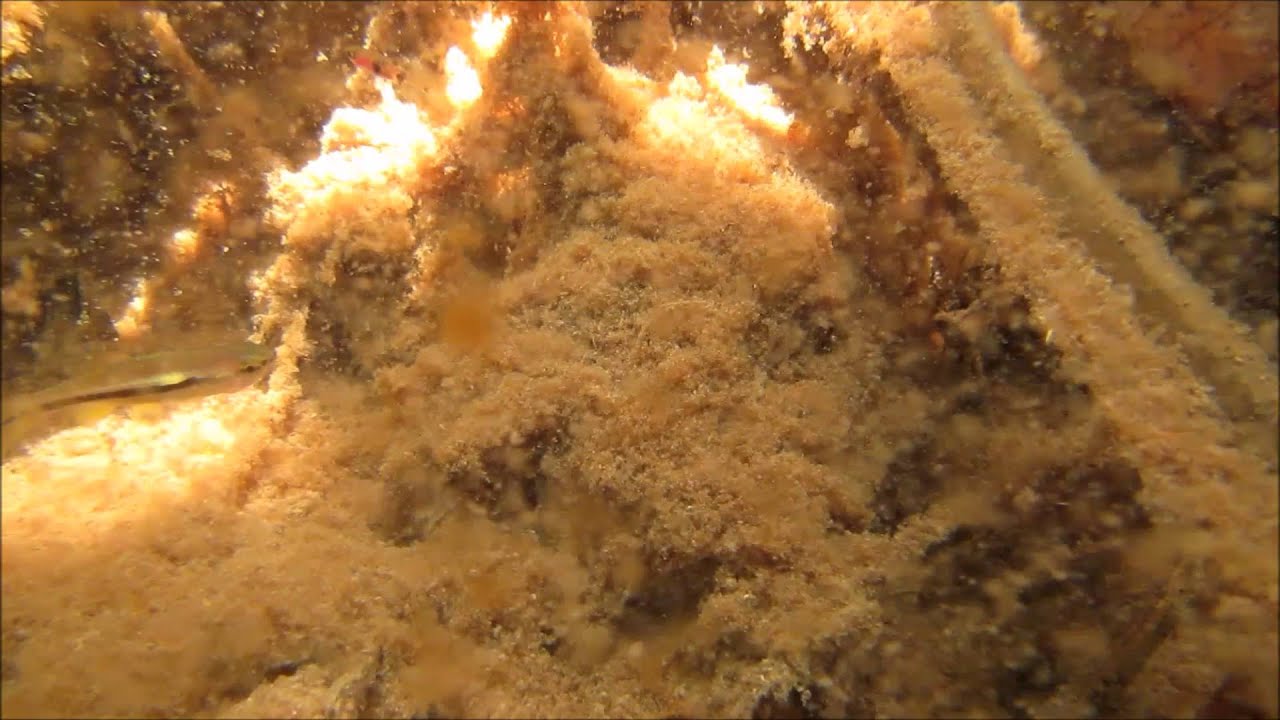
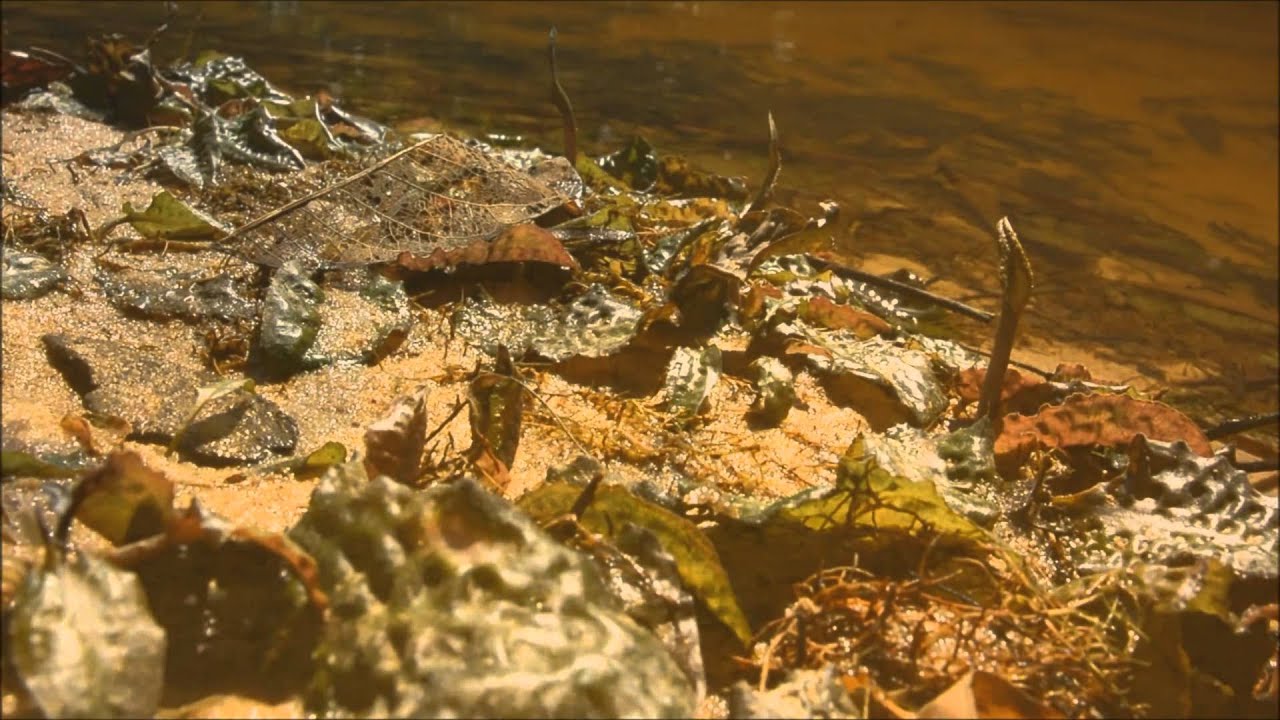
The aquatic habitats of the Sebuku River are primarily defined by accumulated plant debris and the extensive root systems of riparian vegetation. The substrate is generally covered with fallen leaves, submerged roots, and fallen trees, creating a complex network of shelters and microhabitats. In areas with stronger water movement, the substrate becomes more open and is typically composed of sand. Although the region is characterised by greyish volcanic rocks, these occur only in limited areas.
The submerged root systems of riparian plants provide the majority of hiding places for small fish and juveniles, while aquatic vegetation varies depending on local habitat conditions. Common aquatic plants include various species of Cryptocoryne and Microsorum, while more rocky sections may support Bucephalandra species.
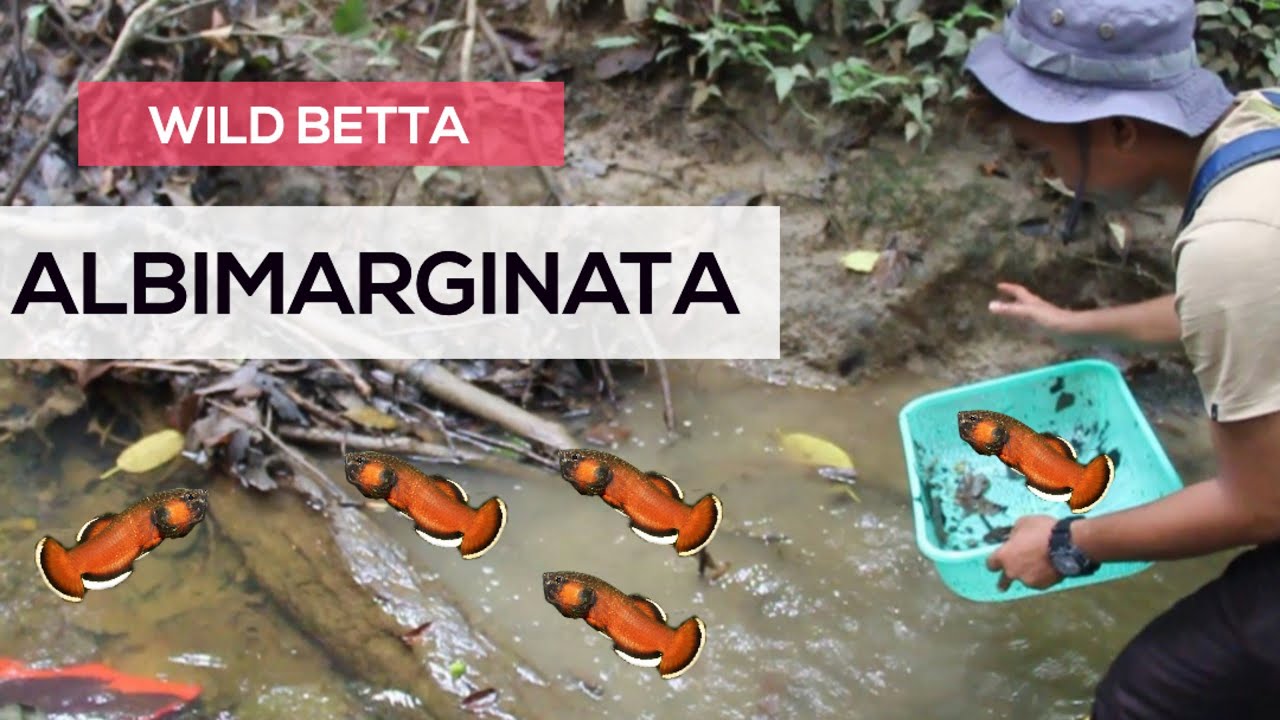
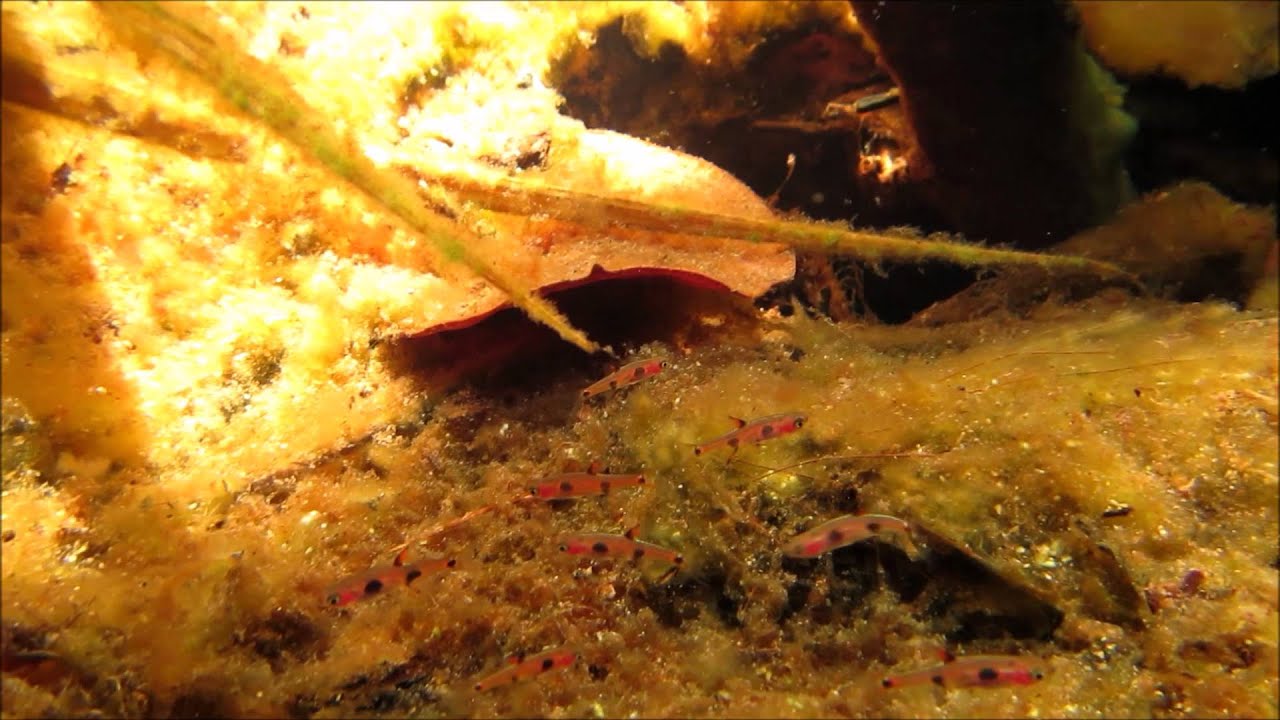
Typical fish communities of the slow-flowing swamp habitats include Betta albimarginata, Boraras brigittae, Sundadanio axelrodi, Boraras merah, Sphaerichthys osphromenoides, and Trigonostigma heteromorpha, all of which are adapted to the shaded, soft, acidic blackwater conditions of the Sebuku River system.
Fishes:
- Betta albimarginata (Osphronemidae)
- Epalzeorhynchos kalopterus (Cyprinidae)
- Rasbora kalochroma (Danionidae)
- Boraras brigittae (Danionidae)
- Sundadanio axelrodi (Sundadanionidae)
- Parosphromenus bintan (Osphronemidae)
- Boraras merah (Danionidae)
- Sphaerichthys osphromenoides (Osphronemidae)
- Rasbora einthovenii (Danionidae)
- Desmopuntius rhomboocellatus (Cyprinidae)
- Trigonostigma heteromorpha (Danionidae)
- Scleropages formosus (Osteoglossidae)
Aquatic plants:
- Threats to ecology
Borneo is a unique ecosystem that supports many species found nowhere else on Earth. In addition to the mammals and birds previously mentioned, the island is home to numerous endangered freshwater fish species adapted to highly specialized environments or restricted geographic ranges. These include Betta macrostoma, Betta albimarginata, Scleropages formosus, Encheloclarias kelioides, and Tor tambra, among others.
However, these species and their habitats face increasing threats. Extensive areas of rainforest continue to be lost due to deforestation, while peat swamp ecosystems are increasingly degraded through drainage and conversion. The expansion of oil palm plantations represents a major pressure on biodiversity, while coal and nickel mining contribute to increased sediment loads and disturbance within river systems and their surrounding catchments.
The Sebuku-Sembakung region is recognized as an internationally important area for biodiversity conservation. Proposals for the creation of a large-scale national park covering the entire watershed, from coastal areas to mountain forests and connecting existing protected areas, were already discussed in the late 1990s. The region remains recognized as a Key Biodiversity Area (KBA) of global importance.
Across Borneo, ongoing conservation initiatives aim to restore and protect natural habitats through reforestation, water retention projects, forest fire prevention, and the maintenance of ecological corridors that allow wildlife populations to persist.
Riparian zone
- Trees near the aquatic habitat
-
- Dipterocarpus caudiferus (Dipterocarpaceae)
- Trees near the aquatic habitat
-
- Dipterocarpus borneensis (Dipterocarpaceae)
- Trees near the aquatic habitat
-
- Dipterocarpus coriaceus (Dipterocarpaceae)
- Trees near the aquatic habitat
-
- Shorea faguetiana (Dipterocarpaceae)
- Trees near the aquatic habitat
-
- Syzygium leucoxylon (Myrtaceae)
- Trees near the aquatic habitat
-
- Syzygium oligomyrum (Myrtaceae)
- Trees near the aquatic habitat
-
- Syzygium racemosum (Myrtaceae)
Comment by the expert
Heok Hee Ng: Description of fish fauna not quite accurate. A number of fish species (e.g., Sundadanio axelrodi, Desmopuntius rhomboocellatus, and Parosphromenus bintan) are not known from the Sebuku drainage. The water in such systems is also not heavily stained with tannins and is more of a clear water rather than a blackwater habitat.
Greg Martin: Well researched.