bin
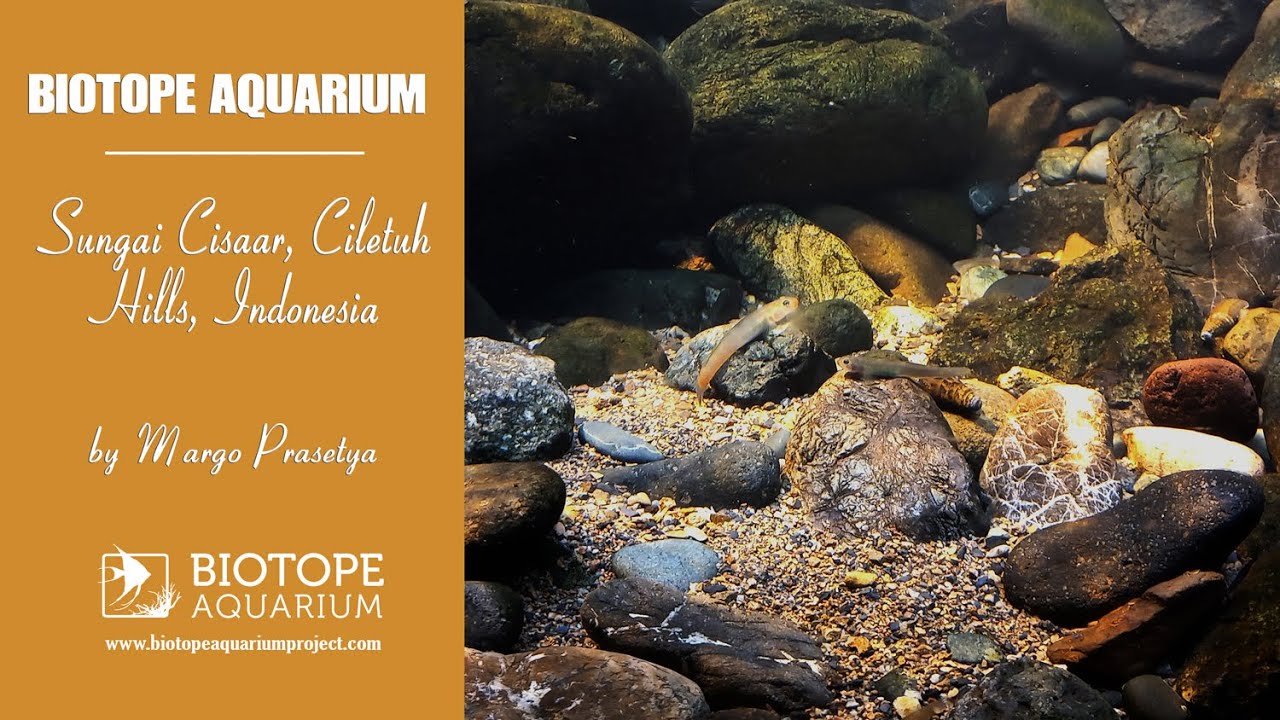
Sungai Cisaar, Ciletuh Hills, Indonesia
Indonesia, East Java, Mekarjaya, Sukabumi Regency
The biotope in the Ciletuh Geopark area, located in the southern part of Sukabumi, is very different from the typical biotopes in other parts of Java. Geomorphologically, the landscape of Ciletuh and its surroundings is part of the Southern Mountains of Java, forming a giant horseshoe-shaped amphitheater consisting of undulating mountains with highly varied elevations, with the highest peak reaching 360 meters above sea level (MASL).
Along the fault line, there are eight main waterfalls, one of which is Curug Larangan, located along the Cisaar River. The geological history and geographical features of this area have led to habitat isolation, particularly in the rivers near the waterfalls, which are isolated habitats and home to a type of goby fish (Sicydiinae) that is better adapted to living in the strong currents of rocky rivers.
- Submitted by
- Margo Prasetya
- Approved by
- Heiko Blessin, Heok Hee Ng & Greg Martin
- GPS
- -7.1877022, 106.5014343
- Geographical region
- Southeastern Asia
- Drainage Basin
- Sungai Muara
- River catchment
- Water body type
- Stream
- Water body name
- Sungai Cisaar
- Water body part
- Water body course
- Lower course
- Water body: tributary of
- River
- Tributary name
- Sungai Muara
Videos above and below water
Warning: Undefined variable $fish_parent in /home/biotopea/public_html/wp-content/themes/bap/content-bin.php on line 55
Water Chemistry
Water information
- Water type
- fresh-water
- Water color
- Clear water
- Water transparency
- High
- Concentration of sediments
- Low
- Water temperature
- 27 °C
- Water flow/curent
- Strong
Chemical parameters
- pH
- Conductivity
- GH
- dGH
- KH
- dKH
- Dissolved Oxygen
Substrate in nature
- Sand
- Grey
- Pebble/Gravel
- Mixed
- Stone
- Mixed
- Stone form
- Roundish
- Silt/Mud
- Reddish
- Leaves
- Few
- Driftwood
- Few
- Submerged terrestrial vegetation
Aquatic Biotope
- Date of collecting
- Collecting area
- Water depth
- Air temperature
- Sunlight
Environment
- Environment
- Affected by human activity
- Affected by human activity
- Surrounding area
- Underwater landscape
In general, the gobies living in this area belong to the waterfall-climbing goby species, specifically the Sicyopus and Lentipes genus.
Fishlist:
- Lentipes ikeae (Gobiidae)
- Sicyopus rubicundus (Gobiidae)
- Sicyopus zosterophorum (Gobiidae)
Crustaceans:
- Caridina serratirostris (Atyidae)
Molluscs :
- Thiara winteri (Thiaridae)
- Melanoides punctata (Thiaridae)
- Ferrissia javana (Planorbidae)
- Threats to ecology
As the name “Curug Larangan” suggests, this area is traditionally a forbidden zone according to local wisdom, but in recent years, it has become a tourist attraction.
Bibliography
-
Jurnal Manajemen Resort dan Leisure, Vol. 13 No.1, 55-60. - Pengembangan Geopark Ciletuh Berbasis Partisipasi Masyarakat Sebagai Kawasan Geowisata di Kabupaten Sukabumi.
by Dasiharjo, SU., Saputra IM. 2016
-
air tawar. Vol I. - Distribusi Umum dan Penyebaran Hewan Air Tawar.
by AULA-Verlag, Wiesbaden
-
Société française d'ichtyologie, Paris - Ikan Gobi Sicydiine Indo-Pasifik: Keanekaragaman Hayati, Sifat Kehidupan, dan Konservasi.
by Keith, P., Lord, C., Maeda, K., 2015b
-
Texas A&M University-Corpus Christi, Texas. - Memahami Keanekaragaman Spesies Amphidromus Indopacific Goby Genus Stiphodon.
by Lor, Yer.2016.
-
Maret Biol. Prog. Ser. 455, 269–285. - Dari endemisme hingga distribusi luas: filogeni tiga spesies Sicyopterus amphidromous ( Teleostei: Gobioidei: Sicydiinae).
by Lord, C., Lorion, J., Dettai, A., Watanabe, S., Tsukamoto, K., Cruaud, C., Keith, P., 2012.
-
Berita Biologi 5 (6), 667 – 678 - Fauna ikan di Taman Nasional Gunung Halimun dan sekitarnya.
by Rachmatika I, DS Sjafei and W Nurchayadi. 2001.
-
Systematic Studies on the Non Marine Mollusca of the Indo Australian Archipelago: Critical Revision of the Javanese Freshwater Gastropods, 1956
by W.S.S van Benthem Jutting,
Comment by the expert
Heiko Blessin:
Heok Hee Ng: The description of the habitat is reasonably accurate, but water parameters are lacking. Streams in this area are also likely to have other fish species (e.g. Rasbora spp.).
Greg Martin: Excellent work. I would have liked a few water chemistry measurements from the wild location.