bin
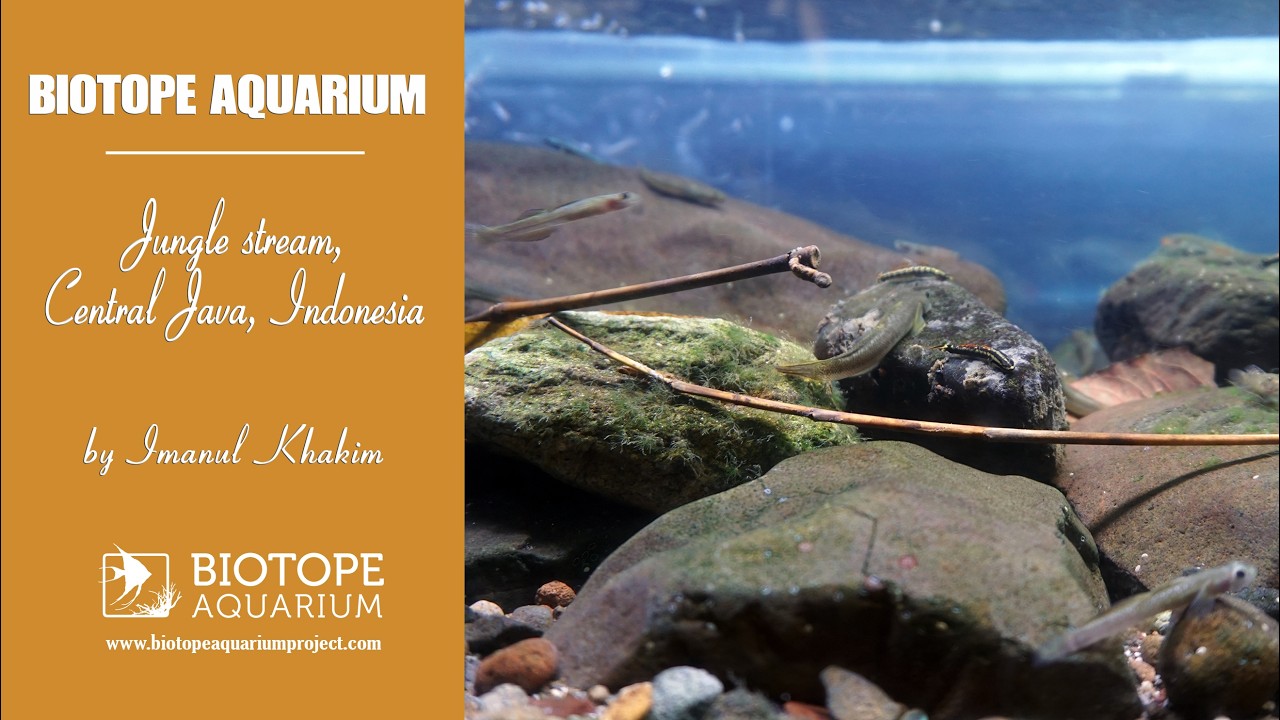
Sungai Kaligesing, Bogowonto River, Central Java, Indonesia
Indonesia, Central Java, Purworejo
Sungai Kaligesing is a tributary of the Bogowonto River, originating in the Menoreh Mountains, Purworejo, Central Java, Indonesia. Its clear, clean water provides an ideal habitat for gobies, which migrate upstream from the coast during the breeding season in search of freshwater springs. The distance from the river mouth to its headwaters is approximately 45km.
The riverbanks are lined with dense native vegetation, which helps protect the numerous springs that feed the river and maintain its excellent water quality.
The surrounding area is home to a variety of wildlife, including cobras and pythons. In the past, the region was also inhabited by the Javan leopard and Javan deer, but their populations have disappeared locally as a result of habitat loss and human exploitation.
- Submitted by
- Imanul Khakim
- Approved by
- Heok Hee Ng & Greg Martin
- GPS
- -7.7362852, 110.0875244
- Geographical region
- Southeastern Asia
- Drainage Basin
- Indian Ocean
- River catchment
- Bogowonto River
- Water body type
- Stream
- Water body name
- Sungai Kaligesing
- Water body part
- Flood plain
- Water body course
- Upper course
- Water body: tributary of
- River
- Tributary name
- Bogowonto
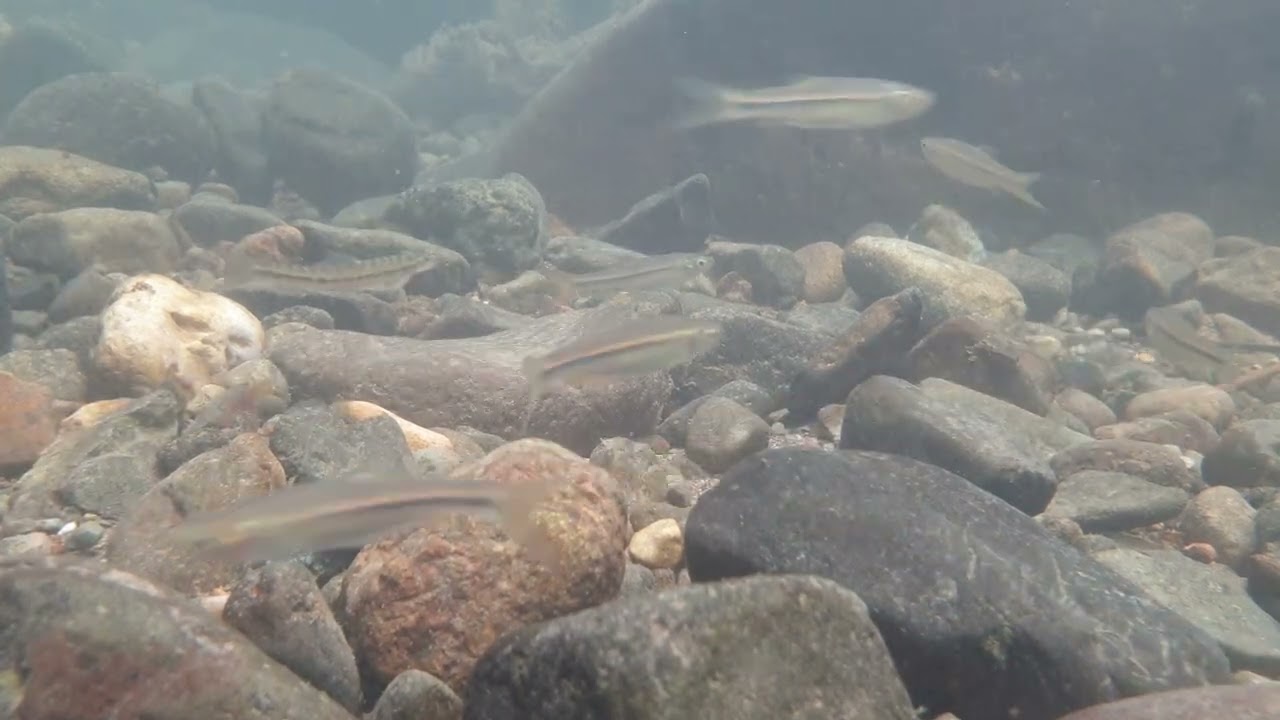
Videos above and below water
Warning: Undefined variable $fish_parent in /home/biotopea/public_html/wp-content/themes/bap/content-bin.php on line 55
Water Chemistry
Water information
- Water type
- Freshwater
- Water color
- Clear water
- Water transparency
- High
- Concentration of sediments
- Low
- Water temperature
- 23-27 °C
- Water flow/curent
- Strong
Chemical parameters
- pH
- 7.2
- Conductivity
- GH
- 125 mg/l
- dGH
- KH
- 120 mg/l
- dKH
- Dissolved Oxygen
Substrate in nature
- Sand
- Beige
- Pebble/Gravel
- Mixed
- Stone
- Mixed
- Stone form
- Irregular
- Silt/Mud
- Brown
- Leaves
- Many
- Driftwood
- Few
- Submerged terrestrial vegetation
- Yes
Aquatic Biotope
- Date of collecting
- 31/05/2026
- Collecting area
- River bank
- Water depth
- 0,5m
- Air temperature
- 27 °C
- Sunlight
- Full sun
Environment
- Environment
- Human settlements
- Human settlements
- Dispersed
- Surrounding area
The Menoreh Mountains form a mountain range stretching across western Kulon Progo Regency in the Special Region of Yogyakarta, eastern Purworejo Regency, and part of Magelang Regency in Central Java, Indonesia. This range serves as a natural boundary between the three regencies and also between the provinces of the Special Region of Yogyakarta and Central Java. Its highest peak is Mount Ayamayam, which rises to more than 1.021 metres above sea level.
Along the river, dense riparian vegetation lines the banks, providing shade and habitat for aquatic life. Small villages are located nearby, and local communities depend on the river for agriculture, livestock farming, and other daily needs.
- Underwater landscape
The river is characterized by abundant riparian vegetation. Most of the vegetation consists of grasses and reeds, with scattered trees growing along the banks. Exposed roots and overhanging grasses are distinctive features of this habitat, providing shelter for many aquatic organisms.
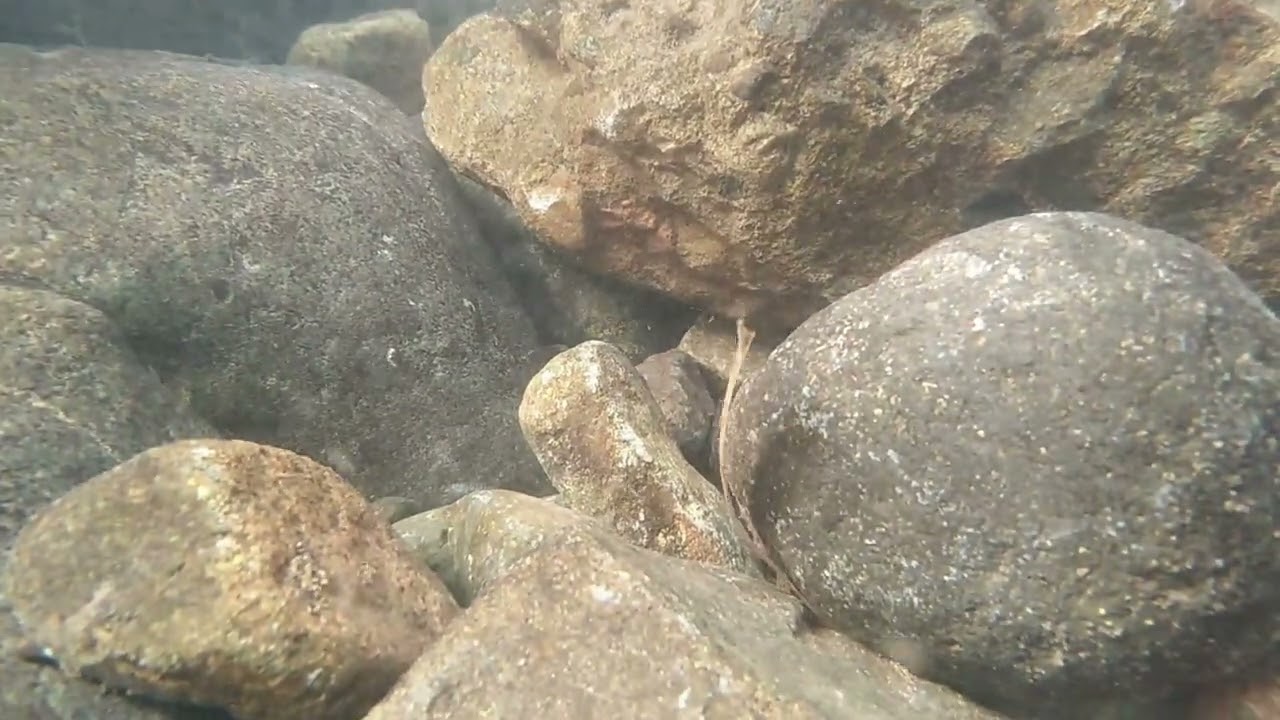
The riverbed is composed of rocks often covered with algae, patches of sand, and submerged pieces of wood. The water is clear and slightly shaded, creating ideal conditions for a diverse fish community.
Fish recorded from this habitat include:
- Barbodes binotatus (Cyprinidae)
- Lentipes ikeae (Oxudercidae)
- Lentipes whittenorum (Oxudercidae)
- Nemacheilus fasciatus (Nemacheilidae)
- Pseudogobius oligactis (Oxudercidae)
- Rasbora argyrotaenia (Danionidae)
- Rasbora lateristriata (Danionidae)
- Sicyopus cebuensis (Oxudercidae)
- Sicyopus rubicundus (Oxudercidae)
- Sicyopus zosterophorus (Oxudercidae)
- Sicyopterus hageni (Oxudercidae)
- Sicyopterus lagocephalus (Oxudercidae)
- Sicyopterus longifilis (Oxudercidae)
- Sicyopterus microcephalus (Oxudercidae)
- Sicyopterus ocellaris (Oxudercidae)
- Stiphodon atropurpureus (Oxudercidae)
- Stiphodon aureofuscus (Oxudercidae)
- Stiphodon maculidorsalis (Oxudercidae)
- Stiphodon semoni (Oxudercidae)
- Threats to ecology
The main threats to this river ecosystem are pollution and destructive fishing practices. Household waste, particularly plastic litter and other rubbish, is frequently discarded into the river. During the dry season, when water levels decrease, pollutants become more concentrated, resulting in fish mortality and the degradation of aquatic habitats.
Another serious threat is illegal fishing using high-voltage electrofishing equipment. This indiscriminate method kills not only the target species but also juveniles and other aquatic organisms, causing significant damage to the river’s biodiversity.
Riparian zone
- Trees near the aquatic habitat
-
Many -