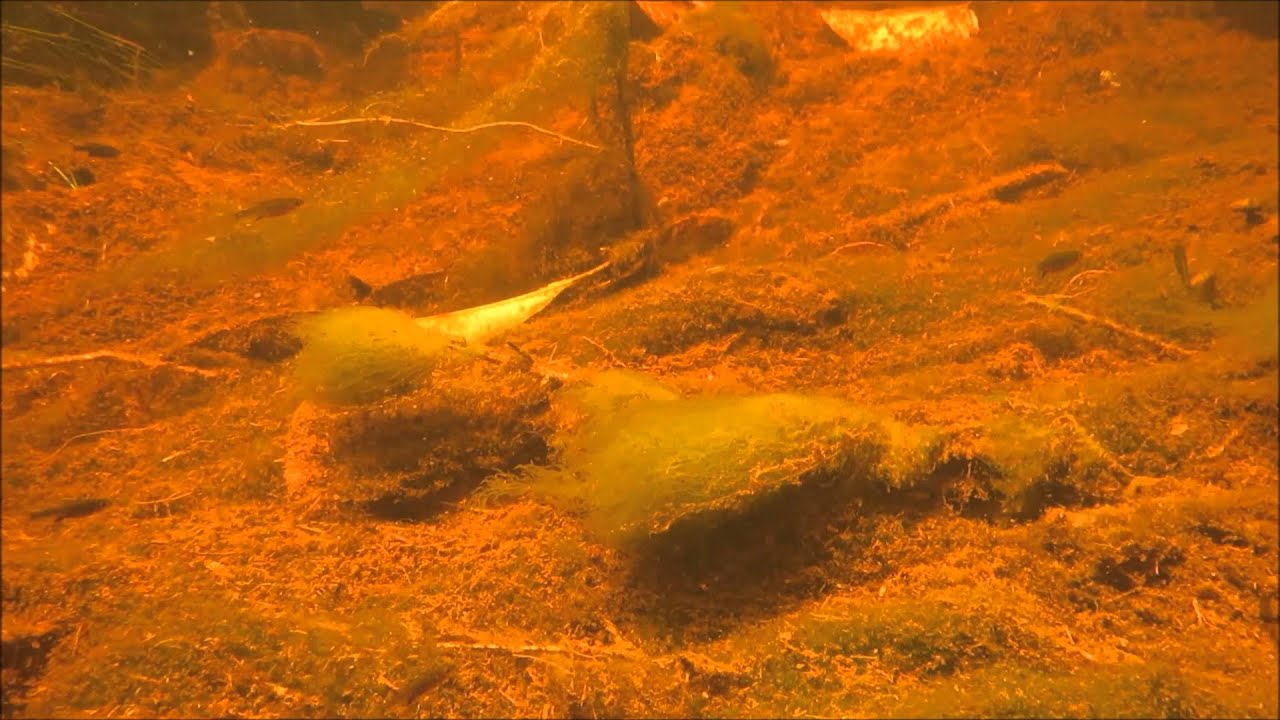
Borneo peat swamp forests are characterized by their nutrient-poor, waterlogged soils, composed of layers of decomposing plant material that have accumulated over thousands of years. The pH of these soils is typically between 3.0 and 5.5, which is significantly more acidic than most other soil types.
The low pH of peat swamp forest soils is due to the accumulation of organic acids produced by the breakdown of plant materials in the anaerobic conditions of the forest floor. These acids create a challenging environment for many plants and animals to survive in.
However, some species have evolved adaptations that allow them to thrive in these acidic conditions, such as specialized root systems and enzymes that can tolerate or even utilize the acidic environment. Peat swamp forests would be considered blackwater ecosystems for their low conductivity and pH.
Changes to the pH of peat swamp forest soils can significantly impact the health and diversity of the ecosystem. For example, drainage and deforestation can lead to increased soil pH, which can alter the composition of plant and animal communities. In addition, changes in pH can affect the availability of nutrients and other essential elements required for the growth and survival of plants and animals.
The Borneo peat swamp forests are home to a diverse range of aquatic life, including many fish species. These forests have unique soil and water chemistry – low in oxygen and high in acidity. The acidic conditions have a significant impact on the plants and animals that live in the forests. Despite these challenging conditions, many fish species have adapted to thrive in this environment, including a variety of wild bettas.
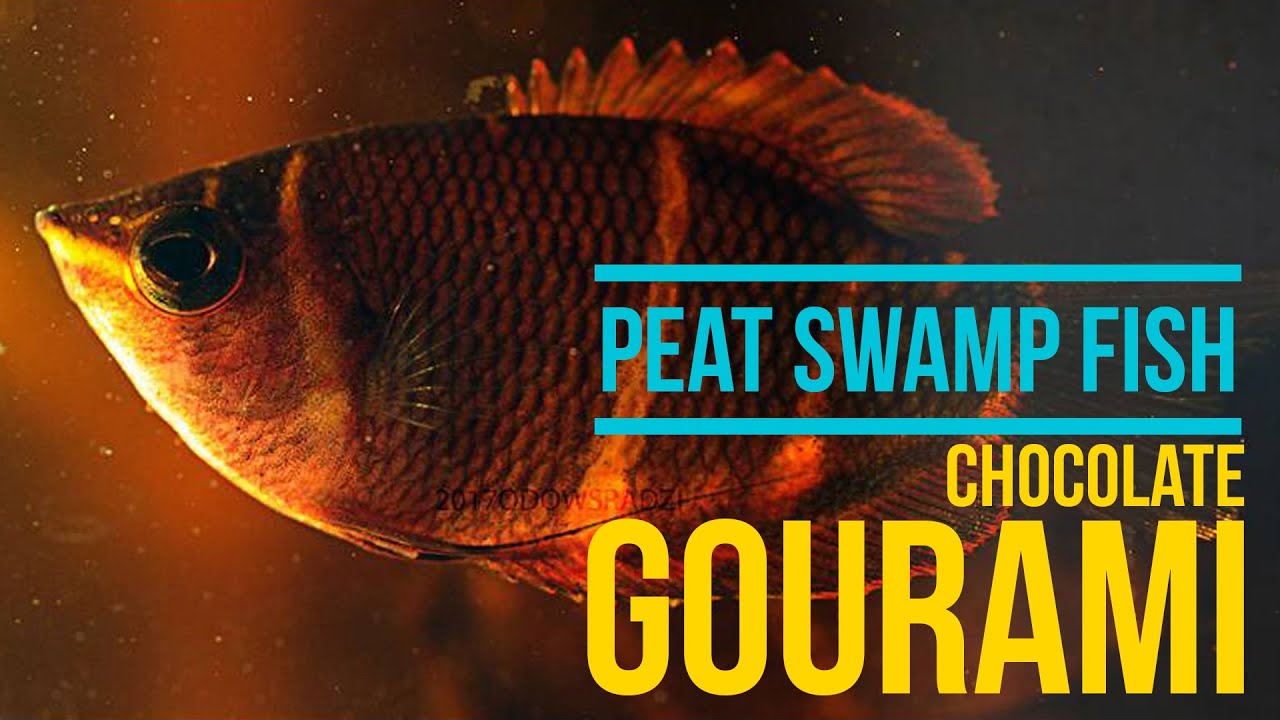
Fish are an important part of the Borneo peat swamp ecosystem, providing food sources for larger predators such as birds, reptiles, and mammals. Some fish species native to these forests include the Asian Arowana and a variety of gouramis (such as the chocolate gourami and the giant red tail gourami), rasboras (such as Rasbora sarawakensis), and catfish (such as the glass catfish and Borneo walking catfish). These species are well-adapted to low-oxygen levels and acidic water.
Other fish species in the peat swamp forests include the Climbing Perch, which are part of the Anabantidae family (along with bettas and gouramis). This hardy freshwater fish can survive in the low-oxygen conditions of the swamp by breathing oxygen from the surface.
The forests of Borneo supply local waterways with a variety of leaf litter. To recreate a peat swamp can be considered jackfruit leaves, guava leaves, jambolan leaves, Melastoma roots, cocoa pods, macaranga leaves, sappan wood pods, sterculia pods.
Despite their importance for biodiversity and carbon storage, these forests have been heavily impacted by human activities, leading to the loss of many species. Peat swamp forests and their fish populations are under threat from deforestation and drainage for agriculture, logging, and palm oil plantations.
These activities are causing the loss and degradation of forests, leading to habitat destruction and fragmentation. Conservation efforts are needed to protect the Borneo peat swamp forests and many activist groups are working towards sustainable solutions. This includes creating protected areas and sustainable management practices for the ecosystems which include the fish populations within them.