bin
Unnamed Igarapé, Río Tahuayo affluent, Loreto, Peru
Peru, Loreto, Maynas Province
The Amazonian igarapés of the Loreto region in Peru represent a highly specialized ecosystem. Flowing through dense rainforests, these slow-moving streams are intimately connected to the terrestrial environment, relying entirely on the surrounding canopy for their ecological inputs.
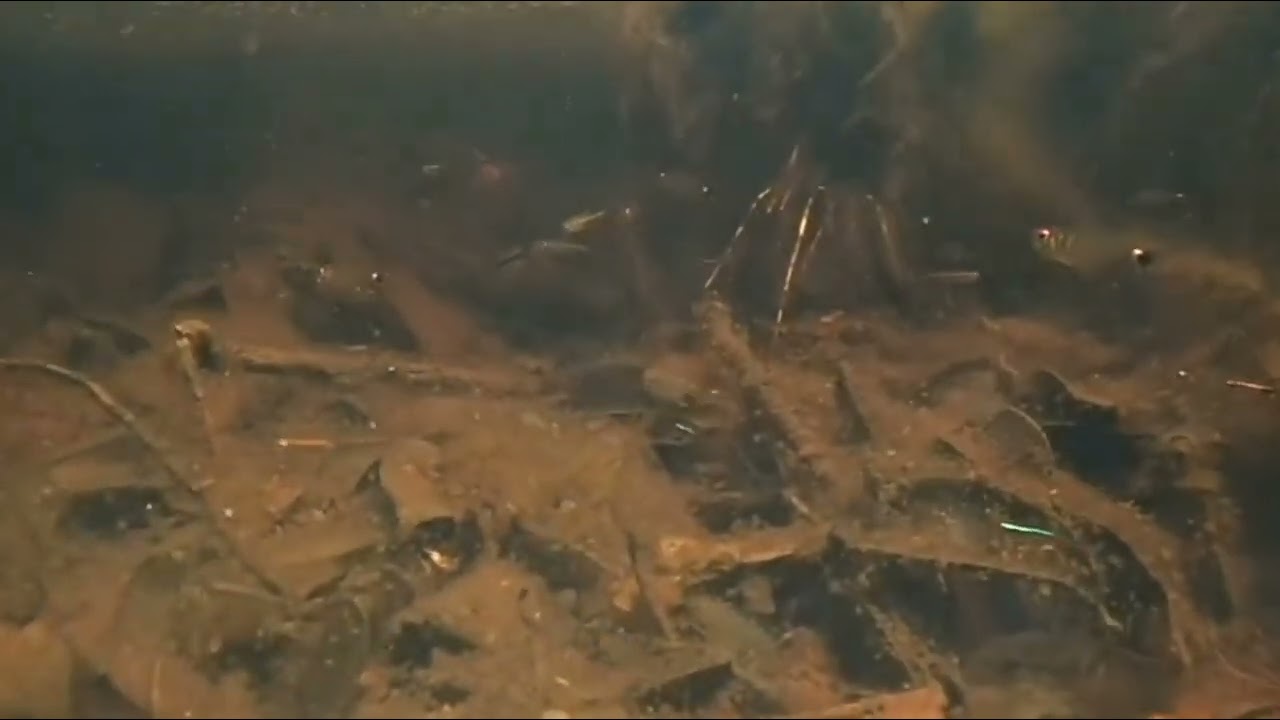
A defining characteristic of this biotope is the immense volume of submerged botanical matter. The water is heavily stained by humic acids released from decomposing leaf litter and fallen branches. This continuous decomposition over a fine silty substrate creates an acidic, soft blackwater environment with exceptionally low mineral content and limited light penetration.
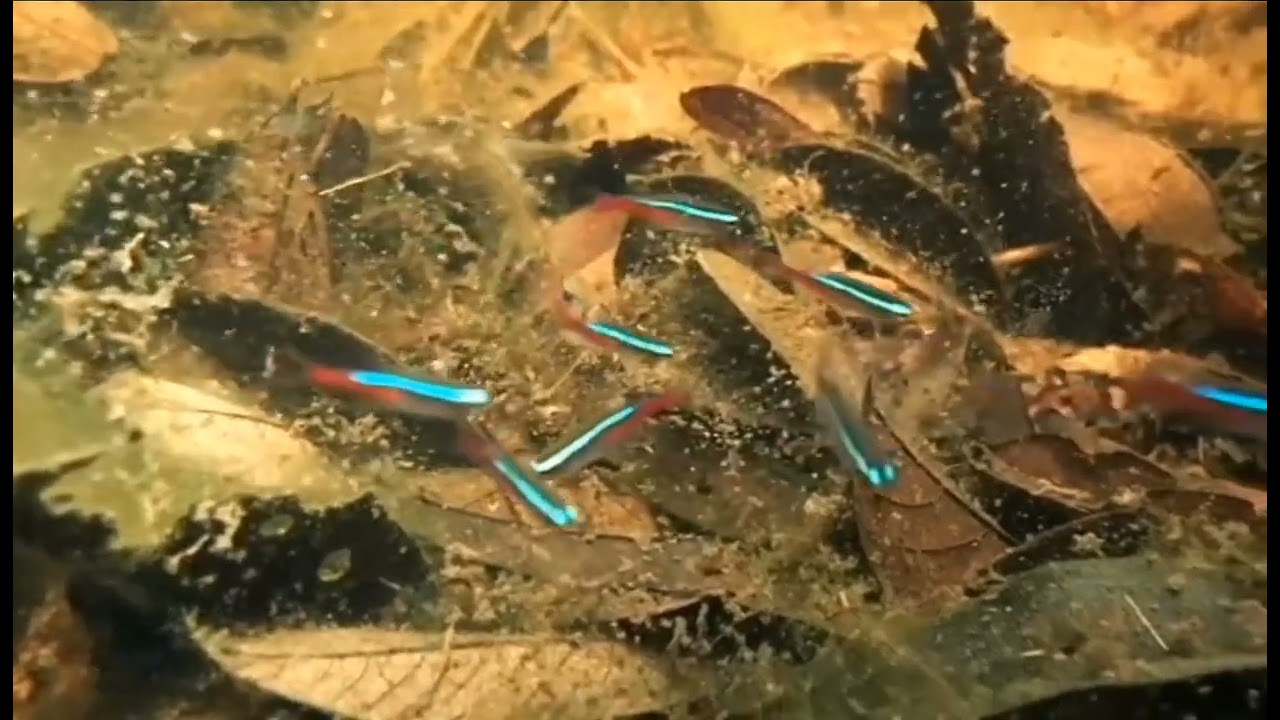
This habitat accurately represents the extreme conditions where Paracheirodon innesi (Neon Tetra) thrives. It highlights how these characins utilize the tangled matrix of submerged wood for shelter. The dim lighting also demonstrates the ecological function of their iridescent stripes, allowing them to navigate and shoal effectively in dark, low-visibility waters.
- Submitted by
- Fordin Laskar
- Approved by
- Roberto E. Reis, Pablo C. Lehmann & Antonio Machado-Allison
- GPS
- -4.3229170, -73.2399979
- Geographical region
- South America
- Drainage Basin
- Amazon Basin
- River catchment
- Río Tahuayo
- Water body type
- Igarapè
- Water body name
- Unknown
- Water body part
- Pool
- Water body course
- Middle course
- Water body: tributary of
- River
- Tributary name
- Río Tahuayo
Videos above and below water
Warning: Undefined variable $fish_parent in /home/biotopea/public_html/wp-content/themes/bap/content-bin.php on line 55
Water Chemistry
Water information
- Water type
- Freshwater
- Water color
- Black water
- Water transparency
- Medium
- Concentration of sediments
- High
- Water temperature
- 24-26 °C
- Water flow/curent
- Slow
Chemical parameters
- pH
- 5.9
- Conductivity
- GH
- dGH
- KH
- 35 mg/l
- dKH
- Dissolved Oxygen
- 55 %
Substrate in nature
- Sand
- None
- Pebble/Gravel
- Grey
- Stone
- None
- Stone form
- Silt/Mud
- Brown
- Leaves
- Adundant
- Driftwood
- Many
- Submerged terrestrial vegetation
- Yes
Aquatic Biotope
- Date of collecting
- March-May, 2022
- Collecting area
- Backwaters
- Water depth
- 0,5m
- Air temperature
- 29 °C
- Sunlight
- Filtered/dappled sun
Environment
- Environment
- Untouched
- Surrounding area
The surrounding area is a dense, lowland Neotropical rainforest characteristic of the Río Tahuayo basin in the Loreto region of Peru. The riparian zone is heavily vegetated with a thick canopy of broadleaf trees, palms, and understory shrubs that completely overhang the narrow water margins.
As seen in the habitat footage, the stream banks are lined with complex, tangled terrestrial root systems and dense patches of emergent marginal grasses and herbaceous plants growing directly at the water’s edge. This creates a seamless, heavily shaded transition between the dense jungle and the flooded aquatic environment.
Aquatic plants:
- Mauritia flexuosa (Arecaceae)
- Cecropia membranacea (Urticaceae)
- Underwater landscape
The underwater landscape of this shallow igarapé margin is defined by heavy organic accumulation and a complete absence of true aquatic plants and stones. The substrate consists entirely of fine, soft brown silt and mud. Resting on top of this muddy base is a thick, chaotic layer of decomposing terrestrial botanical matter, including countless submerged leaves, fallen twigs, and small driftwood branches.
The water is stained with tannins (blackwater) released from this decaying material, creating a tea-colored environment. Structural complexity and hiding spaces for Paracheirodon innesi shoals are provided exclusively by submerged tree roots and sunken wood. The lighting is naturally dim, consisting only of dappled sunlight filtering through the dense jungle canopy above.
- Threats to ecology
While this specific flooded forest margin remains a pristine habitat for Paracheirodon innesi, the fragile blackwater igarapés of the Loreto region face several ongoing ecological threats. The primary danger is localized deforestation for timber extraction and land clearing for agriculture.
Removing the overhanging canopy is highly destructive; it disrupts the crucial cycle of falling leaf litter, increases water temperatures by exposing shallow pools to direct sunlight, and alters the delicate acidic water chemistry these fish require for survival. Additionally, localized over-collection of wild ornamental species and shifting seasonal flood patterns pose continued risks to the stability of these marginal populations.
Riparian zone
- Trees near the aquatic habitat
-
Many -
Comment by the expert
Roberto E. Reis: Good description of location and aquatic habitat, but very limited list of fishes and other species. Weak bibliography.
Pablo C. Lehmann: The forest setting, riparian structure, blackwater character and ecological threats are described in useful detail. Paracheirodon innesi is a legitimate Loreto/upper-Amazon species, but the biodiversity section is too narrow for a high score and Mauritia flexuosa and Cecropia membranacea are terrestrial/riparian plants rather than true aquatic plants as labelled. Water/substrate/underwater information is generally useful, though conductivity and pH are absent and some mineral-chemistry statements need tighter support. The bibliography contains relevant taxonomic and aquarium literature, but not enough locality-specific ecological sources.
Antonio Machado-Allison: Good.