- Environment
- Human settlements
- Human settlements
- Compacted
- Surrounding area
The largest of the three large lakes in the African Rift Valley is Lake Tanganyika, with a surface area of 32.600km², a length of 673km, a width of 72 km, and a coastline of 1.828 km. With a depth of 1470m and an average depth of 570m, it is the second-largest freshwater lake in the world by volume and the second-deepest after lake Baikal in Siberia.
With a surface area of 231.000km², the lake is surrounded by four nations: Burundi in the northeast, Tanzania in the east, the Democratic Republic of the Congo in the west, and Zambia in the south. Lake Tanganyika has over one-sixth of the freshwater on the planet. The lake is a crucial supply of freshwater for the residents in the area.
The surrounding area of Ndole Bay is rich in wildlife, and visitors can enjoy nature walks and birdwatching. There are also opportunities for game drives and boat safaris to explore the nearby Nsumbu National Park, which is known for its diverse wildlife and scenic landscapes.
Accommodation options at Ndole Bay include lodges and campsites, providing visitors with a comfortable place to stay while enjoying the natural beauty of the area. The lodges often offer stunning views of the lake and have facilities such as restaurants, bars, and swimming pools.
In summary, Ndole Bay is a picturesque destination on the shores of Lake Tanganyika in Zambia, offering a range of activities and attractions for tourists, including water sports, fishing, wildlife viewing, and relaxing amidst beautiful natural surroundings.
- Underwater landscape
There are various ecosystems in Lake Tanganyika:
- Shallow coastlines that are both sediment-poor and sediment-rich, the sparsely vegetated bottom of the sand.
- Muddy bottoms near flowing rivers.
- Pelagic waters, which are open waters teeming with phytoplankton and zooplankton and home to sizable banks of fish other than cichlids.
- Benthic waters, a region where deep oxygen is being depleted.
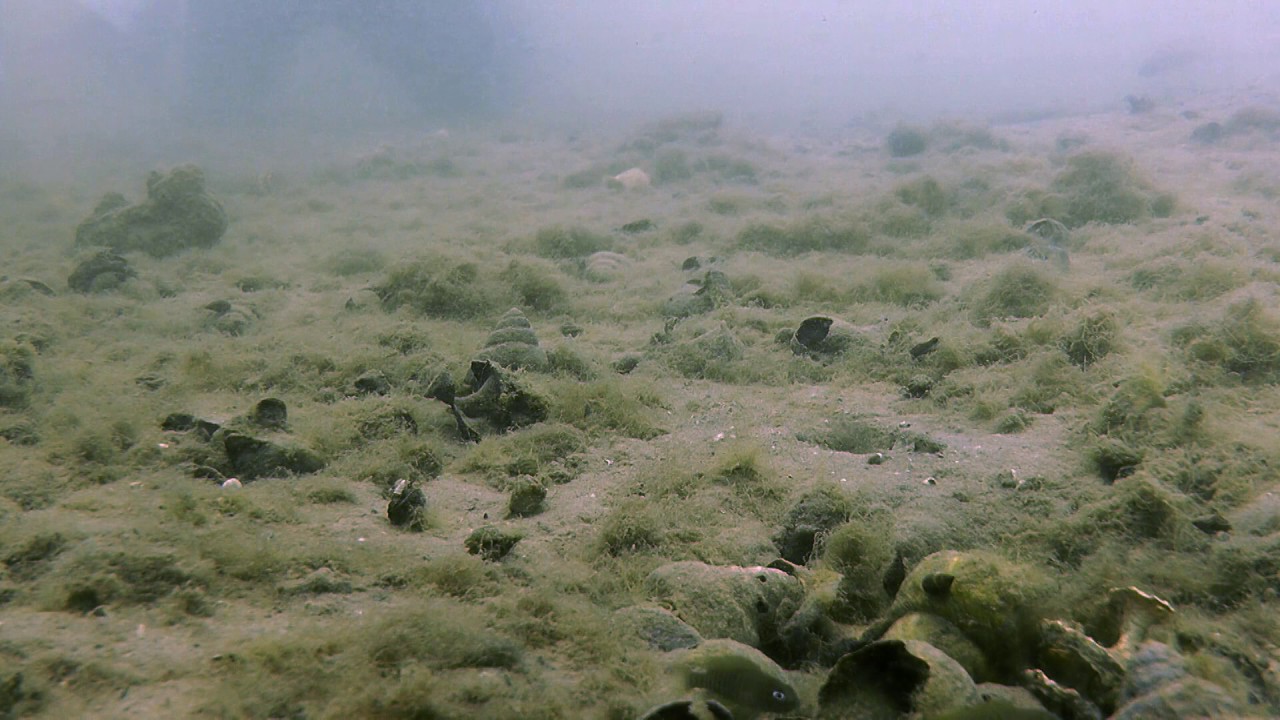
The environments of Ndole Bay fluctuate dramatically over distances of a few tens of metres, and many species have developed to adapt to them. This habitat is made of substantial rock and sand plates in front of the shore. These massive rock plates are followed by a vast sand plain. As the lake bottom gets deeper to the east, a dense expanse of sand and fine sediment with fields of Neothauma snail shells appears. Two separate habitats, each with its own collection of species, as well as a coastline lined with small rocks and a dense canefield, were built to the north of the beach.
There is a reed on the south shore as well, although it lacks rocks and has a substantial mud base. Only a few metres separate reef-like rock formations that run parallel to the beach from each other. The location is shallow and has good water circulation. Many fish live in rocky and sandy environments, where they may find shelter, food, and breeding grounds. In terms of territory, different species have varied needs.
Some species, like the Tropheus and Eretmodus, find protection and food among the rocks. Other species, like the Xenotilapia, need sand to make their nests. The area of fine sand and debris, which is 200m or so from the shore, is covered in a layer of empty Neothauma tanganyicense snail shells. In some areas, there are also large clusters of algae in the substrate that act as both a barrier for young fish or fry and a source of microorganisms for them to consume. This sandy sedimentary area is depicted in my aquarium in an effort to visually and practically replicate the environment for the cichlid species that call it home.
Fish list:
- Lamprologus multifasciatus (Cichlidae)
- Altolamprologus compressiceps (Cichlidae)
- Lamprologus ocellatus (Cichlidae)
- Neolamprologus cunningtoni (Cichlidae)
- Neolamprologus tetracanthus (Cichlidae)
- Telmatochromis temporalis (Cichlidae)
- Threats to ecology
While Ndole Bay in Zambia is a beautiful destination, there are several threats to its ecology that need to be addressed to ensure the long-term sustainability of the area. Some of the major threats include:
Overfishing: Lake Tanganyika is a vital source of livelihood for local communities, and overfishing can deplete fish populations and disrupt the ecological balance. Sustainable fishing practices and regulations are necessary to prevent overexploitation.
Habitat destruction: Deforestation, land conversion, and unsustainable agricultural practices can lead to habitat destruction around Ndole Bay. This loss of natural habitats can have negative effects on the local flora and fauna, including the disruption of ecosystems.
Pollution: Pollution from various sources, including agriculture, industry, and tourism, can degrade the water quality in Lake Tanganyika. Pollution can harm aquatic life, affect water-dependent ecosystems, and compromise the overall health of the lake.
Invasive species: Invasive species, both plant and animal, pose a threat to the native biodiversity of Ndole Bay. These species can outcompete and displace native species, disrupting the natural balance of the ecosystem.
Climate change: The effects of climate change, such as rising temperatures and altered precipitation patterns, can have significant impacts on the ecology of Ndole Bay. These changes can affect the lake’s water levels, water temperature, and overall biodiversity.
Addressing these threats requires collaborative efforts from various stakeholders, including local communities, government authorities, and conservation organizations. Implementing sustainable fishing practices, promoting responsible tourism, enforcing regulations to prevent pollution, and supporting initiatives to combat climate change are essential for the long-term preservation of Ndole Bay’s ecology.