The Brahmaputra River, one of the major rivers in Asia, flows through Tibet, India, and Bangladesh, covering a distance of about 2.900 kilometers. Originating from the Mansarovar Lake in the Himalayas, it traverses diverse landscapes, including high mountainous regions, fertile plains, and vast wetlands.
In the Indian state of Assam, the Brahmaputra dominates the landscape, shaping the lives of millions of people. Its floodplains, known as “Char” lands, are highly fertile and ideal for cultivation. Rice, tea, and other crops are grown in abundance, contributing to the region’s agricultural prosperity. However, the river’s unpredictable nature also poses challenges, as annual floods can cause significant damage to lives and property.
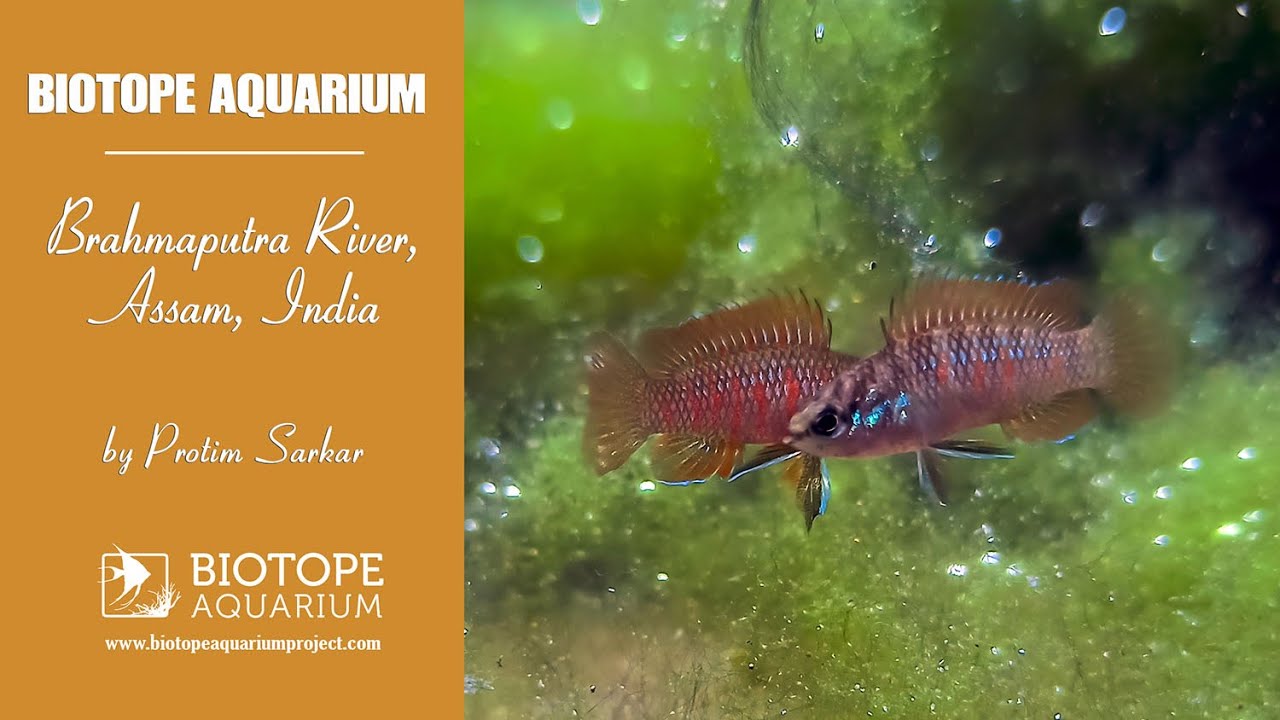
There are many types of waterbodies along Brahmaputra River. My favourites are the shallow rocky habitats, where we find Dario dario along the crevices of rocks and stones. Here in that part of the area we find the rocks which are covered by algaes.
- GPS
- 26.4926014, 92.5259857
- Geographical region
- Southern Asia
- Drainage Basin
- Brahmaputra River Basin
- River catchment
- Dhansiri
- Water body type
- River
- Water body name
- Shallow Rocky Habitat of Brahmaputra River
- Water body part
- River mouth
- Water body course
- Middle course
- Water body: tributary of
- River
- Tributary name
- Dhansiri Mukh
Videos above and below water