- Set-up date
- May 2020
- Aquarium decoration
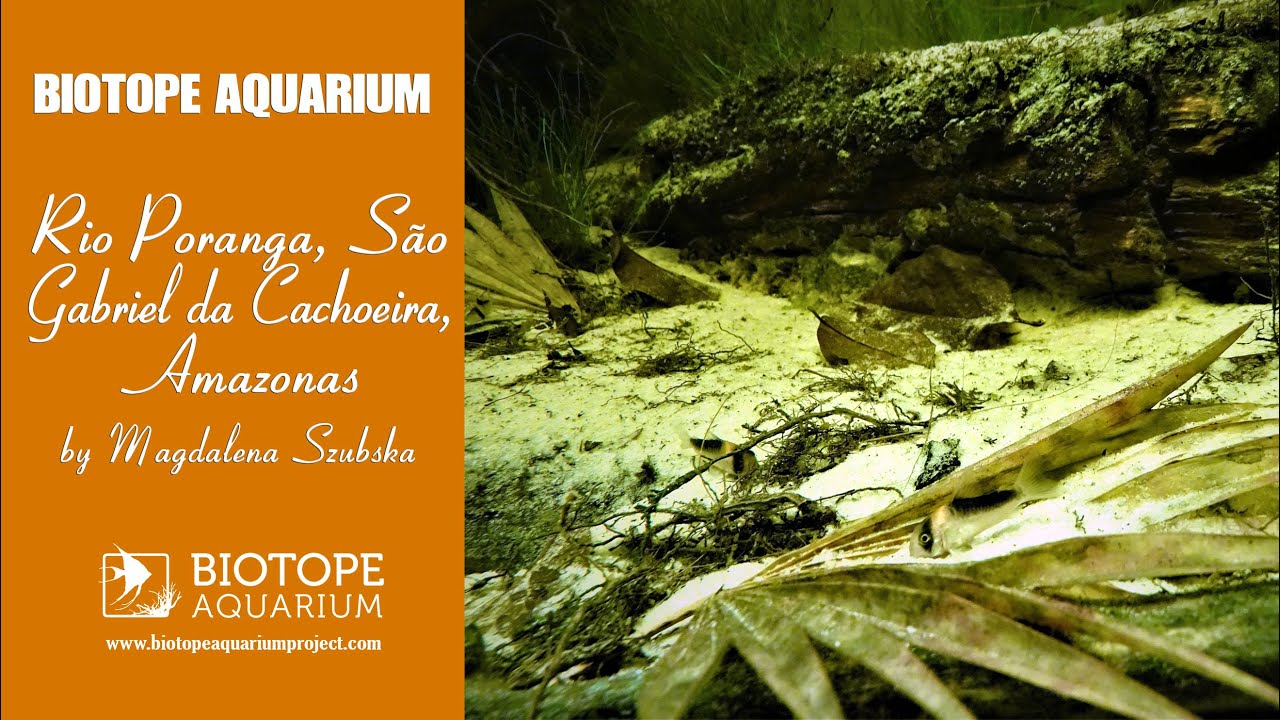
The found root branches and wood were used to build arrangements in the aquarium, which were specially arranged differently to create a gradual slope of the terrain. The substrate was sprinkled with river sand purchased in an aquarium store.
Larger and smaller (personally found) dark roots imitating the sunken roots of tropical trees and shrubs growing along the riverbank served as an additional decoration. The effect of a naturally silted bottom was created by applying a small amount of crushed roots and dried leaves, which were gently sprinkled on the surface after cooking, and then everything settled to the bottom, and over time the desired natural effect was obtained. All elements of the aquarium decor have been properly cleaned and heat treated to keep the fish safe.
The whole thing is to imitate the shoreline of a tropical river with tree roots and plants. A matte self-adhesive foil was used to make the background, and then a beige cardboard approximately 1 cm away in the color of a paper eco bag, which was additionally highlighted with RGB tape.
In the space between the back glass and the cardboard attached to the wall, the roots are placed at the top, and the dry grass at the bottom. This is to mimic the depth of the aquatic landscape. This technique has been called “Deep shadow”.
- Aquarium equipment
Filtration: JBL CristalProfi e1901 greenline – 1900l/h.
15l bucket divided into 5 baskets with media, one is a protective sponge, the other four are ceramics, which creates a complete biological division in the filter.
The primary lighting is Aquatlantis Easy LED Freshwater, 1047mm, 6800°K-52w Eady Led Control, which simulates the natural and gradual effects of sunrise and sunset. I also use an additional 4000K-10W LED lamp with warm light that mimics the sun’s rays. The blue background behind the aquarium is lit by a strip of white RGB LEDs.
Hardware descriptions: Filtration: JBL CristalProfi e1901 greenline – 1900l/h. 15l bucket divided into 5 baskets with media, one is a protective sponge, the other four are ceramics, which creates a full biological division in the filter. The primary lighting is Aquatlantis Easy LED Freshwater, 1047mm, 6800°K-52w Eady Led Control, which simulates the natural and gradual effects of sunrise and sunset. I also use an additional 4000K-10W LED lamp with warm light that mimics the sun’s rays. The beige background behind the aquarium is illuminated by a strip of several white RGB LEDs.
- Fish care
The fine-grained sandy substrate used is ideal for the species Corydoras duplicareus. Decorations with small and larger roots provide shelter for the fish.
All branches and dried leaves are useful additives that, in particular, result in the formation of microbial colonies during their decomposition. Such microorganisms can provide a valuable secondary food source for fry, while tannins and other chemicals released by decaying leaves are also believed to be beneficial and help simulate natural conditions.
The filtration is adapted to the fish, the water flows quite strongly but high just below the surface, moving the surface and oxygenating the water in the aquarium.
The fish boldly forage throughout the aquarium and clean up most of the pollutants. They get all kinds of food, from dried drowners with probiotics to small frozen varieties of larvae. A varied diet will keep your fish in optimal condition. The number of fish is optimally adapted to the place in the aquarium, there is also room for new ones for the fry.
- Plant care
Plants in the aquarium have selected water parameters and lighting similar to natural. Eleocharis acicularis grows profusely in the open here and is not shaded by decorations and other plants. The roots of this plant colonize well in the substrate, creating beautiful grassy clumps 6-15 cm high.
Echinodorus grisebachii also grows healthily, reaching a height of about 10 cm. Since setting up the aquarium, they have developed an extensive root system in the substrate. They easily reproduce vegetatively here, creating new plants on long shoots of inflorescences growing from the rosette.
- Water care
The water in the aquarium is replaced at 20% every 10 days. Bacteria are also added with each water change.